 0
0
 0
0
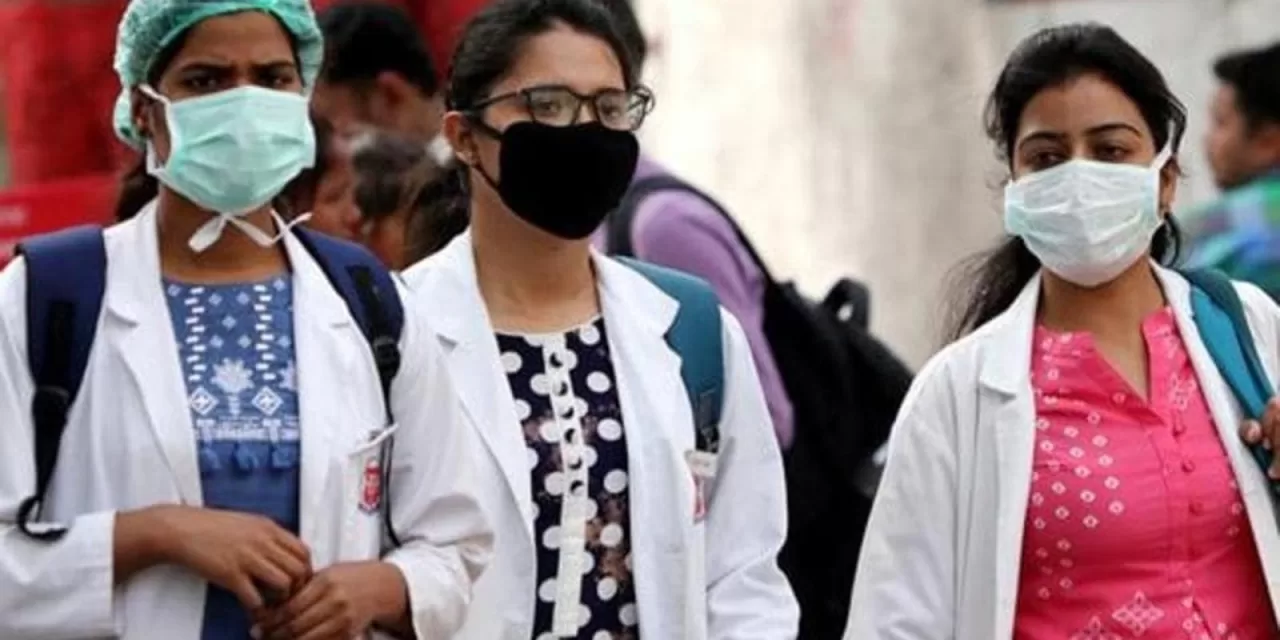
In a major bid to address India’s persistent shortage of specialist doctors and rebalance the distribution of medical talent, the Government of Maharashtra has formally applied to the National Medical Commission (NMC) for the approval of 1,489 new postgraduate (PG) medical seats across 34 government medical colleges. Reported in the state assembly during the July 2026 legislative session, the ambitious proposal seeks to substantially expand specialist training capacity in Doctor of Medicine (MD) and Master of Surgery (MS) programs for the upcoming 2026–27 academic cycle. By placing a heavy emphasis on institutions outside major urban hubs, the initiative aims to fortify the public healthcare workforce in traditionally underserved regions.
Expanding Beyond the Metros: What the State Has Requested
According to the assembly reply cited by state reporters, Maharashtra originally issued requirement certificates for 1,621 PG degree seats. Following internal evaluations of institutional readiness, the state ultimately submitted formal applications for 1,489 seats to the NMC via the deans of the respective colleges.
Significantly, the application covers institutions in regional areas such as Nagpur, Gondia, Chandrapur, and Gadchiroli. This deliberate inclusion reflects a policy shift aimed at strengthening advanced healthcare infrastructure beyond tier-1 cities like Mumbai and Pune. The submission was completed within the regulatory window established by the NMC for the 2026–27 academic year, which had its final application deadline extended to April 20. The NMC’s online portal confirms that these applications are currently moving through its formalized processing and evaluation system.
The Bottleneck in Indian Medical Education
This policy move directly targets a long-standing structural bottleneck in India’s medical education framework: the stark numerical mismatch between entry-level doctors and available specialist training slots.
Data presented to Parliament by the Ministry of Health and Family Welfare highlighted this disparity. As of March 2025, India possessed 118,190 undergraduate (MBBS) seats but only 74,306 postgraduate seats.
[National Medical Education Capacity Gap - March 2025]
Undergraduate (MBBS) Seats:  ==================================== 118,190
Postgraduate (PG) Seats:      ====================== 74,306
This structural gap means that each year, tens of thousands of MBBS graduates are unable to secure a position to specialize. PG training is the essential pathway where doctors transition into vital specialties, including:
-
Internal Medicine
-
Pediatrics
-
Obstetrics and Gynecology
-
Anesthesiology
-
General Surgery
-
Public Health
Without sufficient residency slots, district hospitals and rural health services face chronic difficulties recruiting the advanced clinicians required to manage complex medical cases, often forcing rural patients to travel long distances to major metropolitan centers for secondary and tertiary care.
Infrastructure vs. Intake: The Expert Perspective
While the proposed seat increase represents a substantial numerical gain, health policy analysts emphasize that expanding enrollment capacity is only the first step in a highly complex equation.
“Adding numbers on paper does not automatically translate to better healthcare,” notes Dr. K. Srinivasan, a Delhi-based medical education consultant and former institutional reviewer, who was not involved in the Maharashtra proposal. “The true value of any postgraduate medical seat rests entirely on the quality of clinical training. A residency program requires a high and diverse patient load, fully equipped diagnostic laboratories, functional operation theaters, and, most importantly, adequate senior faculty to mentor trainees. If you add seats without these pillars, you risk diluting the standards of specialization.”
A peer-reviewed national study published in late 2025 corroborated these concerns, identifying geographic imbalances, faculty shortages, and uneven specialty distribution as ongoing pressures within India’s medical colleges. Furthermore, historical data from the NMC indicates that rapid expansion occasionally leads to structural friction, resulting in stress among overworked medical residents and localized delays in actual workforce growth when infrastructure cannot keep pace with student intake.
Public Health Implications and Patient Care
For the general public and health-conscious consumers, the approval of these seats could dramatically alter the accessibility of public healthcare. If the NMC clears the application, the influx of postgraduate residents will immediately augment the day-to-day workforce of government-run hospitals. Because PG students act as primary care providers and frontline clinical managers under the supervision of senior consultants, patients in regional districts could experience:
-
Shorter waiting times in outpatient departments (OPDs).
-
Greater availability of round-the-clock emergency specialist care.
-
Reduced financial burden by accessing free or highly subsidized complex treatments locally rather than turning to expensive private hospital networks.
From a systemic standpoint, training doctors within regional medical colleges creates a localized workforce pipeline. Data from public health registries suggests that medical residents trained in regional or semi-urban environments are statistically more likely to remain in or near those communities post-graduation, effectively counteracting the “brain drain” toward mega-cities.
Limitations, Scrutiny, and Next Steps
It remains critical to recognize that Maharashtra’s proposal is currently a formal application, not an approved mandate. The assembly briefings did not confirm how many of the 1,489 requested seats will successfully pass regulatory inspection.
The NMC is tasked with conducting strict physical and digital audits of the 34 applying colleges. These assessments will verify whether the institutions satisfy statutory requirements regarding doctor-to-patient ratios, intensive care unit (ICU) bed capacities, and professor vacancies. Historically, the commission has scaled back or rejected seat requests from institutions found deficient in infrastructure or teaching staff.
For current medical interns and MBBS graduates preparing for the National Eligibility cum Entrance Test for Postgraduate (NEET-PG), this development represents a major variable for upcoming counseling cycles, potentially increasing their chances of securing a merit seat within the state’s public education system. For the broader public, the next few months will reveal how much of this requested expansion withstands regulatory scrutiny—a decision that will shape Maharashtra’s healthcare delivery for the next decade.
References
Study Citations & Regulatory Portals
- Times of India: “Govt seeks medical council approval for 1,489 PG seats across 34 state colleges,” Legislative Assembly Bureau Report, Published July 1, 2026. [timesofindia.indiatimes]
Medical Disclaimer: This article is for informational purposes only and should not be considered medical advice. Always consult with qualified healthcare professionals before making any health-related decisions or changes to your treatment plan. The information presented here is based on current research and expert opinions, which may evolve as new evidence emerges.