 0
0
 0
0
NEW DELHI / GANDHINAGAR — At the 16th meeting of the Central Council of Health and Family Welfare (CCHFW) held on June 29–30, 2026, in New Delhi, the Government of Gujarat formally requested the Union Health Ministry to establish a full-fledged, super-specialty organ transplant facility at the All India Institute of Medical Sciences (AIIMS) Rajkot. Spearheaded by Gujarat Health Minister Praful Pansheriya, the proposal emerged as part of a broader push to decentralize highly specialized clinical services and reduce the immense financial and emotional logistics borne by patients traveling from the geographically vast Saurashtra and Kutch regions. The high-level national assembly, chaired by Union Health Minister J.P. Nadda, brought together state representatives to anchor these regional capacity updates alongside broader national milestones, including stricter anti-adulteration frameworks, antibiotic regulations, and overhauled public health campaigns.
Decentralizing Complex Care: The AIIMS Rajkot Proposal
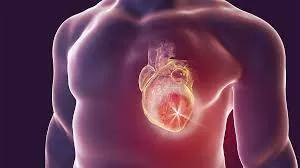
Organ transplantation represents one of the most resource-intensive and time-sensitive domains of modern tertiary medicine. For decades, advanced surgeries like kidney, liver, and heart transplants in Gujarat have been heavily concentrated within a few urban medical hubs, such as Ahmedabad.
For patients residing in peripheral zones like Kutch or the Saurashtra peninsula, the geographic concentration of these services presents severe physiological and logistical hurdles. If a patient experiences sudden acute organ failure, or if a deceased donor organ becomes available, the window for successful retrieval and implantation is remarkably narrow. Minister Pansheriya argued during the council sessions that anchoring an organ transplant wing within AIIMS Rajkot would permanently bring diagnostic workups, complex operations, and vital post-transplant monitoring closer to millions of rural and semi-urban residents.
Public health analysts note that expanding transplant access outside of metropolitan capital zones shifts organ transplantation from a localized luxury to an accessible regional asset. However, as independent policy experts point out, establishing a functional facility requires far more than setting up advanced operating theaters. It demands an interconnected clinical ecosystem consisting of specialized organ retrieval protocols, HLA (human leukocyte antigen) tissue-typing immunology laboratories, continuous intensive care support, and robust regional donor registries.
Quantifying the National Transplant Gap
The request from Gujarat reflects a acute structural reality felt across India: the severe mismatch between organ availability and thousands of patients experiencing end-stage organ diseases.
According to historical surveillance data from the National Organ and Tissue Transplant Organisation (NOTTO), India’s aggregate annual transplant volume has grown dramatically, rising from fewer than 5,000 surgeries in 2013 to nearly 20,000 procedures by 2025. This scale-up was vastly accelerated by the systemic deployment of NOTTO, which helped double deceased organ donor metrics nationally in its foundational years.
Despite these macro-level structural expansions, the micro-level gap remains deeply challenging for families on waiting lists.
Estimated National Waiting List vs. Actual Annual Transplants (Kidney)
======================================================================
[██████████████████████████████████████████████████] 175,000 Waiting
[██] 13,476 Performed Annually
A comprehensive 2025 data brief published in The BMJ highlighted that while roughly 13,476 kidney transplants were successfully executed nationwide in 2024, an estimated 175,000 individuals remained registered on active waitlists, facing average wait times stretching between three to five years. Deceased donors still account for only about 18% of the total transplant volume, meaning the system remains heavily anchored to living familial donors. The absolute deficits underscore why states continue to lobby for regionalized tertiary hubs to capture potential deceased donor pools that currently go unutilized due to lack of local infrastructure.
Beyond Surgeries: Addressing Antibiotic Stewardship and Food Safety
In tandem with the infrastructure appeal for AIIMS Rajkot, the Gujarat health delegation brought two systemic regulatory threats to the floor: the rise of antimicrobial resistance (AMR) and the persistence of food and drug adulteration.
Minister Pansheriya urged the Union government to enforce stringent legal measures and tighter controls against the uncontrolled over-the-counter sale and misuse of antibiotics. Public health epidemiologists have long warned that unchecked antibiotic use accelerates the mutation profiles of common pathogens, transforming routine bacterial infections into highly dangerous, drug-resistant conditions. In a tertiary care setting—particularly within transplant units where patients are placed on heavy immunosuppressant therapies to prevent organ rejection—the presence of drug-resistant “superbugs” can be completely catastrophic.
Additionally, the state pressed for amendments to tighten penal enforcement under the Food Safety and Standards Act of 2006. Framing adulteration as a direct driver of long-term metabolic diseases and acute toxicities, the proposal seeks to raise consumer safety standards. Because the council functions primarily as a high-level advisory and policy-formulation body, these legislative and regulatory adjustments remain strategic declarations of intent rather than immediate statutory changes.
The Digital Health Infrastructure Backbone
The broader agenda of the 16th CCHFW conference also featured major structural rollouts from the central government, including digital tracking enhancements under the Ayushman Bharat Digital Mission (ABDM) and the formal unveiling of the revamped operational guidelines for the Anaemia Mukt Bharat (Anaemia-Free India) campaign.
These developments highlight a foundational shift toward data-driven preventive care and coordinated patient migration tracking. For long-term transplant care, digital health ecosystems offer major practical benefits:
-
Continuous Electronic Tracking: Post-operative transplant patients require lifelong, regimented follow-up visits and precise therapeutic drug monitoring to balance immunosuppression levels. Unified digital registries allow clinical profiles to be accessed seamlessly by regional physicians, preventing diagnostic fragmentation.
-
Systemic Referral Logistics: Digital networks minimize dangerous administrative delays when coordinating organ matching, transit logs, and patient availability across state boundaries.
-
Saturation Screening Interventions: The revised Anaemia Mukt Bharat protocols will utilize digital beneficiary tracking and saturation-based screening platforms to map nutritional deficiencies across high-prevalence demographics, showing how digital registries are becoming standard across both basic preventive and advanced curative care.
Clinical Realities and Implementation Hurdles
While transplant specialists broadly welcome the decentralization of clinical capacity, they caution that building a reliable system requires deep investments in human capital alongside physical real estate.
On the leadership front, AIIMS Rajkot is well-positioned to steer this transition. The institute’s Executive Director, Dr. L.N. Dorairajan, brings extensive specialized expertise to the table, having previously played a pivotal role in initiating advanced urology tracks, complex kidney surgeries, and deceased donor transplant infrastructure during his tenure at JIPMER.
However, independent medical experts emphasize that a successful regional transplant center cannot operate in isolation. The immediate bottleneck is rarely the physical availability of surgical theaters; rather, it is the scarcity of highly trained organ procurement coordinators, specialized transplant nurses, sub-specialty immunologists, and legally compliant brain-death certification panels within local intensive care units. Furthermore, building public trust to encourage voluntary organ donation consent remains a slow, delicate sociological process.
As a result, while Gujarat’s formal request provides a powerful policy signal toward resolving healthcare imbalances, the realization of a fully operational transplant facility at AIIMS Rajkot will ultimately depend on multi-year budgetary allocations, thorough staff training timelines, and official structural approvals from the Union Ministry of Health.
Reference Section
- https://www.indiatribune.com/public/national-health-council-meet-gujarat-govt-seeks-organ-transplant-facility-at-aiims-rajkot
Medical Disclaimer: This article is for informational purposes only and should not be considered medical advice. Always consult with qualified healthcare professionals before making any health-related decisions or changes to your treatment plan. The information presented here is based on current research and expert opinions, which may evolve as new evidence emerges.