 0
0
 0
0
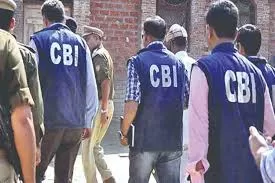
RANCHI, JHARKHAND — The Criminal Investigation Department (CID) began a comprehensive forensic review of admissions and procurement records at the Rajendra Institute of Medical Sciences (RIMS), Ranchi, on June 24, 2026. The sudden enforcement action follows serious complaints that several MBBS seats within the 2025 academic intake were secured using forged caste, residency, and disability certificates. The escalating probe has already resulted in the formal cancellation of one student’s enrollment and triggered the immediate resignation of the institute’s director, sending shockwaves through the region’s medical education and public health sectors.
Key Developments and Seizures at RIMS
Multiple CID teams deployed across the sprawling RIMS campus, conducting coordinated inspections of the dean’s office, the central data center, and the administrative headquarters of the director. According to institutional sources, investigators seized extensive documentary and electronic records explicitly linked to the 2025 MBBS and BDS (Dental) admissions, alongside paperwork regarding a high-value sanitation and supply tender.
The enforcement action intensifies an internal controversy that began late last year. RIMS administration had previously cancelled the admission of a first-year MBBS student, identified in investigative reports as Kajal Kumari, after a verification check revealed her caste certificate was fraudulent.
Following the aggressive expansion of the CID’s active probe, RIMS Director Dr. Raj Kumar submitted his resignation to state authorities. To maintain administrative stability, the Jharkhand State Health Department has appointed Dr. Dipendra Kumar Sinha as the acting director while the criminal investigation widens.
Scope of the CID Investigation
The scope of the CID inquiry spans both academic fraud and administrative malpractice. Investigators are currently focusing on three primary areas:
-
Credential Forgery: Systematic verification of caste, residential, and disability certificates used to claim reserved seats during the 2025 admission cycle.
-
Statewide Contagion: Evaluating whether systemic loopholes allowed similar fraudulent admissions across other medical colleges in Jharkhand, as local reports suggest a broader multi-institutional vulnerability.
-
Procurement Discrepancies: Investigating alleged irregularities in the bidding, evaluation, and award processes for critical sanitation and supply contracts at the tertiary care hospital.
Why Academic Integrity Matters for Public Health
While admission fraud is frequently viewed as a purely legal or administrative infraction, public health policy experts emphasize that its downstream effects directly impact patient care and systemic safety. Medical college admissions shape the foundational clinical workforce. Irregular or fraudulent entries risk admitting candidates who may lack the necessary academic prerequisites or regulatory compliance, potentially undermining the rigorous training pipeline.
“Irregular admissions do more than just displace deserving candidates; they fundamentally erode institutional trust,” says Dr. Anil Verma, a public health policy researcher who is not involved in the active investigation. “When the integrity of a medical training pipeline is compromised, it creates a cascade of systemic problems—ranging from compromised training outcomes to severe reputational damage that discourages top-tier, highly qualified applicants from entering public healthcare systems.”
Furthermore, logistical and procurement integrity at a premier public teaching hospital like RIMS is crucial. Financial or procedural irregularities in sanitation and supply contracts can directly impair infection control measures, clinical hygiene, and daily service delivery to vulnerable patient populations.
+----------------------------------------------------------------------------+
|                       RIMS INVESTIGATION AT A GLANCE                       |
+------------------------------------+---------------------------------------+
| Core Timeframe Under Scrutiny      | 2025 MBBS/BDS Admission Intake        |
+------------------------------------+---------------------------------------+
| Scope of Record Seizure            | Hundreds of student & tender files    |
+------------------------------------+---------------------------------------+
| Action Taken To Date               | 1 enrollment cancelled; 1 resignation |
+------------------------------------+---------------------------------------+
| Key Areas of Alleged Forgery       | Caste, Disability, and Residency data |
+------------------------------------+---------------------------------------+
Context, Statistics, and Systemic Vulnerabilities
In India, MBBS admissions are governed by strict central eligibility criteria, national counselling frameworks, and state-specific quotas designed to ensure equitable access via caste-based reservations and disability seats. Because competition for these subsidized public seats is exceptionally fierce, accurate verification is essential for maintaining equity.
Initial local coverage indicates that while at least two students are under formal suspicion and one enrollment has been nullified, complaints suggest anomalies may impact up to a dozen seats at RIMS alone. Because the CID has broadened its parameters to cross-examine admissions data across multiple state-run and private medical institutions, the investigative audit could encompass hundreds of student files statewide.
Jharkhand is not entirely unfamiliar with these challenges. Historical precedents from the region include periodic audits and vigilance exercises following past allegations of impersonation and credential manipulation during medical entrance cycles.
Medical education specialists note that structural gaps in the verification process must be addressed. “Verifying high volumes of documentation during the intense counselling and admission window is a massive, shared responsibility between the medical college and central or state entrance bodies,” explains Dr. Meera Kulkarni, an academic specializing in medical education frameworks. “To sustainably reduce forgery risks, institutions must transition toward synchronized digital verification networks and real-time cross-checks directly with the certificate-issuing authorities.”
Policy Implications and Counterarguments
Institutional and Policy Outlook
In the short term, the active probe may result in administrative delays, localized internal audits, and stringent oversight on remaining counselling schedules. Over the medium term, state policymakers are expected to revise verification protocols, potentially mandating centralized digital attestations and blockchain-style validation for sensitive caste and disability documentation. For patients, the primary risk remains systemic: recurrent controversies can diminish public trust in regional teaching hospitals that serve as essential tertiary care lifelines.
Legal Considerations and Limitations
It is critical to note that current media reports rely primarily on preliminary CID findings, initial administration actions, and seized records. The investigation is ongoing, and the broader allegations have not yet been proven in a court of law. RIMS administrators have clarified that some scrutinized documents, including at least one contested disability certificate, have already been proven genuine upon re-examination. Additionally, the institute’s proactive cancellation of one student’s admission in December 2025 demonstrates that internal corrective mechanisms were operational prior to external law enforcement intervention. Legal due process dictates that individuals and institutions remain presumed innocent until definitive judicial conclusions are reached.
Actionable Guidance for Stakeholders
-
- https://medicaldialogues.in/news/education/medical-colleges/cid-probes-alleged-mbbs-admission-irregularities-at-rims-ranchi-173677
Medical Disclaimer: This article is for informational purposes only and should not be considered medical advice. Always consult with qualified healthcare professionals before making any health-related decisions or changes to your treatment plan. The information presented here is based on current research and expert opinions, which may evolve as new evidence emerges.