 0
0
 0
0
POZZILLI, ITALY — A landmark study has revealed that cancer survivors who consume high amounts of ultra-processed foods (UPFs) face a significantly elevated risk of premature death. The research, involving over 800 survivors, indicates that those with the highest intake of industrial food products have a 48% higher risk of all-cause mortality and nearly a 60% higher risk of dying from cancer specifically, compared to those who prioritize whole or minimally processed foods.
The findings, published in the peer-reviewed journal Cancer Epidemiology, Biomarkers & Prevention, offer a sobering look at how dietary patterns impact long-term recovery. Following participants for an average of nearly 15 years, researchers from the IRCCS Neuromed Mediterranean Neurological Institute found that the negative impact of these foods persists even when accounting for overall diet quality and lifestyle factors like smoking and exercise.
Understanding the “Ultra-Processed” Label
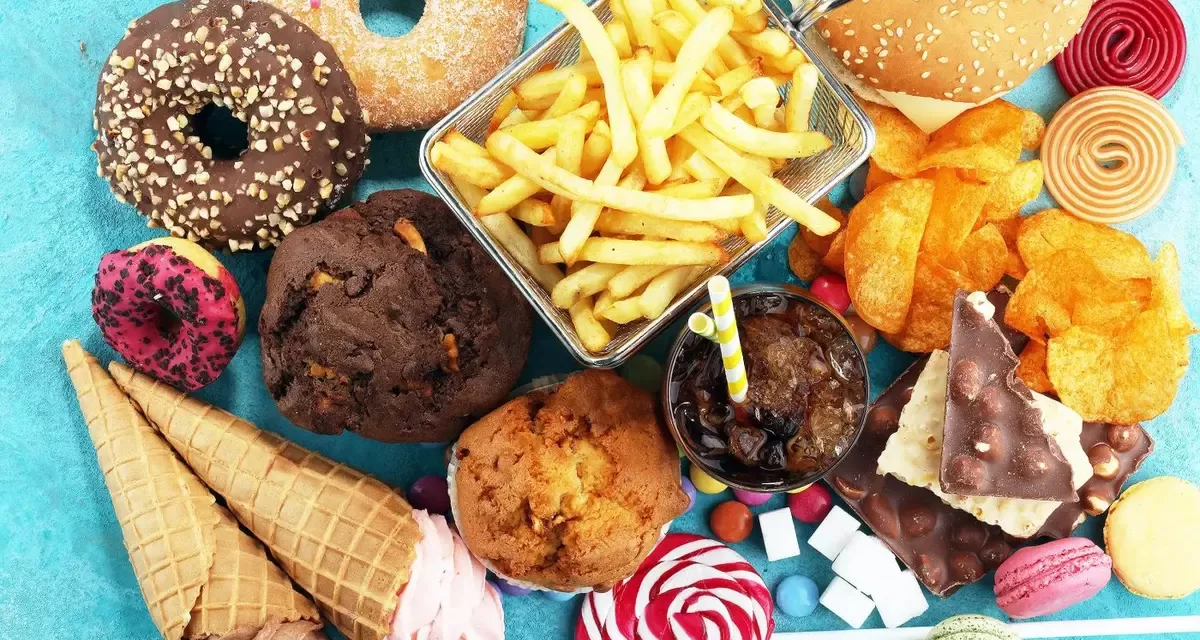
To the average consumer, the term “processed” can be confusing. Most foods undergo some form of processing, such as freezing vegetables or pasteurizing milk. However, ultra-processed foods are distinct. They are industrial formulations typically made of five or more ingredients, often including substances not found in a standard kitchen—such as hydrogenated oils, emulsifiers, flavor enhancers, and artificial colors.
Common examples identified in the study include:
-
Sugary and artificially sweetened beverages
-
Processed meats (sausages, packaged deli meats, hot dogs)
-
Packaged snacks (chips, crackers, and flavored nuts)
-
Ready-to-eat meals (frozen pizzas and shelf-stable microwave dinners)
-
Sweetened dairy products (flavored yogurts and dessert drinks)
“The substances involved in the industrial processing of foods can interfere with metabolic processes, disrupt gut microbiota, and promote inflammation,” explains Marialaura Bonaccio, PhD, lead author of the study and a researcher at IRCCS Neuromed. “As a result, even when an ultra-processed food has a similar calorie content and nutritional composition on paper compared to a minimally processed food, it could still have a more harmful effect on the body.”
The Biology of Risk: Beyond “Empty Calories”
For years, nutritionists focused primarily on the “Big Three” of poor health: sugar, salt, and fat. While UPFs are often high in these, this study suggests the degree of processing itself is a hidden danger.
The research team analyzed blood markers and clinical data to understand why these foods were linked to higher mortality. They discovered that participants with high UPF intake showed higher levels of systemic inflammation and a faster resting heart rate.
Statistically, when the researchers adjusted for these inflammatory markers, the link between UPFs and death weakened by approximately 37%. This suggests that chronic inflammation—a known driver of cancer progression—is a primary pathway through which industrial foods damage the health of survivors.
Why Survivors Are Uniquely Vulnerable
The study focused on long-term survivors, collecting dietary data an average of 8.4 years after their initial diagnosis. This distinction is vital; it addresses the “new normal” for people who have moved past active treatment but are looking to maintain their health.
Cancer treatment—including chemotherapy, radiation, and surgery—can leave the body in a state of prolonged physiological stress. Survivors often manage lingering side effects, such as altered gut health or metabolic changes.
“Cancer survivors are in a state of recovery that can last for years,” says Dr. Elena Rossi, an oncology dietitian not involved in the study. “Their bodies are constantly working to repair tissues and regulate immune function. Introducing a diet heavy in additives and inflammatory compounds is like trying to rebuild a house with low-quality materials while it’s still weathering a storm.”
A Closer Look at the Data
The study utilized the NOVA classification system, a globally recognized tool that categorizes food by the extent and purpose of industrial processing.
| Metric | High UPF Intake (Top Third) | Low UPF Intake (Bottom Third) |
| All-Cause Mortality Risk | 48% Higher | Baseline |
| Cancer Mortality Risk | 57–59% Higher | Baseline |
| Primary Biological Markers | Elevated C-reactive protein (inflammation) | Normal ranges |
While the study found that certain categories, like processed meats and sugary drinks, were particularly harmful, Dr. Bonaccio emphasizes the total dietary pattern. The researchers found that measuring UPF consumption by weight (how much of your total plate consists of these items) was a more accurate predictor of risk than simply counting calories.
Limitations and the “Survival Bias”
While the results are compelling, the researchers urge a balanced interpretation. As an observational study, it can show a strong correlation but cannot definitively prove that UPFs caused the deaths.
Other limitations include:
-
Self-Reporting: Participants tracked their own diets, which can lead to inaccuracies.
-
Survival Bias: The study only included those who were alive long enough to provide dietary data years after their diagnosis.
-
Cancer Staging: Detailed information on the initial stage of the cancer was not available for all participants, which is a major factor in long-term survival.
Practical Steps for Survivors
The goal for survivors shouldn’t be “nutritional perfection,” which can lead to unnecessary stress. Instead, the focus should be on shifting the proportions of the diet.
Expert Recommendations for Daily Life:
-
The “Five Ingredient” Rule: If a packaged product has more than five ingredients or contains items you wouldn’t find in a home pantry (e.g., soy lecithin, high-fructose corn syrup), it’s likely ultra-processed.
-
Swap, Don’t Stop: Instead of “giving up” snacks, swap packaged crackers for a handful of raw nuts, or replace flavored yogurt with plain yogurt topped with fresh fruit.
-
Prioritize the “Mediterranean” Foundation: Diets rich in vegetables, legumes, whole grains, and olive oil have been shown to combat the very inflammation highlighted in this study.
“This isn’t about a single ‘toxic’ food,” says Dr. Bonaccio. “It’s about how much of your daily life is fueled by a factory versus a farm.”
Medical Disclaimer: This article is for informational purposes only and should not be considered medical advice. Always consult with qualified healthcare professionals before making any health-related decisions or changes to your treatment plan. The information presented here is based on current research and expert opinions, which may evolve as new evidence emerges.
References
- https://www.earth.com/news/cancer-patients-survivors-should-not-eat-ultraprocessed-foods-upf/