 0
0
 0
0
Read Time:5 Minute, 25 Second
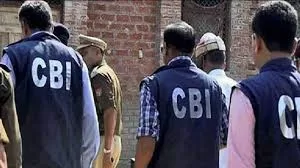
KOLKATA, India — August 7, 2026 — In a stern directive that highlights the ongoing tension between judicial accountability and institutional reform, the Calcutta High Court has ordered the Central Bureau of Investigation (CBI) to accelerate its renewed inquiry into the August 2024 rape and murder of a postgraduate trainee doctor at RG Kar Medical College and Hospital.
A division bench comprising Justices Shampa Sarkar and Tirthankar Ghosh expressed clear dissatisfaction with the agency’s latest status report, demanding that investigators demonstrate “substantial and positive progress” prior to the next scheduled hearing on August 28, 2026.
The tragic incident, which began with the discovery of the young doctor’s body inside the hospital premises on August 9, 2024, sparked nationwide strikes and protest marches. Two years later, the legal proceedings continue to intersect with a broader public health crisis: the systemic lack of workplace security, infrastructure safety, and occupational health protections for medical professionals across India.
Court Demands a Genuinely Independent Investigation
Reviewing the CBI’s recent filing, the High Court questioned whether the renewed inquiry was being overly influenced by the initial investigation. The division bench instructed the central agency to set aside previous assumptions and examine the case independently. Specifically, the court ordered investigators to re-evaluate the entire timeline—from the victim’s reported movements inside the hospital to the circumstances surrounding her cremation.
This fresh mandate stems from a petition filed by the victim’s family, who alleged significant procedural lapses and potential evidence tampering in the early stages of the case. Responding to these concerns, the High Court had previously ordered the formation of a specialized three-member CBI Special Investigation Team (SIT) in May 2026 to investigate charges of suppression.
To ensure objectivity, the agency recently replaced its lead investigating officer, assigning Senior Investigator Sandipani Garg to replace Seema Pahuja. Garg’s team is currently re-examining forensic materials, medical reports, and witness statements.
Legal Scrutiny and the Distinction of Due Process
While the original investigation resulted in the arrest and conviction of civic volunteer Sanjay Roy—who was sentenced to life imprisonment by a Kolkata court—the victim’s family and medical associations have persistently questioned whether the convict acted alone.
However, legal experts emphasize that the High Court’s directive for a faster, fresher probe does not invalidate the existing conviction, nor does it serve as legal proof of a broader conspiracy.
“Judicial oversight of an ongoing investigation is designed to ensure completeness and address procedural doubts,” notes Dr. Anirban Basu, a medico-legal consultant not involved in the case. “It is essential for public health reporting to distinguish between court-ordered inquiries and definitive judicial findings. Allegations of evidence destruction remain under investigation until established by evidence in a court of law.”
An Occupational Health Emergency: Security in Healthcare Settings
Beyond its criminal dimensions, the RG Kar case has brought long-standing occupational health hazards into sharp focus. For female resident doctors and healthcare staff working overnight shifts, isolated hospital corridors, poorly lit resting quarters, and unmonitored entry points represent day-to-day safety risks.
According to data from the World Health Organization (WHO), up to 62% of healthcare workers globally report experiencing some form of workplace violence, ranging from verbal abuse and threats to physical assault and sexual harassment.
Workplace Violence Against Resident Doctors in India
┌─────────────────────────────────────────────────────────┐
│ Any Form of Violence Experienced                   80.4%│
├─────────────────────────────────────────────────────────┤
│ Physical Violence Experienced                      21.7%│
└─────────────────────────────────────────────────────────┘
(Source: Kaur et al., Journal of Family Medicine and Primary Care)
In India, a peer-reviewed observational study published in the Journal of Family Medicine and Primary Care evaluated 326 resident doctors and found that 80.4% had experienced workplace violence during their training, with 21.7% reporting direct physical violence. The researchers characterized workplace safety not merely as an administrative concern, but as a critical occupational health problem that directly impacts clinician retention, morale, and patient care outcomes.
The Silent Epidemic: Mental Health Impact on Medical Staff
The psychological fallout from workplace insecurity reaches far beyond immediate physical harm. Chronic exposure to an unsafe work environment can trigger severe mental health conditions among medical trainees and senior staff alike.
A comprehensive review published in the International Journal of Environmental Research and Public Health linked health-sector violence to heightened rates of:
-
Post-Traumatic Stress Symptoms (PTSS)
-
Clinical anxiety and depressive disorders
-
Sleep disturbances and chronic fatigue
-
Impaired concentration and emotional burnout
When healthcare personnel experience high levels of anxiety regarding their physical safety, the broader health delivery system suffers. Doctors may avoid night rotations, experience severe cognitive fatigue, or leave the profession entirely, exacerbating existing physician shortages.
To mitigate these psychological risks, the WHO’s Psychological First Aid guidelines emphasize the need for immediate, non-intrusive emotional support, confidential psychological counseling, and structured workplace debriefings after traumatic events occur within healthcare institutions.
Translating Crisis into Infrastructure Reform
As the CBI prepares its progress report for the August 28 deadline, healthcare administrators face growing demands to implement concrete safety benchmarks. Expert consensus suggests that hospital safety protocols must move beyond passive security toward active, measurable infrastructure standards.
Priority Action Areas for Hospital Safety
-
Access Control: Mandatory biometric or badge-controlled access to staff rest areas, duty rooms, and call quarters.
-
Surveillance Infrastructure: Fully functional CCTV networks covering all common corridors, stairwells, and perimeter areas, monitored in real time.
-
Emergency Response Systems: Installation of physical “panic buttons” and mobile emergency applications linked directly to hospital security teams.
-
Support Protocols: Institutional policies that protect whistleblowers, offer rapid mental health counseling, and enforce transparent reporting mechanisms without fear of academic or professional retaliation.
For the general public, health ethicists advise responsible engagement. Avoiding the dissemination of unverified claims, respecting victim privacy laws, and relying on verified judicial updates are crucial steps in preventing misinformation while supporting meaningful institutional reform.
The High Court’s mandate for a swift, rigorous probe represents a pivotal step toward justice for the victim’s family. Simultaneously, its outcome will serve as a crucial benchmark for how healthcare systems protect the physical and psychological well-being of those who dedicate their lives to saving others.
Medical Disclaimer: This article is for informational purposes only and should not be considered medical advice. Always consult with qualified healthcare professionals before making any health-related decisions or changes to your treatment plan. The information presented here is based on current research and expert opinions, which may evolve as new evidence emerges.
References
- https://www.fmbharat.com/en/healthmedicine/calcutta-hc-directs-cbi-to-accelerate-pace-in-fresh-probe-in-rg-kar-rape-and-murder-case


Happy
0 %

Sad
0 %

Excited
0 %

Sleepy
0 %

Angry
0 %

Surprise
0 %