 0
0
 0
0
Read Time:5 Minute, 54 Second
WASHINGTON — In one of the most comprehensive investigations of family dynamics and human health to date, researchers analyzing health records from more than 10 million Americans have uncovered a striking statistical connection: whether you were born first or second may influence your likelihood of developing more than 150 distinct medical conditions.
The study, published in the journal Nature Health, examined diagnostic coding across more than 5 million two-child households. The findings reveal that first-born children are statistically more likely to be diagnosed with neurodevelopmental and allergic conditions, including autism, attention-deficit/hyperactivity disorder (ADHD), asthma, and food allergies. Second-born children, by contrast, show higher diagnosis rates for conditions such as substance-use disorders, migraines, gastritis, and shingles.
However, lead authors and independent medical experts quickly stress that these findings reflect population-level statistical associations—not direct causation. Being born first or second does not seal an individual’s health fate. Instead, scientists view birth order as a complex proxy marker for a mix of biological factors during pregnancy, early childhood environmental exposures, and parental diagnostic behaviors.
Mapping the Human “Phenome” Across Siblings
To tease apart how birth order intersects with disease risk, the research team evaluated 569 broad disease categories across two distinct analytical models.
First, they conducted a between-family comparison matching roughly 1.6 million first-born and second-born children from different households, controlling for parental age, birth year, geographic location, and sibling age gaps. Second, to strip away confounding background noise—such as shared genetics, household income, parental education, and general living conditions—they performed a within-family analysis comparing siblings directly within more than 5 million two-child homes.
Out of 418 health conditions with sufficient statistical power for robust analysis, 150 conditions yielded significant differences based on birth position.
Sibling Health Trajectories: Key Differences Identified
| Category | Conditions More Common in First-Borns | Conditions More Common in Second-Borns |
| Neurodevelopmental & Mental Health | Autism spectrum disorder, ADHD, Tourette syndrome, tic disorders, anxiety, depression | Substance-use disorders |
| Immune & Allergic | Asthma, allergic rhinitis (hay fever), food allergies | Shingles (herpes zoster) |
| Gastrointestinal & Neurological | Lower relative risk observed | Migraines, gastritis, inflammatory digestive issues |
| Musculoskeletal | Lower relative risk observed | Certain joint and connective tissue disorders |
While 79 conditions were identified as more frequent in first-borns and 71 in second-borns, researchers emphasized that the absolute difference in risk for any single individual remains remarkably small.
Why Might Birth Position Impact Physical and Mental Health?
Because the study relied on existing health insurance claims, it could not definitively prove why these variations exist. However, researchers have proposed several plausible biological and behavioral mechanisms working in tandem.
1. Prenatal Biology and Maternal Immunity
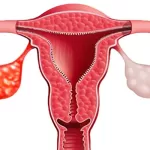
A first pregnancy represents a unique biological event for the female body. Uterine vascular structure, placental development, and maternal immune responses to a developing fetus differ substantially during a first pregnancy compared to subsequent ones. These subtle physiological differences during critical windows of fetal brain and immune system development could subtly shift baseline vulnerabilities.
2. The “Hygiene Hypothesis” and Early Microbe Exposure
The stark contrast in allergic conditions between siblings provides further support for long-standing immunological theories. First-born infants typically spend their initial months in a relatively sanitized environment. Second-born infants, however, enter homes where older siblings actively introduce viruses, bacteria, and environmental microbes from daycare or school settings. Early microflora exposure is known to shape immune system maturation, potentially protecting younger siblings against hyper-reactive allergic responses later in life.
3. Diagnostic Surveillance and Parental Vigilance
When parents raise their first child, every milestone is monitored with intense scrutiny. First-time parents may be quicker to notice subtle speech delays, behavioral shifts, or motor tics, leading to earlier medical evaluations and higher formal diagnostic rates for conditions like autism or ADHD. By the time a second child arrives, parents often possess more calibrated expectations, which might lead to under-diagnosis or delayed reporting of milder symptoms.
4. Adolescent Social Dynamics and Peer Exposure
For behavioral conditions like substance-use disorders, social dynamics likely play a predominant role. Second-born children are often introduced at younger ages to older peer groups, adolescent risk-taking behaviors, and diminished parental supervision relative to when the first child was the same age.
Experts Urge Caution: Understanding the Study’s Limitations
Outside experts independent of the study advise against overinterpreting the findings or panicking about family planning.
Julia M. Rohrer, Ph.D., a psychologist and prominent birth-order researcher at Leipzig University in Germany who was not involved in the work, pointed out critical sampling limitations inherent in large insurance datasets.
“The study didn’t include uninsured families or those on Medicaid,” Rohrer noted in commentary published by Scientific American.
Because the dataset relied strictly on U.S. commercial health insurance claims, the population sampled skews higher-income and may possess better overall access to specialty healthcare than the general public.
Medical experts highlight several additional caveats:
-
Insurance Claims vs. Clinical Notes: Claims data are generated primarily for medical billing, not research. They can reflect administrative coding errors and lack details regarding symptom severity, lifestyle choices, diet, or specialist confirmation.
-
Family Structure Constraints: The analysis evaluated two-child families exclusively. Findings cannot be generalized to single-child households, families with three or more children, or cultural structures outside the United States.
-
Detection Bias: Access to healthcare drives diagnosis rates. A child diagnosed with mild ADHD in a insured household represents access to care, not necessarily a fundamental biological divergence from an undiagnosed child in a low-resource setting.
Furthermore, previous lifespan studies suggest birth-order risks evolve as people age. A comprehensive Swedish register study tracking individuals from birth to age 70 published in Social Science & Medicine demonstrated that while first-borns frequently experienced worse health markers right at birth, younger siblings experienced higher cumulative risks for injuries, circulatory issues, and substance use much later in adult life.
Clinical Implications: What This Means for Families
For parents and healthcare providers, the primary takeaway is reassurance. Birth order is an intriguing public health research clue, not a clinical diagnosis or a rigid destiny.
Pediatricians and family medicine physicians stress that daily health decisions must remain anchored in individual clinical presentation, developmental milestones, and validated screenings—never sibling order.
Parents should remain vigilant regarding their children’s physical and mental well-being, seeking medical evaluation whenever developmental delays, severe allergic reactions, behavioral changes, or chronic pain manifest, regardless of whether the child was born first, second, or third.
As medical research increasingly focuses on personalized and precision medicine, birth order provides scientists with a novel lens to explore how prenatal environments, early micro-exposures, and family structures interact across a lifespan.
References
-
https://medicalxpress.com/news/2026-08-birth-disease-life.html
Medical Disclaimer: This article is for informational purposes only and should not be considered medical advice. Always consult with qualified healthcare professionals before making any health-related decisions or changes to your treatment plan. The information presented here is based on current research and expert opinions, which may evolve as new evidence emerges.


Happy
0 %

Sad
0 %

Excited
0 %

Sleepy
0 %

Angry
0 %

Surprise
0 %