 0
0
 0
0
Read Time:6 Minute, 0 Second
Published August 7, 2026
For decades, reproductive medicine has delivered a consistent message to women seeking pregnancy after age 35: focus on the ovaries. From egg quantity and quality to hormonal surges and ovulation schedules, age-related fertility decline has traditionally been framed almost entirely around maternal age and egg health.
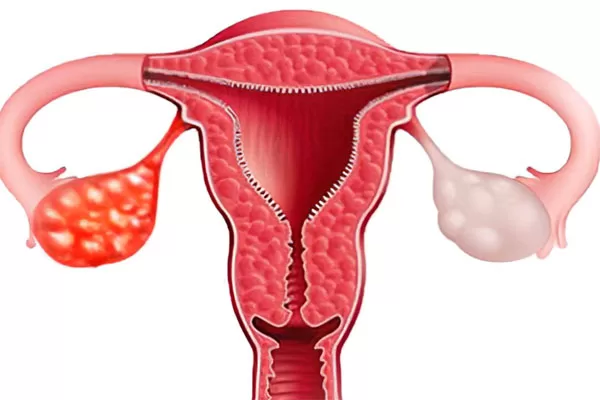
However, compelling new research suggests another crucial factor may be at play inside the reproductive tract itself. A study published August 6, 2026, in the journal Cell Host & Microbe reveals that distinct bacterial populations living within the lining of the uterus—specifically a beneficial species called Lactobacillus gasseri—decline as women age. Furthermore, higher levels of these key bacteria correlate with successful embryo implantation, independent of a woman’s chronological age. Led by researchers at the Shanghai Jiao Tong University School of Medicine, the study raises a pivotal question for reproductive medicine: could the womb’s internal ecosystem be as vital as egg health for establishing a successful pregnancy?
Uncovering the Uterine Ecosystem: Age, Bacteria, and Pregnancy
To explore how the uterine environment changes over time, researchers collected and analyzed endometrial (uterine lining) biopsy samples from 149 women aged 20 to 45 who were undergoing medical treatment for infertility. The team categorized participants into three age groups: under 30, 30–35, and over 35.
The sequencing data revealed a clear pattern. Women in the youngest cohort possessed significantly higher overall abundance of Lactobacillus species in their endometrial tissue than their older counterparts. Among the specific strains evaluated, Lactobacillus gasseri demonstrated the most pronounced age-related drop.
Endometrial Microbiome Comparison Across Cohorts:
• Under 30 Years: High abundance of Lactobacillus (including L. gasseri)
• 30–35 Years: Moderate reduction in beneficial Lactobacillus populations
• Over 35 Years: Marked decline in overall Lactobacillus & L. gasseri levels
A year after the initial sampling, researchers followed up with 93 participants who had undergone in vitro fertilization (IVF) with embryo transfer, resulting in 56 clinical pregnancies. While overall pregnancy rates did not differ drastically across age brackets in this particular cohort, women who successfully became pregnant shared a common biological trait: they had significantly higher endometrial concentrations of Lactobacillus compared to those whose transfers failed—regardless of how old they were.
To determine whether these bacteria actively protect the uterine environment or simply act as passive markers of health, the research team conducted laboratory and animal experiments. They discovered that L. gasseri produces specialized sugar molecules that shield human endometrial cells from age-related cellular degradation. When older mice were treated with a postbiotic formulation (a purified biological compound derived from L. gasseri), their endometrial receptivity increased, markedly improving embryo implantation rates.
Why the Uterine Microbiome Matters for Implantation
Historically, the healthy uterus was believed to be a completely sterile environment. Modern genomic sequencing has disproven that assumption, establishing that a sparse but active collection of microorganisms inhabits the tissue where an embryo must attach to establish a pregnancy.
In healthy conditions, a Lactobacillus-dominated uterine lining acts as a protective shield. These beneficial microorganisms produce lactic acid to maintain an optimal, slightly acidic pH, while simultaneously secreting antimicrobial peptides that prevent harmful pathogens from colonizing the tissue.
When this balance breaks down—a state known as uterine dysbiosis—the risk of reproductive failure rises. An overgrowth of pathogenic bacteria paired with a depletion of Lactobacillus has been linked to:
-
Chronic endometritis (low-grade inflammation of the uterine lining)
-
Recurrent implantation failure (RIF) during IVF procedures
-
Increased rates of early pregnancy loss
-
Compromised vascular development needed for placental attachment
Expert Insights: “The Womb Itself Changes”
The findings highlight a necessary shift in how physicians evaluate age-related reproductive health.
“Advice for women trying to conceive after 35 tends to stop at the ovaries,” noted medical reporting on the groundbreaking study. “This study suggests the womb itself changes too.”
Dr. Hua Li, a corresponding author of the study, emphasized that while the findings are encouraging, researchers must remain cautious about drawing direct cause-and-effect conclusions in humans.
“One finding that surprised us was that overall microbial diversity did not change markedly across the different age groups,” Dr. Li explained. “Instead, the major differences involved particular bacterial species.”
Dr. Li also issued a stern warning to women considering self-treatment. Over-the-counter probiotic pills or vaginal suppositories containing generic Lactobacillus strains have not been evaluated or proven to treat age-related infertility.
“What worked in this study was a specific bacterial fraction, at a controlled dose, under laboratory conditions,” Dr. Li cautioned. “Over-the-counter dietary supplements cannot replicate those precise conditions and should not be viewed as a fertility cure.”
Critical Limitations and Unanswered Questions
While the study offers a exciting roadmap for future therapies, independent fertility experts emphasize that several limitations must be addressed before this research translates into clinical patient care:
| Aspect | Study Limitation | Clinical Context |
| Study Design | Observational human study | Proves an association between L. gasseri and pregnancy, but cannot confirm direct causation in human subjects. |
| Sample Size | 149 participants | Focused strictly on women receiving treatment for infertility; results may not apply to those conceiving naturally. |
| Intervention Status | Mouse model postbiotics | Human clinical trials using targeted uterine postbiotic therapies have not yet been conducted. |
| Diagnostic Reliability | Variable literature | A universally accepted, standardized microbial test to predict implantation failure remains under development. |
What This Means for Women Over 35 Trying to Conceive
For patients, this emerging science represents hope, but not an immediate reason to change medical treatment plans.
Medical guidance from the American College of Obstetricians and Gynecologists (ACOG) maintains that age-related fertility decline remains a complex, multi-system process. Natural fertility decreases gradually in the early 30s and speeds up after age 37, driven primarily by chromosomal changes in eggs alongside structural changes in reproductive tissues.
Evidence-Based Steps for Patients
-
Avoid DIY Probiotic Regimens: Do not buy commercial supplements claiming to “boost uterine health.” The uterine environment is delicate, and unverified products can disturb natural vaginal and cervical barriers.
-
Seek Timely Evaluations: Women over 35 who have been trying to conceive for six months without success should consult a board-certified reproductive endocrinologist rather than waiting.
-
Focus on Verified Preconception Health: Proven interventions—such as maintaining balanced metabolic health, managing stress, addressing chronic systemic inflammation, and stopping smoking—continue to be the primary levers for supporting uterine health.
The Road Ahead: Precision Reproductive Medicine
This study reflects a growing movement in reproductive endocrinology toward a “whole-system” view of human fertility. Rather than evaluating ovarian reserve in isolation, modern fertility care is moving toward precision medicine—evaluating how the gut, vaginal, and uterine microenvironments interact with hormones and tissue lining to support human life.
While routine uterine microbiome testing and postbiotic therapies are not yet standard clinical practices, this line of investigation opens new therapeutic avenues for women facing unexplained infertility or age-related implantation challenges.
Medical Disclaimer
This article is for informational purposes only and should not be considered medical advice. Always consult with qualified healthcare professionals before making any health-related decisions or changes to your treatment plan. The information presented here is based on current research and expert opinions, which may evolve as new evidence emerges.
References
- https://www.earth.com/news/uterine-microbiome-fertility-after-35/


Happy
0 %

Sad
0 %

Excited
0 %

Sleepy
0 %

Angry
0 %

Surprise
0 %