 0
0
 0
0
Published: May 13, 2026
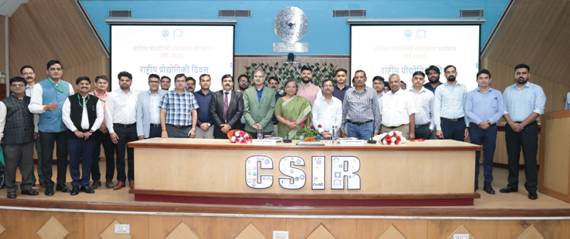
NEW DELHI — In a landmark move for national infrastructure and public safety, the Council of Scientific and Industrial Research (CSIR) marked National Technology Day yesterday by transferring 13 breakthrough indigenous technologies to the private sector. Developed by the Central Building Research Institute (CBRI), Roorkee, these innovations—ranging from advanced fire-resistant coatings to low-carbon brick manufacturing—signal a pivotal shift in how the built environment impacts human health and environmental sustainability. The event, held at CSIR Headquarters, underscores a growing domestic “research-to-retail” pipeline aimed at making Indian homes and workplaces safer, cooler, and more ecologically responsible.
Bridging the Gap Between Engineering and Wellness
While building technology is often viewed through the lens of engineering, its implications for public health are profound. Poor indoor air quality, fire hazards in high-density urban areas, and the “heat island” effect are significant contributors to respiratory illnesses, physical trauma, and heat-related morbidity.
“Science, innovation, and technology-based development are emerging as key drivers in India’s journey towards becoming a developed nation,” stated Dr. N. Kalaiselvi, Director General of CSIR and Secretary of DSIR, during the ceremony. The transfer of these 13 technologies is designed to move these solutions out of the lab and into the lives of everyday citizens.
Key Technologies and Their Impact
The 13 technologies transferred cover three critical pillars: Fire Safety, Sustainable Construction, and Infrastructure Protection.
1. Fire Safety: The Transparent Shield
One of the standout transfers is a fire-resistant transparent intumescent coating for wood and wood-substitute surfaces. Unlike traditional paints, this coating remains clear, preserving the aesthetic of the wood while providing a critical thermal barrier.
-
The Health Angle: In the event of a fire, this coating expands to form a char layer, slowing the spread of flames and reducing the emission of toxic smoke—the leading cause of death in indoor fires.
2. Green Construction: Low-Carbon Bricks
The brick-and-mortar industry is a notorious contributor to particulate matter (PM2.5) pollution. The CBRI’s new low-carbon footprint brick manufacturing technology aims to decouple construction from heavy carbon emissions.
-
The Health Angle: Reducing industrial emissions at the source directly correlates with a decrease in chronic obstructive pulmonary disease (COPD) and other respiratory conditions in local communities.
3. Climate Adaptation: Hybrid Solar Heat Pumps
As global temperatures rise, energy-efficient cooling and heating become medical necessities. The hybrid solar-assisted heat pump system transferred yesterday offers a sustainable way to maintain thermal comfort.
-
The Health Angle: Proper climate control in buildings reduces the risk of heatstroke and cardiovascular stress, particularly in vulnerable populations like the elderly and children.
Expert Perspectives: A Holistic View
Medical and urban planning experts not involved in the CBRI research suggest that “self-reliant” technology is a win for preventive health.
“We often treat health as something that happens in a doctor’s office, but health begins in the buildings where we spend 90% of our time,” says Dr. Aristha Sen, a public health consultant specializing in urban environments. “Indigenous technologies like these are crucial because they are tailored to India’s specific climate and socioeconomic constraints. A fire-resistant coating that is affordable and locally produced is more likely to be adopted in high-density housing, where the risk of mass-casualty fires is highest.”
However, some experts urge caution regarding the “implementation gap.” Rajesh Varma, a structural engineer and safety auditor, notes that “transferring the technology to industry is step one. The challenge lies in ensuring these start-ups maintain quality control and that the technologies are integrated into national building codes to ensure widespread public benefit.”
Statistical Context: The Cost of Inaction
The necessity for these technologies is backed by sobering data:
-
Fire Hazards: According to the National Crime Records Bureau (NCRB), fire accidents in India claim thousands of lives annually, with residential buildings being a primary site.
-
Carbon Footprint: The construction industry accounts for roughly 25-30% of India’s total carbon emissions.
-
Infrastructure Decay: Corrosion of RCC (Reinforced Cement Concrete) structures costs the global economy trillions; the IPN coating technology transferred by CBRI aims to extend the lifespan of these structures, preventing catastrophic collapses.
Public Health Implications and Recommendations
For the average consumer, these technological transfers represent a new menu of choices for safer living.
-
For Homeowners: Look for products utilizing “intumescent” technology for home interiors to significantly increase evacuation time during emergencies.
-
For Urban Planners: Incorporating low-carbon materials and solar-assisted pumps can reduce the “Urban Heat Island” effect, where cities become several degrees warmer than surrounding rural areas.
-
For Industry: The move toward “Aatmanirbhar Bharat” (Self-Reliant India) in construction chemicals reduces reliance on expensive imports, potentially lowering the cost of safety for the end-user.
Looking Ahead: The Smart Village Initiative
During the event, CSIR also released a video on the “CSIR Smart Village Initiative,” demonstrating that these technologies aren’t just for skyscrapers. By applying advanced building materials and sustainable energy to rural settings, the CBRI is working to close the health equity gap between urban and rural populations.
As the Annual Report 2025–26 of CSIR-CBRI was unveiled, the message was clear: the future of Indian health is inextricably linked to the strength and sustainability of its infrastructure.
Medical Disclaimer
Medical Disclaimer: This article is for informational purposes only and should not be considered medical advice. Always consult with qualified healthcare professionals before making any health-related decisions or changes to your treatment plan. The information presented here is based on current research and expert opinions, which may evolve as new evidence emerges.
Reference Section
Primary Source:
-
Press Information Bureau (PIB) Delhi. “National Technology Day Celebrated at CSIR with Transfer of 13 Indigenous Technologies Developed by CSIR-CBRI to Industry.” (May 12, 2026). Post ID: 2109843.