 0
0
 0
0
GENEVA – In a high-stakes push to fortify global defenses against the next “Disease X,” Member States of the World Health Organization (WHO) concluded an intensive week of negotiations this past Saturday, February 14, 2026, centering on the most contentious pillar of the new Pandemic Agreement: how the world shares virus data and the life-saving tools that result from it.
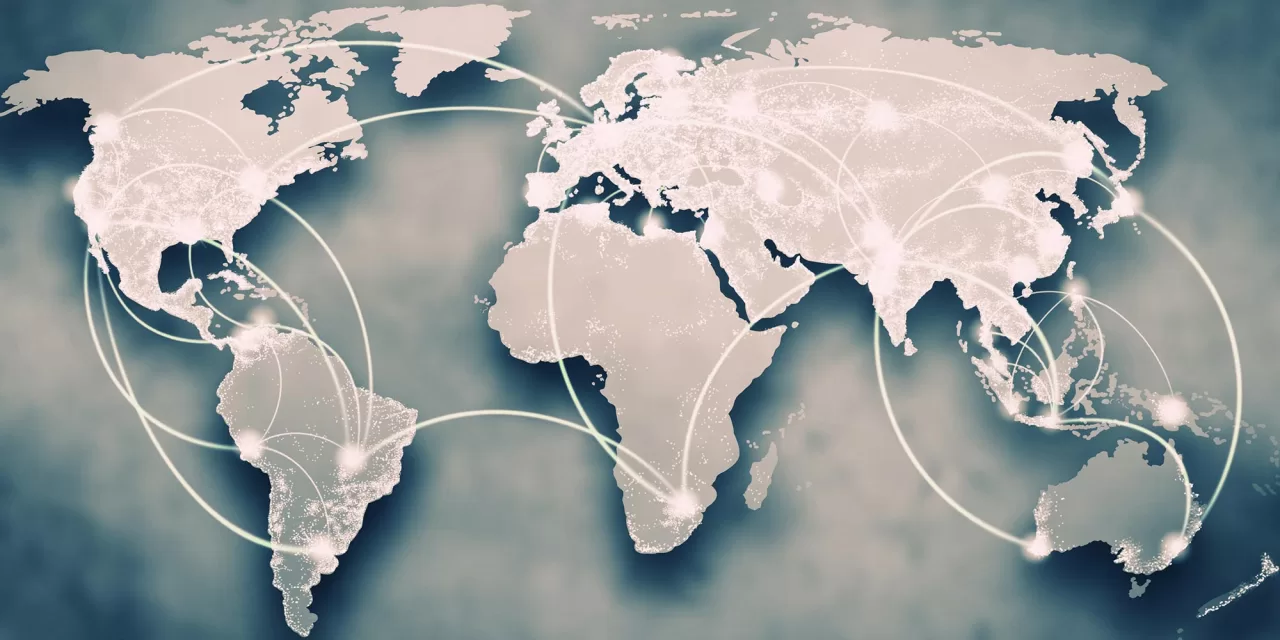
Meeting for the fifth session of the Intergovernmental Working Group (IGWG), delegates from around the globe focused on the Pathogen Access and Benefit Sharing (PABS) annex. This legal framework aims to ensure that when a new threat emerges, countries share biological samples and genetic codes instantly in exchange for a guaranteed, equitable slice of the resulting vaccines, treatments, and diagnostics.
While officials hailed the week as “productive,” the clock is ticking. The final text must be ready for the World Health Assembly (WHA) this May, leaving a narrow window to resolve deep-seated disagreements between wealthy nations and the Global South.
The PABS System: A Grand Bargain for Global Health
At its core, the PABS system is a “quid pro quo” designed to fix the systemic failures witnessed during the COVID-19 pandemic. During that crisis, many developing nations shared virus samples and data quickly, only to find themselves at the back of the line when vaccines were finally manufactured.
The new annex seeks to codify a two-way street:
-
Access: Countries must rapidly detect and share the genetic sequence information (GSI) of pathogens with pandemic potential.
-
Benefit Sharing: In return, a percentage of the production of vaccines and medicines derived from that data must be reserved for equitable distribution to lower-income nations based on public health need, rather than purchasing power.
“Countries this week have again shown their steadfast commitment to getting the PABS annex done,” said Ambassador Tovar da Silva Nunes of Brazil, co-chair of the IGWG Bureau. “We now have a clear vision for streamlining the text, while ensuring that the more contentious elements receive the necessary consultation.”
Why Timing is Everything
In the world of infectious disease, a delay of 48 hours can be the difference between a contained outbreak and a global catastrophe. To develop a diagnostic test or a vaccine, scientists need the “blueprint” of the virus—its genetic sequence.
Currently, this sharing often happens through informal networks or specific bilateral agreements. The PABS annex aims to standardize this under a legally binding international instrument.
“To ensure the world can respond swiftly, countries must be able to rapidly detect pathogens and share their materials,” the WHO stated following the session. “This timely action enables scientists to accelerate the development of essential tools.”
The “Sticking Points”
Despite the optimistic tone in Geneva, significant hurdles remain. Sources close to the negotiations indicate that the “contentious elements” mentioned by Ambassador Nunes include:
-
Intellectual Property (IP): How to balance the need for rapid vaccine production with the patent rights of pharmaceutical companies.
-
Percentage of Supply: The exact percentage of vaccines or treatments that manufacturers must set aside for the WHO to distribute during an emergency.
-
Data Sovereignty: Concerns from some nations about who “owns” the genetic data once it is uploaded to international databases.
“It is clear that important differences remain, but there is a shared recognition of what is at stake,” noted Matthew Harpur of the United Kingdom, also a co-chair of the IGWG Bureau. “The coming weeks will be critical in bridging the remaining gaps.”
Expert Perspectives: Moving Beyond COVID-19
Public health experts not involved in the negotiations emphasize that the PABS system is about more than just fairness—it’s about biological security.
“The COVID-19 pandemic showed us that ‘me-first’ politics is a recipe for a longer, deadlier pandemic,” says Dr. Elena Rodriguez, a global health policy researcher (not affiliated with the WHO). “If a country fears they won’t get access to the vaccines they help create, they might be hesitant to report an outbreak. PABS removes that disincentive by making equity a legal requirement, not a charity.”
However, some industry representatives caution that overly rigid requirements could slow down innovation. During the weeklong session, Member States engaged with stakeholders from the private sector and academic laboratories to ensure the system remains “fit for purpose” without stifling the very research it seeks to promote.
What This Means for the Public
For the average citizen, these diplomatic maneuvers in Geneva might feel distant, but they directly dictate how quickly a person might receive a vaccine or a test during the next global health emergency.
If the PABS annex is successful, it could mean:
-
Faster Diagnostics: Standardized data sharing means your local clinic could have reliable tests for a new virus weeks earlier than in previous years.
-
Stable Supply Chains: By diversifying where vaccines are made and who has access to them, the global “bidding wars” that left many countries empty-handed in 2020 could be mitigated.
-
Enhanced Surveillance: Better cooperation means a higher likelihood that an emerging threat in a remote region is caught before it travels across borders.
The Road to May
The WHO Pandemic Agreement was adopted in 2025 to correct the “moral failure” of the COVID-19 response. The PABS annex is the final, intricate piece of that puzzle.
WHO Director-General Dr. Tedros Adhanom Ghebreyesus remains optimistic. “Adopting the Pandemic Agreement last year was a huge testament to global cooperation,” he said. “Strong multilateralism remains essential as countries have to face future pandemics together, collectively.”
Negotiations are set to resume next month. With the May deadline looming, the international community is under immense pressure to deliver a framework that is both “fair and effective.” If they succeed, the 2026 World Health Assembly could mark the beginning of a new era in global health security—one where the world is finally prepared to act as one.
Reference Section
- https://www.who.int/news/item/17-02-2026-global-commitment-on-display-as-countries-negotiate-key-annex-to-the-pandemic-agreement
Medical Disclaimer: This article is for informational purposes only and should not be considered medical advice. Always consult with qualified healthcare professionals before making any health-related decisions or changes to your treatment plan. The information presented here is based on current research and expert opinions, which may evolve as new evidence emerges.