 0
0
 0
0
NEW DELHI — In a landmark move to democratize medical expertise, the Indian government has announced a strategic pilot program to equip 57 government medical colleges in rural and underserved areas with AI-enabled learning tools and comprehensive e-book repositories. Revealed at the AI Impact Summit 2026 held at Bharat Mandapam on February 18, the initiative seeks to dismantle the geographical barriers that have long hindered the quality of medical training in India’s periphery.
The program, spearheaded by the National Medical Library (NML) under the Directorate General of Health Services, marks a pivotal shift toward “tech-driven equity” in healthcare education. By providing digital clinical resources to institutions that have historically lagged in infrastructure, the government aims to ensure that a student in a remote district has the same diagnostic and academic firepower as one in a metropolitan center.
Targeted Solutions for a Growing Workforce
India currently oversees a massive medical education apparatus, with approximately 455 government medical colleges offering over 59,000 MBBS seats. However, the rapid expansion of seats—which now totals over 118,000 across both public and private sectors—has outpaced the physical infrastructure of many rural campuses.
Deputy Director General (Medical Education) B. Srinivas highlighted the urgency of the situation during the summit. “Students from medical colleges in remote areas find it challenging to access e-books and high-quality technical materials, including AI resources,” Srinivas stated. “We are leveraging AI to reach out to these students directly, ensuring that geography does not determine the quality of a doctor’s education.”
The pilot focuses on 57 specific colleges where the digital gap is most pronounced. The NML is currently securing licenses for a vast array of digital clinical content and e-books for immediate deployment. While the initial phase is government-funded and restricted to public institutions, officials confirmed that a roadmap exists to include private medical colleges once the pilot stabilizes.
Expert Perspectives: From Classroom to Clinic
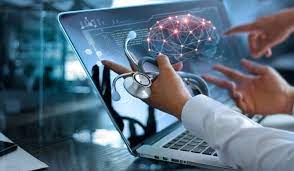
The integration of Artificial Intelligence into the curriculum is not merely about digitizing textbooks; it is about enhancing clinical decision-making. Experts argue that AI can act as a “force multiplier” for faculty members who are often stretched thin in rural settings.
Dr. Rachana, Coordinator of AI in Healthcare at Kasturba Medical College (Manipal), who was not involved in the government rollout but leads similar institutional efforts, emphasized the practical benefits. “AI can translate complex research into real-world solutions for diagnosis and treatment,” she noted. “For a student in a resource-constrained setting, an AI-enabled tool can provide predictive analytics and personalized learning paths that compensate for a lack of senior residency mentorship.”
However, independent reviewers urge caution. A recent study published in Frontiers in Artificial Intelligence regarding generative AI in Indian medical education found that while students are “enthusiastically adapting” to these tools, the engagement is often unstructured. The study warned that without a formal curriculum, students risk exposure to “hallucinations” or medical misinformation generated by unverified AI models.
Addressing the “Digital Literacy” Barrier
Despite the optimism, the initiative faces a steep climb. Public health data indicates a significant digital divide in rural India:
-
75.9% of individuals in some rural segments lack awareness of advanced digital health tools.
-
44.8% of rural patients have only a primary education, which can complicate the patient-provider interaction when high-tech diagnostic tools are introduced.
-
Reliable high-speed internet remains inconsistent in “Tier-3” towns, potentially rendering cloud-based AI tools inaccessible during critical study or clinical hours.
To combat this, the NML is pivoting from its traditional role as a physical archive—a role it has held since 1980—to a digital-first platform. This transition includes training local college librarians to become “digital navigators” who can assist students in filtering credible evidence-based data from AI-generated noise.
Public Health Implications: The “Trickle-Down” of Tech
For the general public, the implications of this initiative are profound. The quality of a nation’s primary healthcare system is directly tied to the competency of its newest doctors. By training rural medical students with AI-enhanced diagnostics, the government is essentially “future-proofing” the practitioners who will serve the bulk of India’s 1.4 billion people.
Why This Matters for Patients:
-
Reduced Diagnostic Errors: Students trained with AI decision-support tools are more likely to catch rare conditions that might be overlooked in high-volume, low-resource rural clinics.
-
Closing the Urban-Rural Gap: Traditionally, the best-trained doctors remain in cities. This initiative brings “city-grade” educational resources to the village, encouraging high-caliber talent to remain in rural postings.
-
Evidence-Based Care: Digital libraries ensure that rural doctors are practicing medicine based on 2026 standards, not outdated textbooks from a decade ago.
The Road Ahead: Challenges and Ethics
The rollout is not without its detractors. Critics point out that “AI cannot replace a stethoscope or a cadaver.” There are valid concerns regarding:
-
Data Privacy: How student and patient data will be protected within these new AI ecosystems.
-
Over-reliance: The risk of students losing “critical thinking” skills if they become too dependent on algorithmic suggestions.
-
Infrastructure: The need for a “hardware-first” approach to ensure every student actually has a functioning tablet or laptop to access these e-books.
As the program expands toward its goal of covering all 455+ government institutions, the focus must remain on “responsible and evidence-based AI,” a theme echoed throughout the AI Impact Summit.
Conclusion: A New Chapter for Indian Medicine
The launch of the AI and E-book initiative represents more than just a tech upgrade; it is a social intervention. By providing a “vast library where none existed,” India is positioning itself as a global leader in AI-driven health equity. If successful, this pilot could serve as a blueprint for other developing nations grappling with the challenge of training a modern medical workforce on a budget.
As the first 57 colleges begin their digital transition this year, the eyes of the medical community will be on the “digital doctors” of rural India.
Reference Section
Medical Disclaimer: This article is for informational purposes only and should not be considered medical advice. Always consult with qualified healthcare professionals before making any health-related decisions or changes to your treatment plan. The information presented here is based on current research and expert opinions, which may evolve as new evidence emerges.