 0
0
 0
0
March 28, 2026
NEW DELHI — In a significant stride toward universal healthcare, the Indian government announced today that the Pradhan Mantri Bhartiya Janaushadhi Pariyojana (PMBJP) has successfully expanded its footprint to 18,646 dedicated outlets, drastically reducing out-of-pocket healthcare expenses for millions. Minister of State for Chemicals and Fertilizers, Smt. Anupriya Patel, confirmed in a Lok Sabha briefing that these centers, known as Jan Aushadhi Kendras (JAKs), are now providing essential medications at costs 50% to 80% lower than branded alternatives, marking a pivotal moment in the country’s battle against rising medical inflation.
A Lifeline for Chronic Disease Management
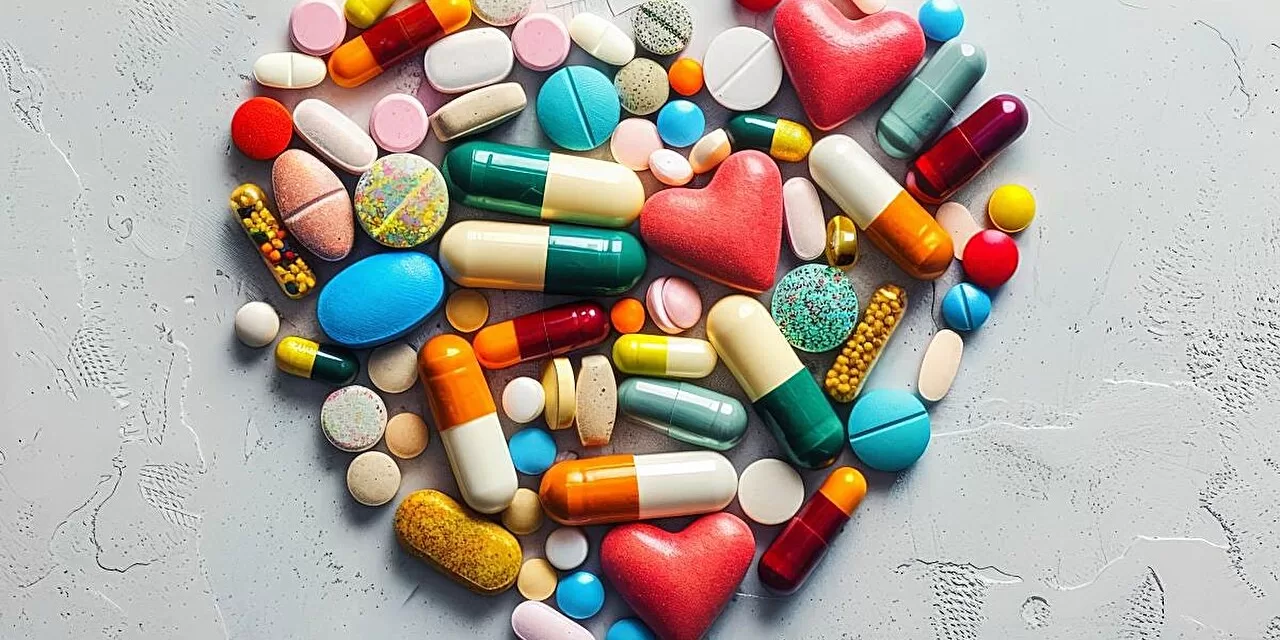
For the average consumer, the distinction between “branded” and “generic” often feels like a choice between quality and cost. However, the PMBJP scheme is designed to prove that the two can coexist. As of late February 2026, the scheme’s product basket has grown to include 2,110 medicines and 315 surgical items, covering critical therapeutic areas such as cardiovascular health, oncology, and diabetes.
The impact is particularly pronounced for patients with Non-Communicable Diseases (NCDs). Currently, more than 850 medicines for chronic conditions are available through these centers. For a patient managing hypertension or type 2 diabetes, switching to generic equivalents at a JAK can reduce monthly pharmacy bills from several thousand rupees to just a few hundred.
“The expansion of the Jan Aushadhi network is a cornerstone of public health equity,” says Dr. Arvinder Singh, a public health policy analyst (unaffiliated with the PMBI). “When you lower the price barrier by 80%, you aren’t just saving money; you are ensuring treatment adherence. Many patients stop taking life-saving medications simply because they cannot afford the next strip of branded pills.”
Logistics and the “No Stock-Out” Promise
One of the primary historical criticisms of generic drug programs has been the reliability of supply. To combat this, the Pharmaceuticals and Medical Devices Bureau of India (PMBI) has implemented an end-to-end, IT-enabled supply chain. This infrastructure currently utilizes five major warehouses and 41 distributors nationwide.
According to the latest government data:
-
Zero Major Stock-Outs: No significant incidents of medicine shortages were reported during the 2024-25 financial year.
-
Revenue Growth: The scheme recorded sales of ₹2,022.47 Crore at MRP during the last fiscal year, signaling high consumer trust and demand.
-
Incentivized Inventory: Since September 2024, JAK owners receive monthly incentives for maintaining stocks of the top 200 commonly used medicines.
To further modernize, the government is digitizing its forecasting methods. By using automated data to predict demand, the PMBI aims to ensure that “fast-moving” products—such as those for seasonal flu or common gastrointestinal issues—are always on the shelves before a local surge occurs.
Regional Impact: A Case Study in Madhya Pradesh
The micro-expansion of the scheme is visible in constituencies like Khajuraho, Madhya Pradesh. In this region alone, 38 JAKs are functional, distributed across Katni, Panna, and Chhatarpur districts. These centers serve as vital nodes for rural populations who previously had to travel to urban hubs for affordable treatment.
Furthermore, the scheme doubles as a self-employment engine. By requiring a D. Pharma or B. Pharma qualification to open a center, the government has linked healthcare delivery with professional opportunities for pharmacists. The target is ambitious: reaching 25,000 functional Kendras by March 2027.
The Strategy on Tuberculosis (TB)
In a notable strategic shift, the PMBI recently decided not to include anti-TB medicines in the Jan Aushadhi basket. This decision followed a survey of over 100 centers and reflects a “non-compete” approach with the Ministry of Health’s TB Mukt Bharat Abhiyan.
Since anti-TB medications are provided entirely free of charge through government health centers and the specialized TB campaign launched in 2021, the government opted to prioritize the JAK shelf space for other essential medicines that are not currently covered by free-distribution programs. This ensures that resources are directed where the financial burden on the patient is highest.
Quality Assurance and Counterarguments
Despite the growth, some medical professionals urge caution and emphasize the need for rigorous quality testing. While generic medicines contain the same active pharmaceutical ingredients (APIs) as branded ones, the “bioequivalence”—how the drug is absorbed in the body—is the gold standard for efficacy.
“The public must be assured that ‘cheaper’ does not mean ‘substandard,'” notes Sarah Thompson, a pharmaceutical researcher. “The success of the Jan Aushadhi scheme depends entirely on the stringent oversight of the State Drug Licensing Authorities. As the number of shops nears 25,000, the frequency of random batch testing must scale at the same rate to maintain prescriber confidence.”
The PMBI maintains that all medicines procured for JAKs undergo testing at laboratories accredited by the National Accreditation Board for Testing and Calibration Laboratories (NABL), ensuring they meet the standards set by the Indian Pharmacopoeia.
What This Means for You
For health-conscious consumers, the expansion of the PMBJP offers a transparent way to manage healthcare costs. When visiting a physician, patients are encouraged to ask:
-
“Is there a generic version of this medication available at a Jan Aushadhi Kendra?”
-
“Does the generic version meet the National List of Essential Medicines (NLEM) standards?”
By opting for generics, consumers not only save money but support a system designed to make healthcare a right rather than a privilege.
Medical Disclaimer
This article is for informational purposes only and should not be considered medical advice. Always consult with qualified healthcare professionals before making any health-related decisions or changes to your treatment plan. The information presented here is based on current research and expert opinions, which may evolve as new evidence emerges.
References & Sources
Government Data & Policy:
-
Press Information Bureau (PIB) Delhi. “Supply of Generic Medicines.” Posted 27 March 2026. [Reference ID: 2026/PIB/DL/427].