 0
0
 0
0
São Paulo, Brazil — May 26, 2026
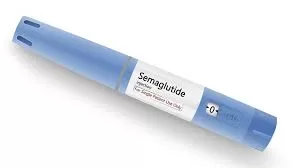
Brazil’s health regulatory agency, Anvisa, has officially approved Ozivy, the country’s first synthetic semaglutide injection pen. This watershed moment in public health comes just two months after Novo Nordisk’s patent protection for its blockbuster drug, Ozempic, expired in Latin America’s largest healthcare market. Developed by Brazilian pharmaceutical giant EMS, the newly approved medication is slated to hit pharmacy shelves within 30 days. It will launch at an estimated price 30% below current Ozempic costs, potentially reshaping treatment accessibility for millions of patients managing type 2 diabetes and chronic obesity.
Key Findings: A New Era for GLP-1 Access
The regulatory greenlight marks the first time a competing semaglutide-based treatment has cleared Anvisa since Brazil’s market opened to competition on March 20, 2026. Ozivy utilizes the exact same active pharmaceutical ingredient as Ozempic and Wegovy: semaglutide. This molecule belongs to a class of medications called GLP-1 receptor agonists, which mimic natural metabolic hormones to improve blood sugar control and induce feelings of fullness.
Anvisa has granted Ozivy a valid commercial registration through June 2036, authorizing four distinct product configurations with varying pen volumes and needle setups. Because it is a highly sensitive biologic analogue, strict distribution guidelines will apply:
-
Storage Requirements: The pens require continuous refrigeration between 2°C and 8°C both before and after the patient initiates treatment.
-
Prescription Control: In alignment with existing safety laws for the GLP-1 class, pharmacies will require a two-part medical prescription to dispense the drug.
Regulatory experts note a critical technical distinction: under Brazilian pharmaceutical laws, Ozivy is officially categorized as a “new medicine” (a synthetic analogue of an existing biological product) rather than a traditional generic, because complex biological therapies do not have identical generic equivalents. However, its practical role in the market remains the same—introducing a lower-cost, direct therapeutic alternative.
Expert Commentary: What This Means for Patients
For everyday individuals struggling to balance their medical budgets, a localized alternative could fundamentally stabilize their long-term health outcomes.
“The approval of Ozivy represents a critical inflection point in diabetes care accessibility across emerging markets,” noted Dr. Ricardo Cury, an endocrinologist at São Paulo’s Hospital das Clínicas, who was not involved in Anvisa’s regulatory review. “For patients currently paying anywhere from R$900 to R$1,300 (roughly USD 170 to 247) out of pocket every single month for Ozempic, a 30% price reduction can be the absolute deciding factor between continuing their therapy or abandoning it entirely.”
While financial analysts initially predicted price drops as deep as 80% once the patent expired, specialized manufacturing infrastructure and a global bottleneck in injector pen delivery systems have curbed those initial projections. Current consensus indicates that local manufacturing costs will likely cap early competitive discounts between 15% and 30%. Even so, EMS leadership emphasized their commitment to driving down consumer barriers. In a public statement following the approval, the Vice President of EMS affirmed that “the price will be much more accessible,” explicitly targeting demographic groups previously locked out by high costs.
Background: The Semaglutide Revolution and Patent Landscape
Semaglutide has profoundly altered the global landscape of chronic metabolic disease management. Extensive clinical research has validated its efficacy:
-
Metabolic Control: Large-scale trials demonstrate that semaglutide significantly improves a patient’s glycemic index (blood sugar tracking) and long-term body weight.
-
Cardiovascular Safety: The landmark SELECT cardiovascular outcomes trial—which monitored 17,604 adults—revealed that semaglutide reduced major adverse cardiovascular events (such as strokes and heart attacks) by 20%, elevating the drug from a simple weight-loss aid to a vital tool for cardiac preventative health.
Recognizing this clinical impact, the World Health Organization (WHO) added GLP-1 therapies to its Essential Medicines List in September 2025 for high-risk type 2 diabetes management. Shortly thereafter, in November 2025, the WHO issued its first global guideline for treating obesity with GLP-1s, formally treating chronic weight issues as a recurring disease that now impacts over 1 billion individuals globally.
The current market shift in Brazil was set in motion years prior. In February 2024, Brazil’s Superior Court of Justice unanimously denied a legal bid by Novo Nordisk to extend its exclusive patent rights, locking in the March 2026 expiration date. Anticipating the change, Anvisa had already fielded 14 separate generic and biosimilar registration requests by the start of this year.
Market Implications: A R$15 Billion Battlefield
Brazil’s market for semaglutide-based treatments was valued between R$6 billion and R$10 billion (USD 1.1–1.9 billion) in 2025. With lower pricing structures widening consumer demand, top tier banking institutions like BTG Pactual and Santander project the total addressable market could expand rapidly, potentially climbing to R$15 billion.
A fierce commercial race among domestic pharmaceutical manufacturers is already underway:
-
EMS: Leading the charge with the immediate rollout of Ozivy.
-
Hypera: Planning a secondary semaglutide market launch later in 2026.
-
Biomm: Currently refining industrial lines to commercialize highly specialized biosimilars.
-
Eurofarma: Deploying its “EuroCuida” consumer care framework to capture price-sensitive demographics.
However, industry watchdogs advise caution regarding immediate stock availability. Analysts at the Brazil Stock Guide have highlighted that because highly specialized chemical synthesis and mechanical delivery pens remain technically complex to scale, initial supply constraints could limit how quickly product reaches high-demand metropolitan hubs.
Public Health Implications and Clinical Caveats
Expanded access arrives at a crucial point for Brazil, a nation where type 2 diabetes impacts roughly 13.2% of the adult population and national obesity rates have effectively doubled since 2000. Yet, medical professionals warn that wider drug availability must not be treated as an easy, standalone fix.
The WHO’s clinical frameworks emphasize that while GLP-1 treatments are a powerful tool for weight management, “medicines alone will not solve the problem.”
“Expanded access to semaglutide is crucial, but patients must understand these medications work best alongside intensive behavioral interventions,” cautioned Dr. Medha Satyavada, a pediatric endocrinologist at Children’s National Hospital who was not involved in the Brazilian regulatory process. “A structured dietary plan and routine physical activity remain the foundation of lasting metabolic health.”
Furthermore, the WHO maintains a conditional recommendation regarding long-term GLP-1 usage for weight management. The caution stems from gaps in long-term observational data regarding what happens when a patient discontinues the drug, persistent safety monitoring, and wider socioeconomic equity concerns.
Limitations, Side Effects, and Counterarguments
Despite the historic regulatory approval, significant systemic and medical hurdles remain for the average patient:
1. Financial and Insurance Barriers
There is currently no confirmation that semaglutide will be integrated into Brazil’s Unified Health System (SUS) or covered by standard private insurance networks. Because patients must still pay out-of-pocket, the monthly cost—even with a 30% reduction—remains highly prohibitive for lower-income households in a country marked by sharp economic inequality.
2. Common Gastrointestinal Adverse Events
Clinical tracking data compiled by health bodies show that gastrointestinal side effects are frequent.
| Side Effect | Prevalence / Context |
| Nausea | Experienced by nearly one-fifth (20%) of all patients in clinical trials. |
| Other Common Symptoms | Loss of appetite, vomiting, diarrhea, and persistent constipation. |
3. Rare, Serious Risks
The medication carries rare but serious risks, including pancreatitis (severe inflammation of the pancreas). Clinical guidelines dictate that the therapy should be carefully evaluated in individuals presenting pre-existing gastrointestinal conditions, a family history of medullary thyroid carcinoma, or Multiple Endocrine Neoplasia syndrome type 2.
Additionally, while semaglutide is widely celebrated for its weight loss capabilities, EMS noted that Ozivy will initially be marketed strictly for its approved on-label indication: type 2 diabetes management. The company has already filed an extension request with Anvisa to formally expand its official marketing profile to include chronic obesity treatment.
Global Context: Market Shakeouts in 2026
The shifting patent landscape in Brazil reflects a broader global realignment. International markets are moving fast to break up manufacturing monopolies:
-
Canada & India: Both nations recently authorized their first wave of generic variants. In India, generic alternatives captured an impressive 33% of the total domestic GLP-1 market by March 2026, climbing significantly from 25% the previous month.
-
United States: In stark contrast, American consumers will not have access to affordable, regulatory-approved generic options until at least 2031 due to specialized patent extensions and secondary protective filings secured by brand-name manufacturers.
“This is a global market shakeout in 2026,” stated Robin Feldman, an expert in pharmaceutical and intellectual property law at the University of California Law San Francisco. As domestic entities like EMS prove they can successfully navigate the manufacturing and regulatory hurdles of complex biologics, emerging economies are increasingly demonstrating how to bypass historical barriers to critical modern healthcare.
Medical Disclaimer
Medical Disclaimer: This article is for informational purposes only and should not be considered medical advice. Always consult with qualified healthcare professionals before making any health-related decisions or changes to your treatment plan. The information presented here is based on current research and expert opinions, which may evolve as new evidence emerges.
References
https://www.reuters.com/legal/litigation/brazil-approves-first-generic-semaglutide-pen-after-ozempic-patent-expiry-2026-05-26/