 0
0
 0
0
In a significant revelation for public health and organ transplantation in India, a recent study spearheaded by the All India Institute of Medical Sciences (AIIMS), New Delhi, exposed a glaring deficiency in the training of physicians responsible for certifying brain death. The study, conducted among 177 neurosurgeons, neurologists, and critical care specialists, indicated that fewer than 50% had received formal training on brain death certification during their MBBS course, a fundamental step towards organ donation. This discovery underlines systemic gaps in medical education and practice that have far-reaching implications for India’s organ donation landscape, which currently remains critically low compared to global standards.
Key Findings and Study Overview
The AIIMS study involved a comprehensive survey of specialist doctors engaged in brain death certification, a clinical diagnosis that determines irreversible cessation of all brain activity, including the brainstem. The certification process is indispensable for legally and ethically retrieving organs from deceased donors. Despite the gravity of this diagnosis, the study found:
-
37.3% of respondents reported no fixed curriculum dedicated to brainstem death certification (BDC) during residency training.
-
Only 10% regularly impart training on brain death certification to medical residents.
-
About 22.6% of the specialists never trained residents on brain death certification or organ donation procedures.
-
A significant proportion of doctors worked in major teaching hospitals equipped with transplant centers, yet brain death certification remained underutilized.
-
Lack of a standardized checklist for brain death declaration was noted in many hospitals, risking missed tests or improper documentation.
The survey highlighted a discord between the increasing number of potential donors and the actual certification of brain death necessary for organ retrieval.
Expert Perspectives and Implications
Dr. Anil Gupta, a neurosurgeon with extensive experience, emphasized the educational void, stating, “During my entire medical and post-graduate training, there was no structured practical teaching on brain death certification. This gap directly affects the readiness of doctors to certify brain death confidently.” The specialist community recognizes that bridging this gap is essential to augment organ donation rates, which in India remain below one per million population annually—drastically lower than in countries like Spain, where the rate exceeds 30 per million.
Public awareness and familial consent also emerged as critical barriers. The majority of surveyed physicians pointed to lack of public knowledge about brain death and organ donation as significant hindrances, while 62% cited family refusals as a primary reason organ donation does not proceed even when brain death is certified.
Context and Medical Background
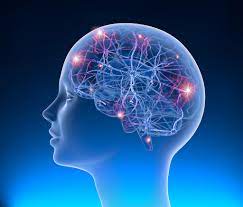
Brain death is defined medically and legally as the irreversible cessation of all brain functions, including those of the brainstem which regulate essential autonomic functions such as breathing. Certification typically involves multiple clinical tests, including absence of response to pain stimuli, absence of brainstem reflexes including pupillary and corneal reflexes, and failure to breathe independently.
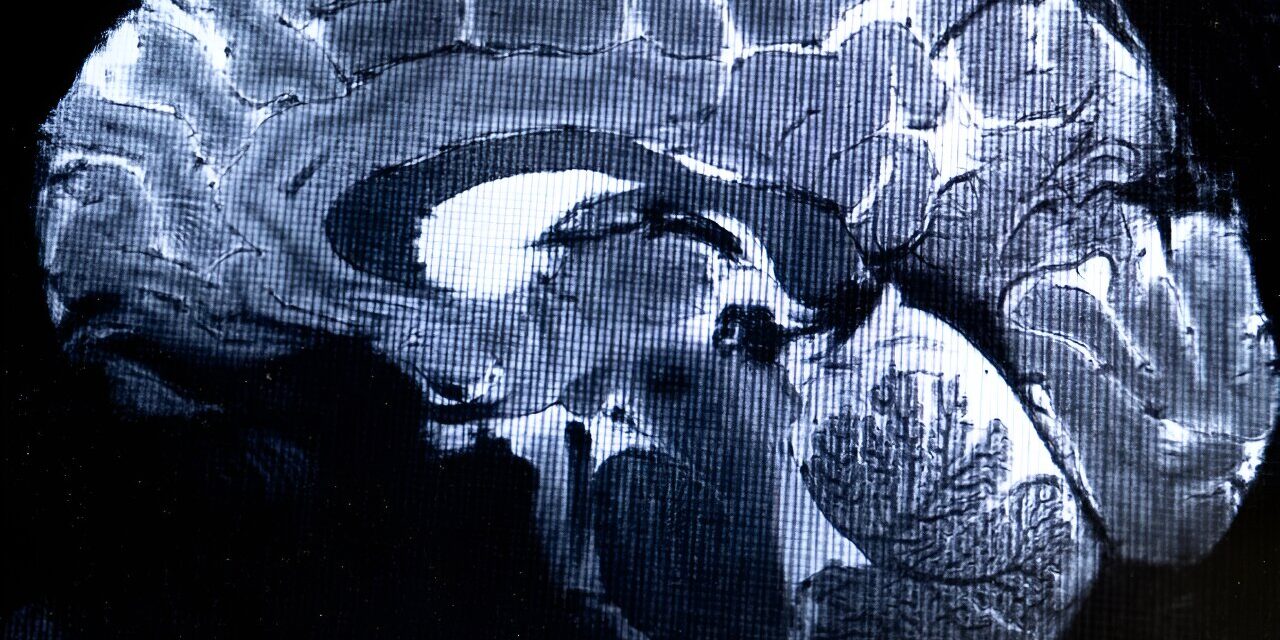
In India, brain death certification requires confirmation by a medical board including neurologists or neurosurgeons, physicians, and hospital administrators; two assessments are done six to twelve hours apart. Ancillary tests like cerebral blood flow imaging (CT angiography or perfusion imaging) are used when clinical tests are inconclusive or impractical. Despite these protocols, the study reveals inconsistency in practice and underuse of ancillary testing.
Public Health Implications
The shortfall in physician training and protocol standardization directly affects the organ donation ecosystem. India’s organ donation rate remains far below international benchmarks despite the high volume of traumatic brain injuries and other causes leading to potential donor death. Improved training could increase the number of certified brain deaths, thereby expanding the donor pool.
Additionally, heightened public education campaigns could mitigate familial refusal rates. Enhancing trust and understanding around brain death and the organ donation process is essential for community acceptance and participation.
Limitations and Ongoing Challenges
The study acknowledges that brain death determination remains complex, requiring expert clinical judgment. Imaging tests, while helpful, have limitations and can be difficult to interpret accurately without specialized training. Moreover, societal and cultural factors influencing family consent pose persistent challenges.
Experts also caution that clinical teaching must evolve to accommodate advances in diagnostic modalities and the ethical nuances of brain death certification in diverse healthcare settings.
Practical Takeaways for Readers
For the general public, understanding brain death as a strict, irreversible medical condition distinct from coma or vegetative state is critical. It is the legal and clinical definition of death that enables safe and ethical organ donation—a life-saving gift to others with organ failure.
Healthcare professionals can advocate for continuous education on brain death protocols to ensure accurate certification, while families faced with such situations may benefit from clear, compassionate communication empowered by growing awareness.
Medical Disclaimer: This article is for informational purposes only and should not be considered medical advice. Always consult with qualified healthcare professionals before making any health-related decisions or changes to your treatment plan. The information presented here is based on current research and expert opinions, which may evolve as new evidence emerges.
References:
-
AIIMS Study on Brain Death Certification Gaps, Indian Express, Published October 3, 2025.