 0
0
 0
0
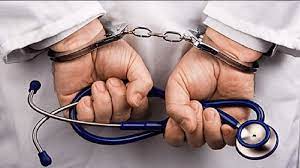
BENGALURU – Three young orthopaedic doctors were arrested by Bengaluru City Police this week after a video of their Sunday night “joyride” went viral, appearing to show the trio triple-riding a motorcycle while one consumed alcohol in full public view. The incident, which occurred around 10:00 PM on the high-traffic stretch between Jayadeva Junction and BTM Layout, has ignited a national conversation regarding the intersection of professional medical ethics, public health responsibility, and the escalating risks of impaired driving.
The Incident: A High-Visibility Lapse in Judgment
According to reports from the Bengaluru City Police, the authorities registered a case suo motu after reviewing CCTV footage and social media clips that flooded local networks. The riders, identified as doctors attached to prominent private medical colleges and hospitals in the city, were filmed weaving through traffic.
None of the riders were wearing helmets, a violation compounded by the fact that the motorcycle was carrying three people—a practice known as “triple riding” that significantly destabilizes two-wheeled vehicles. Perhaps most jarring to the public was the sight of the rear pillion passenger holding and drinking from what appeared to be a beer bottle. While no crash or injuries were reported, the doctors now face multiple charges, including negligent riding and consumption of alcohol in a public place. They have since been released on bailable charges as investigations continue.
The Public Health Calculus: Why “Joyrides” Are Deadly
While the incident ended without physical harm, public health experts emphasize that the behaviors exhibited are the leading contributors to road traffic fatalities globally.
-
Alcohol and Impairment: According to a global review supported by the World Health Organization (WHO), approximately 17% of all road-traffic-injury deaths worldwide are attributable to alcohol use. In many regions, this figure climbs to one-third of all motor-vehicle deaths.
-
The Vulnerability of Motorcyclists: A 2019 global estimate found that 6.6% of all road injuries were directly linked to alcohol, with motorcyclists facing the highest population-attributable risk.
-
The “Triple Threat”: Combining alcohol with speeding and the non-use of helmets creates a “perfect storm” for traumatic brain injuries (TBI). Road injuries account for over 1.3 million deaths annually, contributing to 67 million disability-adjusted life years (DALYs) lost.
“We see the devastating end-results of these choices every night in the ER,” says Dr. Ananya Deshpande, a consultant in emergency medicine at a major urban hospital (not involved in this case). “Many serious head injuries involve young riders who either skipped the helmet or had ‘just one drink.’ The recovery from such trauma is often prolonged, expensive, and unfortunately, sometimes incomplete.”
Professional Ethics: Does “Off-Duty” Mean “Off the Hook”?
The arrest has forced a spotlight on the National Medical Commission (NMC) and its standards for physician conduct. While the doctors were off-duty, the NMC’s Registered Medical Practitioner (Professional Conduct) Regulations suggest that the line between private life and professional status is thin.
Draft provisions from the NMC state that the use of alcohol or intoxicants that “can affect professional practice” or bring the profession into disrepute constitutes misconduct. Depending on the severity, a doctor found guilty of such behavior could face a license suspension ranging from three months to three years.
The core ethical argument is one of trust and role-modeling. “Even when doctors are off-duty, their public actions influence how the community perceives medical advice,” explains Dr. Rakesh Kumar, a Bengaluru-based public health specialist. “If the very people who treat road trauma are seen disregarding safety laws, it erodes the weight of health campaigns regarding helmets and sober driving.”
The Social Media Amplification Effect
In the digital age, a lapse in judgment is no longer a private matter. Experts warn of the “social media amplification effect,” where risky behavior can be inadvertently glamorized or normalized if it goes viral. Conversely, when such behavior is met with swift legal action, it serves as a stark public service announcement.
For healthcare professionals, the “white coat” is a symbol that carries weight even when it is tucked away at home. The public looks to clinicians as the ultimate arbiters of health-conscious behavior. When that image is fractured by visible law-breaking, the damage to the patient-provider relationship can be systemic.
Practical Implications: What This Means for You
The takeaway for the general public remains clear, regardless of the professions of those involved in this specific case:
-
Zero Tolerance for Impairment: Alcohol impairs reaction time and spatial judgment long before a person “feels drunk.” If you are operating a vehicle, the only safe blood alcohol level is zero.
-
Helmet Integrity: A certified helmet is the single most effective way to prevent death from a motorcycle crash. Ensure both the rider and passenger are equipped.
-
Vehicle Limits: Motorcycles are engineered for a maximum of two people. Triple riding shifts the center of gravity, making emergency maneuvers nearly impossible.
-
Conscious Consumption: Avoid sharing or “liking” videos that depict dangerous stunts, as this contributes to the normalization of high-risk behavior among younger audiences.
Moving Forward: Due Process and Accountability
As of late March 2026, the legal proceedings against the three doctors are ongoing. It remains to be seen whether the Karnataka Medical Council or the NMC will initiate formal disciplinary reviews. While the law maintains a presumption of innocence until proven guilty, the court of public opinion has already raised a vital question: Should those sworn to save lives be held to a higher standard in how they risk their own?
Ultimately, this incident serves as a sobering reminder that road safety is a collective responsibility. Whether a doctor, a student, or a professional, the physics of a crash do not discriminate based on a degree.
Medical Disclaimer: This article is for informational purposes only and should not be considered medical advice. Always consult with qualified healthcare professionals before making any health-related decisions or changes to your treatment plan. The information presented here is based on current research and expert opinions, which may evolve as new evidence emerges.
References
-
-
De Sarkar, R. (2026, March 24). Viral video shows three Bengaluru doctors drinking while triple riding; arrested. Medical Dialogues.
-