 0
0
 0
0
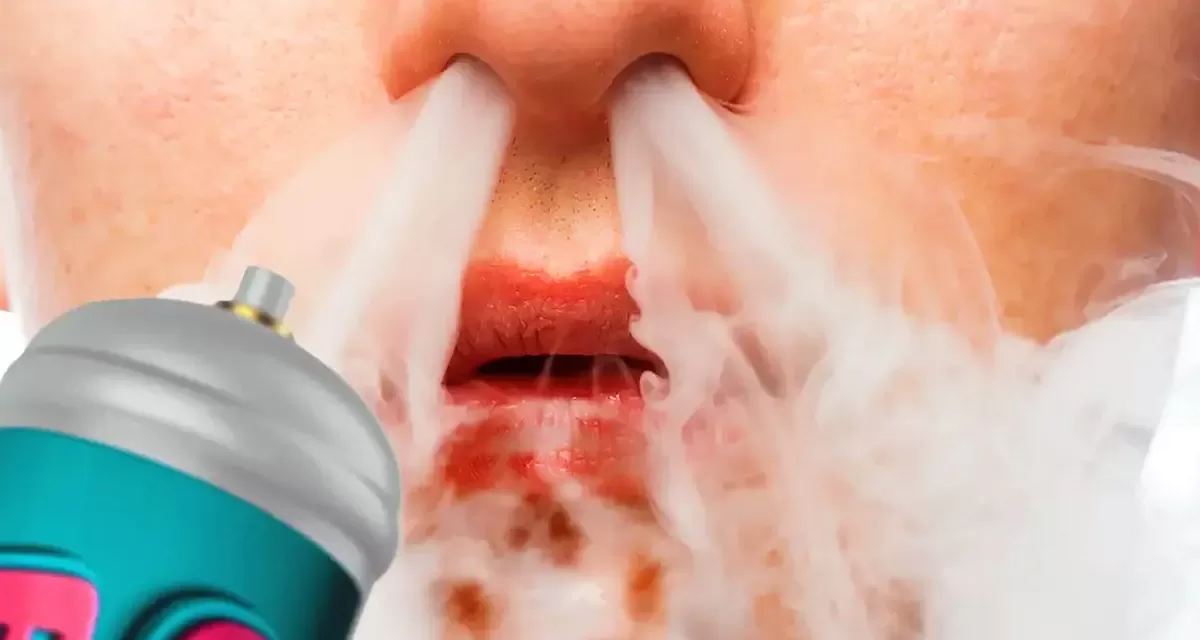
NEW DELHI — Walk onto almost any college campus or trendy urban hangout in India today, and a distinct pattern emerges. You will likely spot sleek, metallic devices, thick clouds of sweet-smelling vapor, and small, colorful tins of nicotine pouches tucked into pockets. Young Indians who would never have touched a traditional, combustible cigarette are increasingly turning to these new-age alternatives in numbers that are raising serious alarms within the medical community.
Despite India’s comprehensive 2019 ban on the production, import, sale, and advertising of electronic cigarettes, these products remain widely available through illicit supply chains and online channels. Aggressively marketed under the guise of lifestyle accessories, they have sparked a quiet public health crisis. As global data from the World Health Organization (WHO) indicates that over 100 million people vape worldwide—including an estimated 15 million children aged 13 to 15—Indian oncologists, pulmonologists, and public health experts are unites in a clear message: the absence of smoke does not mean the absence of harm.
The Core Misconception: “Smoke-Free” Is Not “Risk-Free”
The rapid adoption of electronic nicotine delivery systems (ENDS) and novel smokeless products is driven primarily by a pervasive belief among adolescents and young adults that they are entirely safe. Because these products do not rely on tobacco combustion, users assume they escape the deadly carcinogens associated with standard cigarette smoke.
“The common myth that vaping is safer than smoking is totally incorrect,” warns Dr. A.K. Dewan, Director of Surgical Oncology at the Rajiv Gandhi Cancer Institute and Research Centre (RGCIRC) in New Delhi. “The harm was never only about smoke. It is about nicotine, and every one of these products delivers it.”
Medical experts emphasize that labeling a product “smoke-free” creates a false sense of security. Nicotine itself is a highly addictive cardiotoxic substance that triggers immediate physiological changes, regardless of whether it is inhaled via vapor or absorbed through the oral mucosa via a pouch.
What Is Actually in the Aerosol?
Another critical layer of the problem involves the chemical composition of what users are inhaling. Unlike harmless water vapor, e-cigarette aerosol is a complex chemical mixture.
Dr. Deepak Jha, Chief of Breast Surgery and Senior Consultant in Surgical Oncology at Artemis Hospitals in Gurugram, explains the physical risks:
“Many young people think vaping carries no risk because there is no combustion, no smoke. But e-cigarette aerosol can contain harmful chemicals, ultrafine particles, and irritants that affect the lungs and airways.”
The liquid solutions used in vapes typically consist of propylene glycol, glycerin, heavy metals (such as nickel, tin, and lead), volatile organic compounds, and complex chemical flavorings. While many of these flavorings are approved for ingestion in food, they were never tested or intended for deep inhalation into human lung tissue.
While these products are relatively new, long-term epidemiological data has begun to surface. A major analysis led by Johns Hopkins Medicine examined health data from nearly 250,000 individuals over a four-year period. The findings revealed that exclusive e-cigarette use was significantly associated with chronic obstructive pulmonary disease (COPD) and hypertension (high blood pressure) in adults. While the association was statistically stronger for traditional combustible cigarettes, the data proved conclusively that exclusive vaping carries substantial, independent respiratory and cardiovascular risks.
The Developing Brain Under Siege
Beyond the physical impact on the lungs, the primary neurological concern centers on how nicotine interacts with an adolescent’s anatomy. The human brain undergoes critical development well into a person’s mid-twenties, with the prefrontal cortex—the area responsible for executive functions like decision-making, attention, and impulse control—being the last to fully mature.
“Nicotine adversely affects brain development, concentration, mood, and impulse control in teens and young adults,” notes Dr. Dewan.
Introducing a highly potent addictive chemical during this developmental window can alter the formation of brain synapses. Dr. Rajesh Gupta, a specialist at Fortis Hospital, reinforces this warning, stating that nicotine exposure during youth alters attention, learning, memory, and emotional regulation. “There is no safe level of vaping, and even occasional use can be a gateway to long-term addiction and chronic illness,” Dr. Gupta adds.
Furthermore, public health experts track what is known as the “gateway effect.” Evidence suggests that early exposure to nicotine primes the brain’s reward pathways, making young users significantly more vulnerable to future substance use disorders. Dr. Dewan warns:
“Nicotine addiction at an early stage can increase the risk of long-term tobacco dependency and may eventually push younger users toward cigarette smoking. The vape that felt like a safe experiment can become the on-ramp to something much harder to leave behind.”
Nicotine Pouches: The Discreet Danger
As vaping faces increased scrutiny, another category has rapidly gained traction among Indian students: smokeless, spitless nicotine pouches. Placed between the lip and gum, these small pouches dissolve silently, making them completely undetectable in environments like classrooms or libraries where vapor clouds would instantly draw attention.
However, moving the chemical delivery from the lungs to the mouth does not mitigate the danger. “Regular use can increase heart rate and blood pressure, irritate the gums, and create nicotine dependence just as effectively as any other delivery method,” states Dr. Jha.
Dr. Dewan points to clear oral health liabilities, including gum recession, chronic mouth irritation, and periodontal disease, alongside elevated cardiovascular risks. “The fact that you can use a nicotine pouch silently in a classroom doesn’t make it harmless—it just makes it easier to hide,” he remarks. Legally, these products exist in a complex grey zone in India, running afoul of both the spirit of the 2019 e-cigarette ban and strict food safety regulations that prohibit nicotine as an ingredient in consumer food items.
Documented Clinical Impacts
To help visualize the broad physiological consequences of these new-age nicotine delivery systems, the following table summarizes the immediate symptoms and established long-term risks documented by Indian medical institutions:
| Health Category | Immediate Symptoms | Potential Long-Term Risks |
| Respiratory | Persistent coughing, dry throat, shortness of breath, acute chest discomfort | Irreversible lung damage, accelerated COPD, weakened pulmonary immunity, recurrent infections |
| Cardiovascular | Spikes in resting heart rate, acute elevation of blood pressure | Structural heart disease, arterial stiffness, increased risk of ischemic events |
| Mental Health | Sudden mood fluctuations, irritability, heightened anxiety | Chronic depression, permanent impulse control deficits, altered emotional baseline |
| Oral Health | Localized gum inflammation, white patches, tissue irritation | Advanced periodontal disease, chronic oral lesions, premature tooth loss |
| Physical Safety | Acute trauma or burns from localized device malfunctions | Severe facial or hand injuries stemming from lithium-ion battery explosions |
Dr. K.K. Handa, Chairman of ENT, Head and Neck Surgery at Medanta Hospital in New Delhi, underscores the psychological toll: “Over time, vape addiction can cause severe and serious mental issues like depression and anxiety. There is also a physical safety concern, as the devices used for vaping can sometimes catch fire. So, vaping is not safe at all.”
Predatory Marketing and the Path Forward
If the contents of these products are hazardous, their marketing strategies are arguably just as dangerous. Manufacturers utilize bright, minimalist packaging resembling high-end tech gadgets, combined with thousands of youth-appealing flavors like mango, mint, and strawberry.
“That’s the strategy,” explains Dr. Jha. “Reach the people who’d say no to a traditional cigarette by making the product look and smell nothing like one.”
Dr. Dewan points out that this is an intentional, corporate effort to secure a new generation of consumers. “The tobacco and nicotine industries understand that lifelong customers are made young. And in India, where digital enforcement is still catching up, there’s significant room to operate via social media influencers and proxy marketing.”
To counter this epidemic, India’s medical community is calling for a multi-pronged approach combining strict law enforcement, proactive parental guidance, and mandatory school-level public health education.
Dr. Harish Bhatia, Director and Head of Respiratory Medicine at MGS Super Speciality Hospital, Punjabi Bagh, emphasizes the national urgency of the situation: “The lungs of teens need protection, not pollution from vapes. Any teen that is vaping needs immediate course correction. Only with good lungs will there be the beginning of Viksit Bharat (Developed India).”
Because these products have only been widely available for roughly a decade, users are effectively participating in an ongoing, uncontrolled epidemiological experiment. The full scope of their long-term health consequences remains to be seen—but the immediate diagnosis of dependency and cellular damage is already indisputable.
Medical Disclaimer
Medical Disclaimer: This article is for informational purposes only and should not be considered medical advice. Always consult with qualified healthcare professionals before making any health-related decisions or changes to your treatment plan. The information presented here is based on current research and expert opinions, which may evolve as new evidence emerges.
References
https://health.economictimes.indiatimes.com/news/industry/vapes-nicotine-pouches-and-e-cigarettes-the-new-age-tobacco-habits-doctors-want-young-indians-to-rethink/131438435?utm_source=latest_news&utm_medium=homepage