 0
0
 0
0
KOLKATA — A 10-year-old boy from the Garia neighborhood of Kolkata has tested positive for Covid-19 and is currently undergoing treatment at a local private hospital. The case, confirmed on July 19, 2026, has prompted public health experts and pediatricians across the region to issue fresh advisories urging parents and caregivers not to dismiss respiratory symptoms as routine monsoon ailments. While the child’s condition is reported as stable, the diagnosis highlights the ongoing circulation of SARS-CoV-2 alongside typical seasonal infections.
Clinical Presentation and Immediate Response
According to hospital updates, the young patient was admitted over the weekend presenting with a cluster of acute symptoms, including a high fever, persistent cough, and marked shortness of breath. A subsequent diagnostic swab test confirmed the presence of the SARS-CoV-2 virus.
Of clinical concern to the medical team was an initial chest X-ray, which revealed signs of pneumonia in the boy’s right lung. Consequently, clinicians transferred the child to the hospital’s pediatric intensive care isolation unit for continuous hemodynamic monitoring and specialized respiratory support.
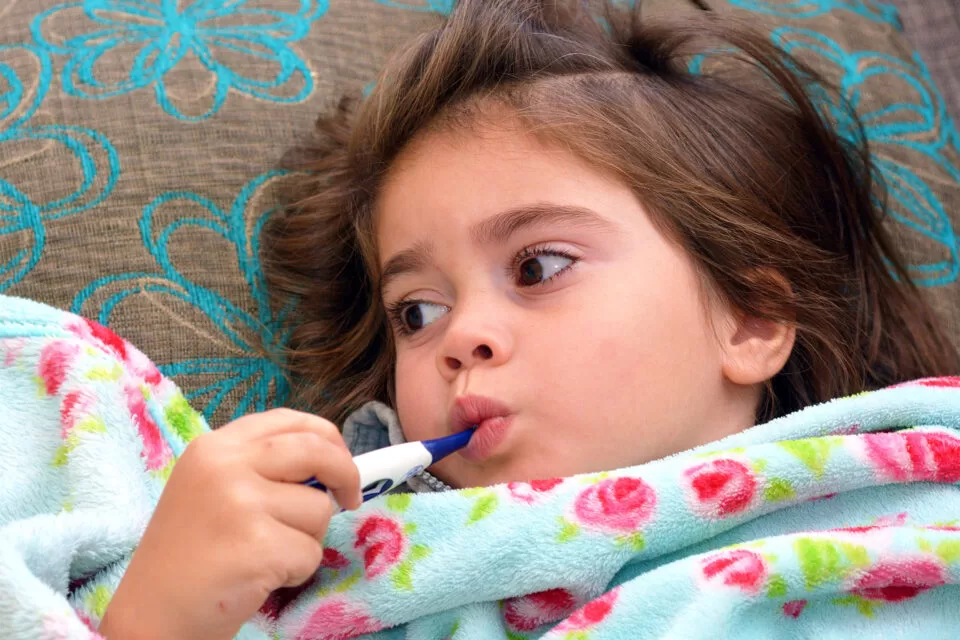
Dr. Saheli Dasgupta, the treating pediatrician, noted that the patient had experienced progressive symptoms of a fever, cold, and cough for three to four days prior to hospital admission.
“Because Covid-19 is a viral illness, our therapeutic protocol is strictly focused on supportive care, including targeted nebulization therapy to alleviate airway constriction, rather than the indiscriminate use of antibiotics,” Dr. Dasgupta stated.
In accordance with standard infection control protocols, the boy’s mother has been placed in an isolation ward, with hospital staff scheduling diagnostic testing to determine her infection status.
The Monsoon Conundrum: Overlapping Diagnostic Shadows
The detection of a severe pediatric Covid-19 case at this juncture underscores a perennial challenge for healthcare providers in South Asia: the arrival of the monsoon season invariably triggers a sharp uptick in acute respiratory infections (ARIs).
During this high-incidence period, the clinical presentations of influenza, respiratory syncytial virus (RSV), dengue, and various adenoviruses heavily overlap with Covid-19. According to data from the World Health Organization (WHO), currently circulating subvariants of SARS-CoV-2 primarily manifest as:
-
Fever or chills
-
Sore throat and runny nose
-
Persistent cough
-
Fatigue and muscle aches
However, public health agencies emphasize that more severe manifestations, particularly shortness of breath or labored breathing, serve as critical indicators of lower respiratory tract involvement.
Guidelines issued by the Centers for Disease Control and Prevention (CDC) for pediatric healthcare providers reiterate that while children frequently exhibit milder systemic symptoms than adults, the initial presentation can easily mimic a standard “seasonal fever.” The emergence of secondary complications like viral pneumonia requires early diagnostic differentiation to ensure appropriate triage and management.
Global and Regional Public Health Context
The localized report from West Bengal coincides with a period where epidemiological surveillance networks in parts of India have noted modest fluctuations in Covid-19 detections. Epidemiologists emphasize that these low-level clusters do not currently signal a major public health crisis, as the vast majority of breakthrough infections remain mild or asymptomatic.
Globally, Covid-19 maintains a persistent baseline presence. Since the initial outbreak in December 2019, the WHO has logged over 780 million confirmed cases and more than 7.1 million deaths worldwide. Public health officials widely acknowledge that these figures represent a conservative baseline, with the true global disease burden significantly higher due to variations in testing availability and self-reporting behaviors.
While the overwhelming majority of pediatric patients recover fully with standard home care, severe clinical outcomes remain a statistical reality. Beyond acute pneumonia, international pediatric registries maintained by the WHO indicate that a small percentage of children remain vulnerable to rare but serious post-infectious inflammatory syndromes, such as Multisystem Inflammatory Syndrome in Children (MIS-C), which can manifest weeks after the initial viral clearance.
Expert Perspectives: A Call for Measured Alertness
Public health authorities stress that the primary takeaway for the public should be clinical awareness rather than alarm.
“The most important message for families right now is to remain calm but avoid delaying essential medical evaluations when red-flag symptoms develop,” noted Dr. Dasgupta. This recommendation directly aligns with international clinical guidelines, which dictate that signs of respiratory distress, cyanosis (bluish tint around the lips), sudden confusion, or inability to interact normally demand immediate emergency medical intervention.
To gain an outside perspective on the case, Health News Portal spoke with Dr. Arvind Malhotra, a pediatric respiratory specialist unaffiliated with the patient’s care.
“For families navigating the monsoon season, the practical lesson here is that a fever paired with a progressive cough shouldn’t automatically be chalked up to ‘just a common cold,'” Dr. Malhotra explained. “If a child exhibits fast breathing, a drop in peripheral oxygen saturation below 94%, or a high fever that resists standard antipyretics for more than 72 hours, an objective medical evaluation needs to happen swiftly. Waiting for symptoms to ‘settle’ on their own can narrow the window for effective supportive intervention.”
What This Means for Caregivers and Public Health Action
For the general public, the statistical probability of a child developing severe illness from Covid-19 remains low. However, this case serves as a reminder of the core preventative measures recommended by global health bodies to mitigate household and community transmission:
                  [ Symptomatic Individual ]
                              │
               ┌──────────────┴──────────────┐
               ▼                             ▼
       [ Stay at Home ]             [ If Leaving Home ]
    Isolate from vulnerable              Wear a well-fitted
       family members.                     surgical/N95 mask.
-
Targeted Ventilation: Maximizing indoor airflow by opening windows or utilizing air filtration systems substantially lowers viral particulate loads in shared living spaces.
-
Hand Hygiene: Maintaining rigorous hand hygiene practices remains a highly effective defense against a broad spectrum of monsoon-driven pathogens.
-
Clinical Isolation: The hospital’s decision to isolate the patient and test close contacts underscores the continued necessity of nosocomial (hospital-based) surveillance to protect vulnerable, immunocompromised patients within healthcare settings.
Study Limitations and Analytical Caution
Public health analysts urge caution when interpreting single-patient hospital reports. A solitary case of pediatric Covid-19 pneumonia cannot be used to infer broader epidemiological trends, a changing virulence profile of current variants, or the start of a wider community surge within India.
Furthermore, from a strict clinical standpoint, the detection of pneumonia on a chest radiograph does not automatically imply that SARS-CoV-2 is the sole causative agent behind the lung inflammation. In pediatric medicine, co-infections—where a child is concurrently infected with both a virus and a secondary bacterial pathogen—are common during the monsoon season.
Attending physicians must continuously evaluate the complete clinical picture, integrating diagnostic test sensitivities, molecular blood panels, and physical exam findings before drawing absolute conclusions regarding a patient’s primary pathology.
Reference Section
-
NDTV Health News Syndicate. 10-Year-Old Boy Tests Positive For Covid-19 In Kolkata; Condition Stable. Published July 18–19, 2026. On-the-ground regional reporting covering hospital admissions, clinical status updates, and local medical advisories.
Medical Disclaimer: This article is for informational purposes only and should not be considered medical advice. Always consult with qualified healthcare professionals before making any health-related decisions or changes to your treatment plan. The information presented here is based on current research and expert opinions, which may evolve as new evidence emerges.