 0
0
 0
0
February 19, 2026
For decades, the standard prescription for the 500 million people worldwide living with osteoarthritis has been simple: keep moving. Clinical guidelines from the American College of Rheumatology to the National Institute for Health and Care Excellence (NICE) have long positioned exercise as the first-line, non-drug defense against the grinding pain of joint degeneration.
However, a provocative new “umbrella review” published this week in RMD Open is shaking the foundations of that recommendation. Researchers from institutions including the Bochum University of Applied Sciences in Germany have concluded that for many patients, the benefits of exercise are “minimal and short-lived,” providing relief that often fails to outperform simple patient education or even placebo treatments. The findings suggest that while movement remains a pillar of general health, its role as a primary “treatment” for osteoarthritis (OA) symptoms may have been significantly oversold.
A Massive Data Dive Reveals Modest Gains
The study is one of the most comprehensive looks at the topic to date, pooling data from over 12,000 participants across 28 randomized clinical trials and five systematic reviews. The research team compared various exercise regimens—including aerobic, strengthening, and flexibility routines—against a wide range of alternatives, such as painkillers, steroid injections, manual therapy, and joint replacement surgery.
The results were notably underwhelming for those hoping for a “cure” through the gym:
-
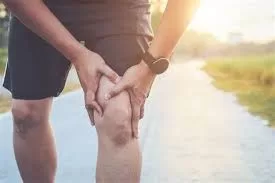
Knee Osteoarthritis: Exercise provided small, short-term pain reductions compared to no treatment, but the researchers categorized the evidence as “very low certainty.” In larger, higher-quality trials, these benefits became even smaller.
-
Hip Osteoarthritis: The effects of exercise were found to be “negligible” with moderate certainty.
-
Hand Osteoarthritis: Benefits were classified as small and inconsistent.
Crucially, the study found that exercise outcomes were often no better than “usual care” or basic patient education. While exercise did perform better than doing nothing in the very short term, it was significantly less effective than surgical interventions like osteotomy or joint replacement for long-term functional recovery.
“The evidence on exercise for osteoarthritis remains largely inconclusive, suggesting negligible or short-lasting small effects,” the study authors stated, urging a “research rethink” regarding how we manage this chronic condition.
The Biological Reality of Osteoarthritis
To understand why exercise might be failing to live up to the hype, one must look at the disease itself. Osteoarthritis is not just “wear and tear”; it is a complex inflammatory process involving the breakdown of protective cartilage, changes to the underlying bone, and the thinning of synovial fluid that lubricates the joint.
While movement helps maintain the muscles surrounding a joint, it cannot regrow lost cartilage. The new analysis suggests that the “placebo effect”—the psychological benefit of simply taking action—may account for a larger portion of exercise’s reported success than previously thought.
A Growing Divide in Medical Opinion
The findings have sparked immediate debate within the rheumatology community. The results stand in contrast to a 2025 BMJ network meta-analysis of over 15,000 patients, which suggested that aerobic exercise “probably yields large” short-term pain relief.
Dr. Kim Bennell, a Professor of Physiotherapy at the University of Melbourne and a leading OA expert not involved in the RMD Open study, offers a more nuanced perspective. While she acknowledges that long-term data on exercise is sparse, she cautions against discarding it entirely.
“While not a cure, exercise is safe, cheap, and offers holistic benefits like weight management,” Dr. Bennell noted in a related commentary. “The challenge is that the effect size is often small-to-moderate (roughly 0.4 to 0.6), and those gains are only sustained if the patient adheres to the program, which is notoriously difficult.”
Indeed, trial data shows that dropout rates for exercise programs often hit 50%, as patients find it difficult to push through the very pain they are trying to solve.
Shifting Toward “Multimodal” Care
For public health officials, the implications are significant. In regions like India, where the ICMR reports an OA prevalence exceeding 20% in those over age 50, a shift away from exercise-only strategies could change the lives of millions.
If exercise provides only marginal relief, experts suggest moving toward multimodal strategies. This means exercise should be one tool in a larger toolkit that includes:
-
Weight Management: Reducing body weight by just 5–10% has been shown to cut joint pain by up to 50%.
-
Pharmacology: Strategic use of anti-inflammatories or injections when lifestyle changes aren’t enough.
-
Education: Helping patients understand the limits of their condition to reduce the frustration of “unmet expectations.”
What Should Patients Do Now?
If you are currently using exercise to manage your joint pain, should you stop? The consensus remains a firm “no,” but with a major caveat: Manage your expectations.
“The value of exercise often lies in preventing other problems,” says Dr. Elizabeth Dean, a physiotherapist who has authored past reviews on the subject. “It helps with cardiovascular health, mood, and weight—all of which make living with osteoarthritis easier, even if the joint itself doesn’t ‘heal’.”
Practical Advice for the Health-Conscious:
-
Choose Low-Impact: Swimming, cycling, and rowing are easier on the joints than running or high-impact aerobics.
-
Start Slow: Current global guidelines suggest 150 minutes of moderate activity per week, but you may need to build up to this over months.
-
Personalize the Plan: What works for a 50-year-old with mild knee pain will not work for a 75-year-old with advanced hip degeneration. Consult a physical therapist for a tailored routine.
-
Combine with Weight Loss: If you are carrying extra weight, exercise alone is rarely enough. The mechanical load on the joints must be reduced.
While the “runner’s high” might not be a magic bullet for a failing knee, the broader benefits of staying active—for your heart, your mind, and your waistline—remain undisputed. The era of exercise as a standalone “prescription” for osteoarthritis may be ending, but its role as a foundation for healthy aging is as strong as ever.
Medical Disclaimer: This article is for informational purposes only and should not be considered medical advice. Always consult with qualified healthcare professionals before making any health-related decisions or changes to your treatment plan. The information presented here is based on current research and expert opinions, which may evolve as new evidence emerges.
References
https://www.newsdrum.in/national/analysis-suggests-minimal-effects-of-exercise-in-easing-osteoarthritis-11126406