 0
0
 0
0
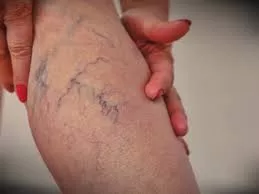
NEW DELHI — To millions of people, swollen, twisted leg veins are often dismissed as an inevitable sign of aging or a purely cosmetic nuisance. However, growing clinical evidence from across India reveals a far more serious reality: chronic venous disease is widespread, frequently underdiagnosed, and capable of causing debilitating long-term complications if left untreated.
Recent epidemiological surveys estimate that varicose veins affect roughly 25% to 30% of adults in India. In certain regional population studies, the numbers are even higher, with up to 46.7% of women and 27.8% of men presenting with the condition. As awareness grows, healthcare specialists emphasize that timely evaluation—specifically using a specialized diagnostic tool known as a duplex ultrasound scan (often referred to as a vascular Doppler test)—is crucial for preventing irreversible skin damage, chronic pain, and dangerous blood clots.
What Causes Varicose Veins?
Varicose veins occur when the tiny, one-way valves inside leg veins fail to function properly. Normally, these valves pump oxygen-depleted blood upward, against gravity, toward the heart.
When these valves weaken or fail:
-
Blood flows backward (venous reflux).
-
Fluid pools in the lower legs.
-
Over time, the increased pressure causes the veins to stretch, swell, and twist into visible, raised cords beneath the skin.
Normal Valve Action          Failing Valve (Reflux)
   [ Heart ]                    [ Heart ]
      ^                            ^
      | (Upward Flow)              | (Backflow)
   (Valve)  <-- Closes          (Valve)  <-- Fails to Close
      |                            |
   [ Feet ]                     [ Pooling Blood ]
While anyone can develop venous insufficiency, specific risk factors significantly increase the likelihood of valve failure. Prolonged standing—common among retail workers, healthcare professionals, factory workers, and teachers—places immense hydrostatic pressure on lower-limb blood vessels. Aging, obesity, pregnancy, and a genetic predisposition further compound this risk.
When a Nuisance Becomes a Medical Concern
For many individuals, early-stage varicose veins cause mild discomfort. However, as fluid continues to pool in the lower extremities, progressive tissue damage can occur.
“Varicose veins are too often written off as merely an aesthetic issue,” explains Dr. Rajesh Sharma, a senior vascular surgeon not involved in the latest population studies. “When patients ignore persistent swelling or skin discoloration, they risk advancing from simple valve incompetence to severe chronic venous insufficiency. Early diagnostic imaging allows us to intervene long before open ulcers or permanent skin damage develop.”
Key Symptoms That Require Medical Evaluation
Healthcare guidelines recommend seeking a professional clinical evaluation if you experience any of the following symptoms:
-
Persistent Pain and Heaviness: A continuous dull ache, throbbing, or burning sensation in the legs that worsens after prolonged standing or sitting.
-
Progressive Swelling (Edema): Tightness or visible swelling around the ankles and calves, particularly toward the end of the day.
-
Skin Changes (Trophic Changes): Darkening or hyperpigmentation of the skin around the lower shin and ankle, often accompanied by dry, itchy, or eczema-like skin (stasis dermatitis).
-
Hard, Tender Veins: Firmness or severe tenderness along a surface vein, which may indicate superficial vein thrombosis (a localized blood clot).
-
Venous Ulcers: Open, slow-healing sores near the ankle region caused by chronic high pressure in the lower leg veins.
-
Bleeding: Any spontaneous or trauma-induced bleeding from a dilated surface vein requires urgent medical attention.
The Role of the Vascular Scan: When Is a Doppler Test Needed?
A frequent point of confusion for patients is determining whether every visible vein requires an advanced diagnostic scan. Clinical protocols from leading authorities, including the U.S. National Institutes of Health (NIH) and the UK’s National Institute for Health and Care Excellence (NICE), provide clear clarity on when imaging is necessary.
+-----------------------------------------------------------------------------------+
|                            DIAGNOSING VARICOSE VEINS                              |
+-----------------------------------------------------------------------------------+
                                          |
                                          v
                         +---------------------------------+
                         |  Initial Clinical Assessment    |
                         |  (Physical exam by a physician) |
                         +---------------------------------+
                                          |
                   +----------------------+----------------------+
                   |                                             |
                   v                                             v
    +------------------------------+             +-------------------------------+
    |   Mild / Cosmetic Symptoms   |             |  Symptomatic / Complicated    |
    |  • Asymptomatic spider veins |             |  • Pain, swelling, heaviness  |
    |  • No skin discoloration     |             |  • Skin darkening or eczema   |
    |  • No skin breakdown         |             |  • Non-healing lower-leg ulcer |
    +------------------------------+             |  • Recurrent varicose veins   |
                   |                             +-------------------------------+
                   v                                             |
     Conservative Management Only                                v
    (Compression, leg elevation)                 +-------------------------------+
                                                 |     Duplex Ultrasound Scan    |
                                                 | (Maps blood flow & pinpoints  |
                                                 |   leaky valves for treatment) |
                                                 +-------------------------------+
Handheld Doppler vs. Color Duplex Ultrasound
It is essential to distinguish between a simple handheld Doppler ultrasound and a color duplex ultrasound:
-
Handheld Doppler: A basic audio device that listens to blood flow sounds. While useful for quick bed-side screening, it cannot visually map deeper blood vessels or precisely identify leaking valves.
-
Duplex Ultrasound: The modern gold standard diagnostic tool. It combines traditional ultrasound imaging with Doppler technology to create detailed visual maps of blood flow velocity and direction.
Guidelines explicitly recommend duplex ultrasound—rather than basic handheld Doppler screening—to evaluate patients with symptomatic varicose veins, suspected deep vein involvement, skin changes, or recurrent disease following previous treatment.
Modern Management: Moving Beyond Major Surgery
Historically, treatment for varicose veins involved invasive surgical procedures like vein stripping, which required extended hospital stays and lengthy recovery periods.
Today, diagnostic imaging via duplex ultrasound allows physicians to perform targeted, minimally invasive therapies right in an outpatient setting:
| Treatment Method | Description | Primary Use Case |
| Endothermal Ablation | Delivers radiofrequency or laser energy to heat and seal off the damaged vein from the inside. | Primary trunk veins with confirmed reflux |
| Ultrasound-Guided Foam Sclerotherapy | Injects a specialized chemical foam into the vein to cause it to collapse and fade over time. | Tortuous branch veins or recurrent varices |
| Microphlebectomy | Removes small, localized surface veins through tiny micro-incisions that require no stitches. | Residual surface varicosities |
| Compression Therapy | Uses specialized graduated compression stockings to support blood flow mechanically. | Early-stage management or adjunct post-treatment care |
Because modern care is individualized, a diagnostic scan does not automatically mean a patient needs surgery. Many individuals manage mild symptoms successfully with lifestyle modifications, compression garments, and regular movement.
Navigating the Data: Limitations and Public Health Context
While published literature confirms that chronic venous disease affects a large share of the adult Indian population, experts caution that exact national prevalence rates remain uncertain. Prevalence studies vary widely—ranging from 15% to over 40%—depending on whether the data comes from rural community surveys, urban occupational groups, or hospital clinic settings.
Furthermore, access to advanced duplex ultrasound imaging remains heavily concentrated in urban healthcare centers. In rural and peri-urban regions, underdiagnosis remains a significant hurdle, often leading patients to present only after severe skin changes or non-healing venous ulcers have already formed.
From a public health standpoint, addressing varicose veins requires broader workplace ergonomic adjustments. Employers in retail, manufacturing, hospitality, and healthcare are encouraged to introduce regular seating breaks and promote movement for staff members required to stand for extended periods.
For everyday health decisions, individuals noticing persistent leg discomfort, swelling, or visible vein enlargement should consult a primary care physician or vascular specialist for a thorough physical examination before self-diagnosing or delaying care.
Medical Disclaimer
Medical Disclaimer: This article is for informational purposes only and should not be considered medical advice. Always consult with qualified healthcare professionals before making any health-related decisions or changes to your treatment plan. The information presented here is based on current research and expert opinions, which may evolve as new evidence emerges.
References
- https://indianexpress.com/article/lifestyle/health/25-30-of-indians-have-varicose-veins-heres-when-you-should-get-a-doppler-test-10791456/