 0
0
 0
0
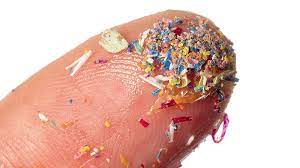
DHAKA, Bangladesh — In a comprehensive study examining personal care products in South Asia, environmental researchers in Dhaka revealed that 76.5% of tested commercial toothpaste samples contain microplastics — minute plastic particles smaller than 5 millimeters. The report, presented on July 26, 2026, by the non-governmental research organization Environment and Social Development Organisation (ESDO), detected plastic contamination across multiple domestic and international brands.
The findings have intensified discussions among public health experts, consumer advocates, and regulatory authorities regarding oversight, ingredient labeling, and daily chemical exposures in oral care products, particularly those formulated for children.
Key Findings: Local Products Show Highest Contamination Rates
Between July 2025 and June 2026, ESDO researchers collected and analyzed 34 toothpaste samples representing 19 distinct commercial brands sold across Bangladesh. The sampling pool included products manufactured locally as well as imported items originating from India, Thailand, and Vietnam.
Microplastic particles were confirmed in 26 of the 34 samples tested. Contamination levels varied, ranging from 20 to 320 microplastic particles per 100 grams of toothpaste paste.
| Product Source / Category | Total Samples Tested | Positive for Microplastics | Positive Rate | Particle Concentration Range (per 100g) |
| Domestic (Bangladesh) | 25 | 22 | 88.0% | Up to 320 particles |
| Imported (India) | 5 | 1 | 20.0% | Variable |
| Imported (Thailand) | 2 | 1 | 50.0% | Variable |
| Imported (Vietnam) | 2 | 2 | 100.0% | Variable |
| Children’s Formulations | 6 | 4 | 66.7% | 20 to 140 particles |
| Overall Dataset | 34 | 26 | 76.5% | 20 to 320 particles |
The presence of microplastics in children’s oral care items has drawn close attention. Because young children frequently swallow portions of toothpaste while brushing due to underdeveloped swallowing reflexes, exposure risks in pediatric populations remain a primary consideration for public health professionals.
Expert Perspectives: Oral Cavity as a Gateway
Oral health professionals emphasize that daily exposure through the mouth warrants careful scrutiny.
“The mouth is the gateway to the human body,” said Prof. Mosharraf Hossain Khandker, a senior dental surgeon commenting on the ESDO findings in Dhaka. “Products used regularly in oral hygiene must be subjected to stringent quality standards and extreme caution, given the potential for direct systemic absorption or unintentional ingestion.”
ESDO representatives urged national regulators to establish official baseline standards, implement standardized laboratory testing protocols, and mandate compliance checks for all oral care manufacturers operating in or exporting to Bangladesh. The organization also called for a phase-out and total ban on the intentional addition of synthetic polymers in daily hygiene products.
Broadening Evidence Base: A Global Pattern
The Bangladesh study adds to an accumulating body of international scientific literature documenting microplastic contamination in consumer goods and hygiene supplies.
                  ORAL HYGIENE MICROPLASTIC EXPOSURE PATHWAYS

    [ Toothpaste ]      [ Toothbrushes ]      [ Mouthwash ]      [ Dental Floss ]
          │                    │                    │                   │
          └────────────────────┼────────────────────┴───────────────────┘
                               │
                      ( Direct Exposure )
                               ▼
                        Oral Cavity
                               │
            ┌──────────────────┴──────────────────┐
            ▼                                     ▼
   Involuntary Ingestion                 Mucosal Contact
   (Gastrointestinal system)             (Oral tissue absorption)
In 2022, a peer-reviewed study published in Chemosphere by Madhumitha et al. evaluated 10 commercially available toothpaste brands in India. Researchers detected microplastics across 100% of the sampled products, identifying four primary synthetic polymers:
-
Cellophane
-
Polypropylene (PP)
-
Polyvinyl chloride (PVC)
-
Polyamide (PA)
The authors noted that beyond direct human application, washing off toothpaste introduces tons of microplastics into wastewater systems annually, causing broader environmental accumulation.
Similarly, a 2024 global review published in Science of the Total Environment confirmed microplastic particles across multiple oral care categories, including toothpastes, toothbrushes, mouthwashes, and dental floss. The researchers noted that while these products represent a persistent exposure route, epidemiological data proving direct clinical pathology in human consumers remains underdeveloped.
Public Health Implications and Clinical Perspective
While microplastic detection raises regulatory questions, toxicologists and public health agencies advocate for evidence-based interpretation.
The World Health Organization (WHO), in its comprehensive report on microplastic exposures, concluded that significant knowledge gaps remain regarding human health impacts. According to the WHO, current scientific evidence does not conclusively demonstrate that ingesting microplastics at typical environmental or consumer exposure levels leads to acute adverse health outcomes. However, the agency emphasizes that data on long-term, low-dose chronic exposures—and the potential toxicological effects of chemical additives attached to plastics—remain incomplete.
                         EVIDENCE INTERPRETATION
┌───────────────────────────────────────┬───────────────────────────────────────┐
│        Established Reality            │           Research Gaps               │
├───────────────────────────────────────┼───────────────────────────────────────┤
│ • Microplastics are widely detected   │ • Direct toxicity in human tissues    │
│   in consumer hygiene goods.          │   at consumer exposure levels.        │
│                                       │                                       │
│ • Children ingest larger proportions  │ • Long-term systemic accumulation     │
│   of toothpaste per use.              │   and excretion dynamics.             │
│                                       │                                       │
│ • Polymer particles enter municipal   │ • Exact clinical threshold for        │
│   wastewater systems post-use.        │   adverse health effects.             │
└───────────────────────────────────────┴───────────────────────────────────────┘
The presence of a contaminant does not automatically equate to immediate clinical toxicity. Synthetic polymers in toothpaste may enter as intentionally added abrasives or exfoliants, or unintentionally through raw material processing, industrial water sources, and plastic packaging leeching.
Study Limitations and Industry Response
To maintain scientific objectivity, several methodological boundaries of the ESDO report must be considered:
-
Baseline Survey Design: The study functions as a market monitoring assessment rather than a controlled toxicological trial. It quantified particle presence but did not track patient health outcomes or bioaccumulation over time.
-
Lack of Harmonized Standards: Bangladesh currently lacks standardized legal thresholds for microplastic content in cosmetics and toiletries, complicating formal compliance enforcement.
-
Industry Dynamics: Following the report, several local manufacturers stated that their production processes strictly adhere to existing national regulations (BSTI standards). Certain companies called for transparent sharing of testing methodologies and independent third-party verification.
What Consumers Should Know
For general consumers, health professionals advise measured, informed action rather than panic.
-
Do Not Stop Brushing: The proven oral health benefits of regular toothpaste use—including cavity prevention through fluoride and removal of dental plaque—significantly outweigh the unverified potential risks of low-level microplastic exposure.
-
Monitor Pediatric Use: Ensure children under six use a pea-sized amount of toothpaste and are trained to spit out excess paste thoroughly to minimize involuntary ingestion.
-
Check Ingredient Transparency: Consumers seeking to reduce synthetic polymer contact can examine ingredient lists for polyethylene (PE), polypropylene (PP), or polymethyl methacrylate (PMMA), and look for products formulated with natural abrasives such as calcium carbonate or hydrated silica.
References
- https://www.thedailystar.net/health/news/study-finds-microplastics-3-out-4-toothpaste-samples-4233141
Medical Disclaimer: This article is for informational purposes only and should not be considered medical advice. Always consult with qualified healthcare professionals before making any health-related decisions or changes to your treatment plan. The information presented here is based on current research and expert opinions, which may evolve as new evidence emerges.