 0
0
 0
0
DHAKA, Bangladesh — Bangladesh is facing an escalating public health crisis as its ongoing measles outbreak claimed four more lives in a 24-hour period ending July 26, 2026. The latest fatalities pushed the national combined tally of suspected and confirmed measles-related deaths to 820, according to official figures from the Directorate General of Health Services (DGHS) reported by The Daily Star. With nearly 1,000 new suspected cases registered in a single day, public health officials warn that persistent gaps in routine childhood immunization continue to strain healthcare facilities across the nation.
The daily update recorded 990 new suspected cases and 170 new laboratory-confirmed cases, demonstrating that viral transmission remains active and widespread nationwide. Since the outbreak began on March 15, health authorities have recorded 123,753 cumulative suspected cases and 15,442 confirmed infections. Over 106,000 patients suffering from symptoms consistent with measles have required hospitalization during this multi-month surge, overwhelming local pediatric units and infectious disease wards.
Anatomy of the Outbreak: Data Breakdown and Classification
The DGHS reporting framework categorizes measles fatalities into two distinct tiers: laboratory-confirmed deaths and suspected deaths based on clinical presentation. Of the 820 total fatalities, 725 are classified as suspected measles deaths—where patients exhibited trademark clinical symptoms such as high fever and generalized maculopapular rash—while 95 have been definitively confirmed through laboratory testing.
┌─────────────────────────────────────────────────────────────────┐
│              BANGLADESH MEASLES OUTBREAK AT A GLANCE            │
├───────────────────────────────────┬─────────────────────────────┤
│ Metric                            │ Count (Since March 15)     │
├───────────────────────────────────┼─────────────────────────────┤
│ Total Deaths (Combined)           │ 820                         │
│  - Suspected Fatalities           │ 725                         │
│  - Laboratory-Confirmed Fatalities│ 95                          │
│ Cumulative Suspected Cases        │ 123,753                     │
│ Cumulative Confirmed Cases        │ 15,442                      │
│ Total Patients Hospitalized       │ 106,239                     │
│ Total Patients Recovered          │ 102,467                     │
└───────────────────────────────────┴─────────────────────────────┘
The stark discrepancy between suspected and confirmed cases highlights the logistical challenge of maintaining comprehensive laboratory surveillance during a large-scale epidemic. While 102,467 hospital patients have successfully recovered and been discharged, hospitals continue to manage an average of over 800 daily admissions related to febrile rash illnesses.
The Pathophysiology: Why Measles is Far More Than a Simple Rash
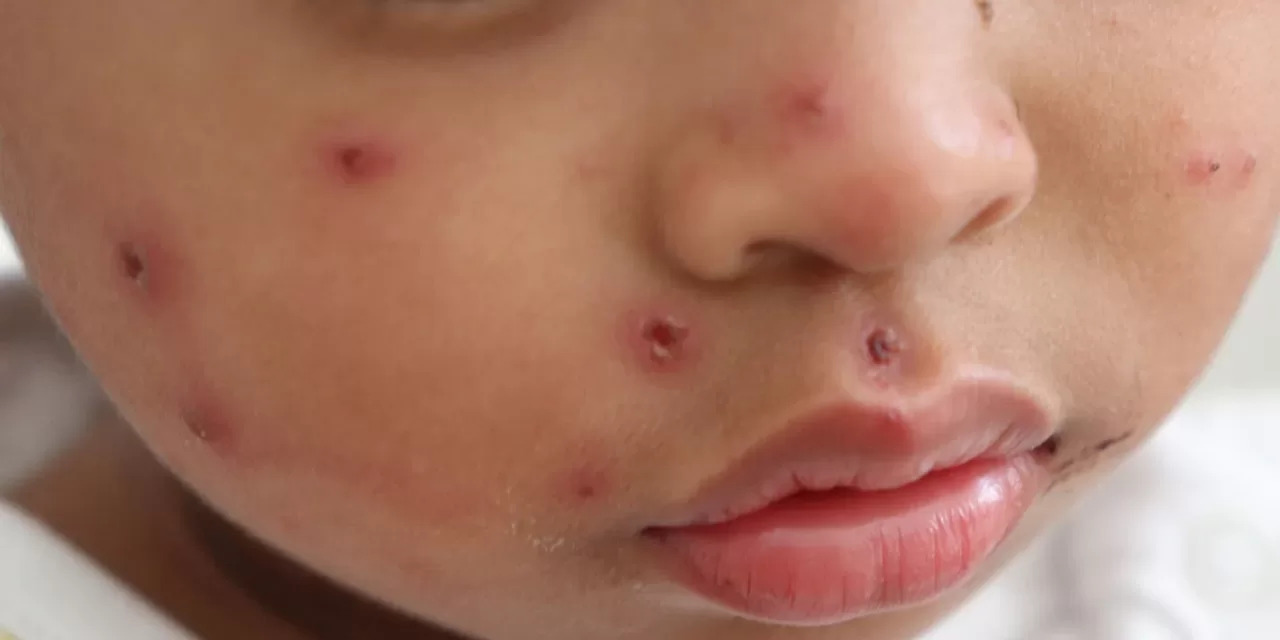
To the untrained eye, measles is often mischaracterized as a benign childhood illness marked by a temporary skin rash. However, clinical experts emphasize that the virus causes severe systemic complications, particularly in vulnerable populations.
According to the World Health Organization (WHO), the measles virus temporarily suppresses the host’s immune system, leaving patients exposed to severe secondary infections. Common and serious complications include:
-
Pneumonia: The most frequent cause of death from measles in young children, resulting from primary viral infection or secondary bacterial infection of the lungs.
-
Encephalitis: An inflammation of the brain that can cause permanent neurologic damage, hearing loss, or death.
-
Severe Diarrhea and Dehydration: Leading to critical electrolyte imbalances in malnourished infants.
-
Keratoconjunctivitis: Eye complications that can lead to corneal scarring and permanent blindness.
The Centers for Disease Control and Prevention (CDC) notes that measles is among the most contagious human viruses known. A single infected individual can transmit the virus to up to 9 out of 10 unvaccinated close contacts through airborne respiratory droplets. These droplets can remain infectious in indoor air and on surfaces for up to two hours after an infected person leaves the room.
Expert Commentary: Immunity Gaps and Systemic Challenges
Public health epidemiologists stress that measles outbreaks do not occur in a vacuum; they serve as a sensitive indicator of underlying gaps in routine healthcare delivery.
Dr. Mahmudur Rahman, Chair of Bangladesh’s National Verification Committee for Measles and Rubella Elimination, pointed to persistent immunologic vulnerabilities despite emergency vaccination efforts. He noted that while targeted campaigns were conducted, an estimated 4 million children remained unreached or under-vaccinated across the country.
“The situation has improved in certain sectors, but not as quickly as anticipated following mass vaccination efforts,” Dr. Rahman stated in recent media briefings. “When significant gaps exist between routine childhood immunization coverage and target numbers, a pool of susceptible children accumulates over time, creating ideal conditions for rapid viral transmission.”
Former DGHS Director of Disease Control, Dr. Be-Nazir Ahmed, echoed these concerns, emphasizing the role of population mapping and outreach.
“If initial target projections fail to account for mobile urban populations, informal settlements, and hard-to-reach rural districts, infectious diseases will inevitably find those unprotected pockets,” Dr. Ahmed explained. “Outbreak control requires not only delivering vaccines but ensuring accurate surveillance, public awareness, and sustained community engagement.”
Public Health Implications and Clinical Management
From a clinical standpoint, there is no specific antiviral treatment that targets the measles virus directly. Management relies entirely on supportive care aimed at mitigating symptoms and preventing fatal complications.
Key Medical Interventions
-
High-Dose Vitamin A Supplementation: WHO recommends two doses of Vitamin A given 24 hours apart for all children diagnosed with measles under five years of age. Vitamin A restores depleted physiological reserves, promotes corneal recovery, and has been shown to reduce measles mortality by up to 50%.
-
Oral Rehydration Therapy (ORT): Immediate administration of ORT and zinc supplementation prevents fatal dehydration resulting from severe diarrhea.
-
Targeted Antibiotic Administration: Antibiotic therapy is strictly reserved for treating secondary bacterial complications, such as bacterial pneumonia, otitis media, and eye infections.
For healthcare institutions, the influx of patients requires strict infection prevention and control (IPC) protocols. Standard isolation wards with negative-pressure ventilation are ideal to prevent nosocomial (hospital-acquired) spread to other vulnerable pediatric inpatient populations.
Practical Action: The Power of Two Doses
For parents and caregivers, public health guidance remains clear and unchanged: vaccination is the single most effective defense against measles.
The measles-mumps-rubella (MMR) or measles-rubella (MR) vaccine is safe, highly effective, and widely available through national immunization programs.
-
One Dose: Provides approximately 93% protection against measles infection.
-
Two Doses: Provides approximately 97% lifelong protection.
Because approximately 5% of children do not develop an adequate immune response after the first dose, the second dose is critical to close the individual immunity gap and achieve community herd immunity (typically requiring 95% overall population coverage).
Epidemiological Cautions and Limitations of Data
When interpreting the epidemiological data from Bangladesh, several investigative limitations must be considered:
-
Case Classification Discrepancy: The majority of reported fatalities (725 out of 820) are classified as suspected measles deaths based on clinical symptoms rather than laboratory confirmation (95 deaths). Some suspected cases may ultimately be attributable to other viral exanthems, such as rubella or roseola, once laboratory serology is finalized.
-
Under-Reporting vs. Surge Overload: In resource-constrained settings during a high-volume surge, mild cases managed at home may go unrecorded, while severe hospital cases are heavily represented.
-
Evolving Surveillance: Aggregate counts reflect rapid daily data collection from regional hospitals, which undergoes retrospective revision as official laboratory results clear backlogs.
Despite these observational caveats, global health agencies emphasize that public health responses cannot wait for perfect diagnostic parity. The high volume of clinical cases and hospitalizations provides unambiguous proof of an ongoing, serious public health event requiring sustained intervention.
References
https://www.thedailystar.net/health/disease/news/4-more-die-suspected-measles-toll-rises-820-4232981
Medical Disclaimer: This article is for informational purposes only and should not be considered medical advice. Always consult with qualified healthcare professionals before making any health-related decisions or changes to your treatment plan. The information presented here is based on current research and expert opinions, which may evolve as new evidence emerges.