 0
0
 0
0
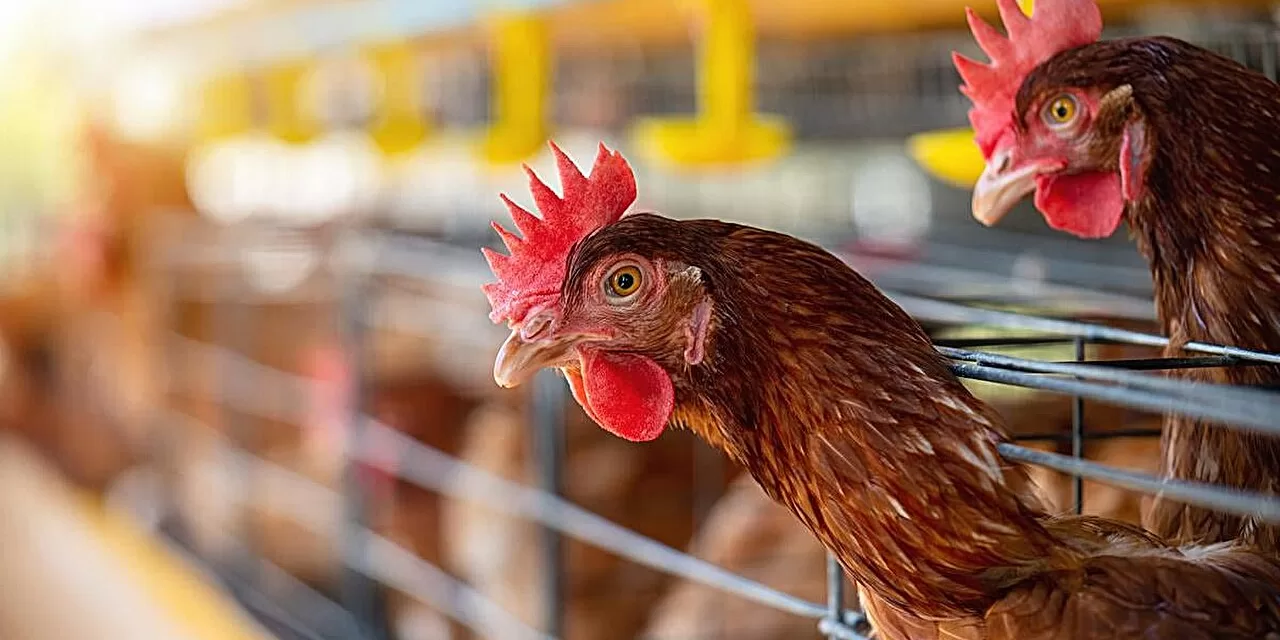
BENGALURU – Karnataka health authorities confirmed this week that a localized outbreak of H5N1 avian influenza at a government poultry training center near Bengaluru has been successfully contained. Following 10 days of intensive surveillance and the culling of thousands of birds, officials reported that no human cases have been detected. The rapid response, which began after the virus was confirmed on April 14, involved the quarantine of high-risk workers and the monitoring of over 28,000 residents across 22 villages. While the immediate threat has subsided, public health experts emphasize that continued vigilance remains essential to prevent future spillovers.
The Containment Effort: By the Numbers
The outbreak originated at the State Poultry Rearing Training Centre in Mathkuru village, located in the Hesaraghatta area on the outskirts of Bengaluru. Upon confirmation of the H5N1 strain, veterinary teams moved swiftly to establish a 10-kilometer surveillance zone.
According to official reports from the Karnataka Health Department, the containment drive involved:
-
7,444 chickens culled to prevent further viral shed.
-
10 poultry workers quarantined and placed under strict medical observation.
-
28,000+ residents monitored across 22 surrounding villages for symptoms of respiratory distress or fever.
Nasopharyngeal samples taken from the quarantined staff initially tested negative for the virus. While additional samples from the broader surveillance zone have been sent for secondary testing, the absence of symptomatic cases among the public is a significant milestone for regional health security.
Understanding the Risk: Why H5N1 Matters
Avian influenza, commonly known as “bird flu,” is caused by influenza A viruses. While these viruses primarily circulate among wild birds and domestic poultry, the H5N1 strain is of particular concern to global health organizations because of its high mortality rate in birds and its potential—though rare—to infect humans.
“For the general public, it is important to understand that a poultry outbreak does not automatically signal a human pandemic,” explains Dr. Aris Kumar, an infectious disease specialist (not involved in the Bengaluru response). “The primary risk factor remains direct, unprotected exposure to infected birds or surfaces contaminated with their droppings or saliva.”
The World Health Organization (WHO) notes that while human infections are uncommon, the virus is monitored closely because influenza viruses are “chameleons”—they constantly evolve. The goal of rapid containment, like that seen in Hesaraghatta, is to stop the virus before it has the opportunity to adapt to human-to-human transmission.
Public Health Strategy and Response
The Karnataka government’s response followed international protocols established by the Centers for Disease Control and Prevention (CDC) and the WHO. This “One Health” approach integrates animal health and human health monitoring.
Standard measures deployed included:
-
Culling and Disposal: Ensuring infected biomass and contaminated feed do not enter the food chain.
-
Biosecurity Zones: Restricting the movement of poultry products within the infected area.
-
Medical Readiness: Distributing Personal Protective Equipment (PPE) to responders and ensuring local clinics were stocked with oseltamivir (an antiviral medication).
Karnataka health officials have urged the public to remain calm, noting that the risk to the average consumer is currently low. This aligns with recent commentary from Dr. Theresa Sweet, a public health teaching professor at Drexel University, who noted that while H5N1 is a “serious animal-health event,” strong biosecurity practices among poultry workers are the most effective line of defense for the general population.
Limitations: Reassuring, Not Final
While the declaration of containment is a positive development, epidemiologists caution that “contained” does not mean “eradicated.”
One primary limitation of the current report is the window of incubation. Although the 10-day intensive monitoring period has passed, health officials are still awaiting the final results of secondary lab samples. Furthermore, the H5N1 virus has been known to cause severe disease in humans in previous global outbreaks, meaning the lack of human cases in Bengaluru is a testament to the speed of the response rather than a lack of viral potency.
Practical Advice for Consumers and Workers
Despite the official “all-clear” in Hesaraghatta, health authorities recommend that residents and poultry consumers maintain standard safety habits:
-
Avoid Contact: Do not handle sick or dead birds (wild or domestic). Report any unusual bird deaths to local veterinary authorities immediately.
-
Hygiene for Workers: Poultry owners and workers should use gloves and masks when handling birds and practice frequent handwashing.
-
Food Safety: There is no evidence that H5N1 can be transmitted through properly cooked food. Ensure poultry and eggs are cooked to an internal temperature of at least 74°C (165°F).
-
Monitor Symptoms: If you have been in contact with poultry and develop fever, cough, or eye redness (conjunctivitis), seek medical attention and disclose your exposure history.
As the surveillance in Bengaluru transitions from an emergency phase to routine monitoring, the message from health officials is clear: the system worked, but the threat of avian influenza requires a permanent state of readiness.
References
-
NDTV / IANS. (April 24, 2026). Bird Flu Outbreak Near Bengaluru Contained; No Human Cases Detected.
Medical Disclaimer: This article is for informational purposes only and should not be considered medical advice. Always consult with qualified healthcare professionals before making any health-related decisions or changes to your treatment plan. The information presented here is based on current research and expert opinions, which may evolve as new evidence emerges.