 0
0
 0
0
Key Audit Findings: Idle Equipment in Public Hospitals
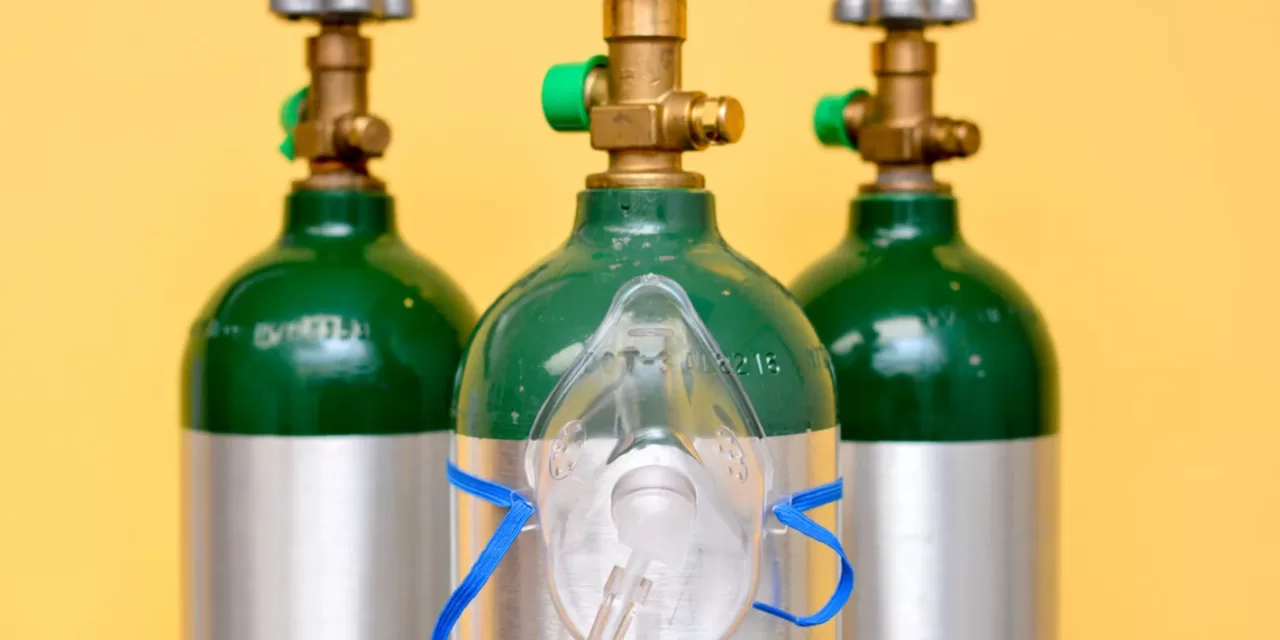
According to the official CAG audit, of the 75 PSA oxygen plants supplied to public healthcare facilities in West Bengal through the central PM CARES Fund and various Corporate Social Responsibility (CSR) initiatives, only 32 plants were operational by late 2023. The remaining 43 facilities—representing 57% of the state’s total allocated capacity—failed to deliver medical-grade oxygen to patient beds due to lingering technical, structural, or administrative hurdles.
A closer look at the data demonstrates significant disparities based on funding streams:
-
PM CARES Allocation: Out of 46 plants funded directly through the PM CARES initiative, 23 (50%) were non-functional or uncommissioned.
-
CSR Contributions: Of the 29 plants funded via corporate donations, only 9 were operational, leaving nearly 69% unusable.
-
Life-Support Warehousing: Beyond oxygen generation plants, the audit identified multiple oxygen concentrators and mechanical ventilators sitting unused in storage areas across two major state government hospitals.
+--------------------------+-----------------+------------------+---------------------+
| Funding Stream           | Total Allocated | Operational Count | Non-Functional Rate |
+--------------------------+-----------------+------------------+---------------------+
| PM CARES Fund            | 46 plants       | 23 plants        | 50.0%               |
| CSR Corporate Schemes    | 29 plants       | 9 plants         | 68.9%               |
| Total State Infrastructure| 75 plants       | 32 plants        | 57.3%               |
+--------------------------+-----------------+------------------+---------------------+
In addition to physical infrastructure, financial auditing exposed substantial unspent emergency allocations. Under the Emergency COVID Response Package (ECRP)-2, approximately ₹659.28 crore (65% of allocated funds) remained unspent as of March 2022. Furthermore, ₹462.05 crore allocated under the State COVID Joint Fund lay unutilized.
Background: The Shift to On-Site Oxygen Generation
During the second wave of COVID-19 in early 2021, severe supply-chain bottlenecks in liquid medical oxygen (LMO) exposed vulnerability in centralized distribution networks. In response, the central government established the PM CARES Fund in March 2020 as a public charitable trust to mobilize resources, allocating over ₹2,015 crore nationally for localized, on-site medical oxygen plants during the 2021–2022 fiscal year.
Pressure Swing Adsorption (PSA) technology operates by filtering atmospheric air under high pressure through synthetic molecular sieves (zeolites), which absorb nitrogen and isolate medical-grade oxygen (typically 93% ± 3% purity). By generating oxygen directly on hospital premises, PSA plants were intended to eliminate reliance on external tanker deliveries.
How PSA Oxygen Plants Work: High-pressure ambient air is pumped through zeolite beds that trap nitrogen molecules, letting purified oxygen flow directly into hospital piping systems for patients requiring respiratory support.
Expert Commentary: Procurement vs. Sustainability
Public health experts emphasize that physical installation represents only a fraction of sustainable health infrastructure. Equipment failure often stems from a lack of ongoing operational budgeting, regular servicing, and skilled workforce availability.
“Installing equipment is only the first step; ensuring operational readiness through training, maintenance contracts, and supply chain management is equally critical.”
— Dr. Chandrakant Lahariya, Public Health Specialist and Epidemiologist
The World Health Organization (WHO) noted in its Global Health Security Index that emergency medical infrastructure must be seamlessly integrated into daily, routine clinical care. Without dedicated operational and maintenance (O&M) budgets, crisis-era investments quickly decay.
Dr. Anant Bhan, a bioethicist and health researcher, highlighted the human cost of delayed implementation:
“When life-saving equipment remains non-functional, it’s not just a financial loss — it represents a failure of preparedness that could cost lives in future health emergencies.”
— Dr. Anant Bhan, Bioethicist and Researcher
Public Health & Systemic Implications
The audit findings carry significant lessons for healthcare administration and policy development across developing health systems:
-
Life-Cycle Cost Planning: Procurement of complex medical equipment must incorporate multi-year comprehensive maintenance contracts (CMC) and local technical training alongside physical hardware delivery.
-
Financial Absorption Capacity: Large emergency capital infusions require administrative capacity to deploy funds efficiently before emergency windows close.
-
Decentralized Reserve Strategy: WHO guidelines suggest health systems maintain at least 30% of total oxygen capacity via on-site generation to cushion against external transport disruptions.
-
Political Accountability: Tabling audit reports in state assemblies fosters democratic oversight, ensuring public assets remain functional during non-emergency periods.
Technical Context & Challenges
In response to audit queries, hospital administrators cited several technical prerequisites that hindered rapid commissioning:
-
Power Stability: High-capacity PSA plants require dedicated, uninterrupted three-phase electrical supplies and backup generator support.
-
Quality Compressed Air: Intake compressors require routine oil-filter changes and moisture separators to prevent zeolite degradation.
-
Staffing Shortages: Facilities lacked trained biomedical engineers or dedicated technicians to oversee daily pressure monitoring and routine maintenance.
While post-pandemic drops in COVID-19 hospitalizations reduced immediate demand for maximum oxygen output, public health authorities stress that these units remain vital for routine surgeries, trauma units, intensive care units (ICUs), and future epidemic surges.
Actionable Takeaways for Citizens
For patients and families navigating public healthcare facilities, understanding infrastructure reliability is an important aspect of health advocacy:
-
Facility Inquiries: When seeking long-term or critical care, families may ask facility administrators about available backup power and dedicated oxygen supply lines.
-
Public Advocacy: Taxpayers and health advocates can reference official audit data to urge local representatives toward improved hospital maintenance funding.
-
Personal Emergency Plans: Individuals with chronic respiratory diseases (such as COPD or severe asthma) should maintain clear contingency plans, including awareness of local primary, secondary, and tertiary care facility capabilities.
Expert Recommendations
To ensure emergency equipment remains operational, policy analysts recommend four key structural updates:
-
Mandatory Commissioning Timelines: Enforce binding deadlines for vendor setup and operational testing prior to full invoice settlement.
-
Dedicated O&M Allocation: Ring-fence operational budgets explicitly for technical staff, spare parts, and routine servicing.
-
Third-Party Technical Audits: Implement periodic independent inspections of critical medical infrastructure.
-
Routine Use Integration: Run PSA plants routinely for general hospital beds rather than keeping them offline as passive emergency backups.
References
-
The Telegraph India. “CAG says over half of PM CARES oxygen plants in Bengal hospitals remain non-functional during Covid.” Published July 26, 2026. Telegraph Article
Medical Disclaimer: This article is for informational purposes only and should not be considered medical advice. Always consult with qualified healthcare professionals before making any health-related decisions or changes to your treatment plan. The information presented here is based on current research and expert opinions, which may evolve as new evidence emerges.