 0
0
 0
0
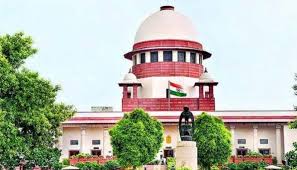
NEW DELHI — In a landmark ruling that promises to reshape the landscape of patient rights and medical jurisprudence in India, the Supreme Court declared on May 3, 2026, that a claim for medical negligence does not simply vanish upon the death of a physician. The Court held that legal heirs can be held liable for compensation, provided the recovery is limited to the value of the assets they inherited from the deceased doctor’s estate.
The judgment, delivered by a bench comprising Justices J.K. Maheshwari and A.S. Chandurkar in the case of Kumud Lall v. Suresh Chandra Roy & Ors., clarifies long-standing ambiguities regarding the “survival” of legal claims. By allowing legal heirs to be “impleaded”—or formally joined—to ongoing consumer disputes, the Court has ensured that patients seeking justice for medical errors are not left empty-handed solely due to the passage of time and the mortality of the defendant.
A Three-Decade Journey for Justice
The case at the heart of this ruling underscores the agonizingly slow pace of medical litigation in India. In 1990, Kumud Lall underwent eye surgery performed by Dr. Suresh Chandra Roy in Munger, Bihar, to alleviate persistent pain. The procedure resulted in the total loss of vision in her right eye.
Lall initiated legal action in 1997. While a District Consumer Forum initially awarded her ₹2.60 lakh in compensation in 2003, higher commissions later overturned or stalled the proceedings. When Dr. Roy passed away in 2009—nearly 20 years after the surgery—his family argued that the case should be dismissed. They invoked the ancient common law maxim actio personalis moritur cum persona—the principle that “a personal right of action dies with the person.”
The Supreme Court, however, has now firmly rejected that argument in the context of consumer protection.
The Legal Turning Point: Assets vs. Personal Fault
The Supreme Court’s decision hinges on a crucial distinction between “personal torts” and “claims against an estate.”
Under Section 306 of the Indian Succession Act, 1925, most legal causes of action survive the death of the party involved, except for specific personal grievances like defamation or assault. The Court ruled that medical negligence, while involving a personal act of a doctor, ultimately results in a financial liability that attaches to the doctor’s property (the “estate”).
Key findings from the ruling include:
-
Heir Liability: Legal heirs are not personally responsible for the doctor’s alleged mistakes; they cannot be jailed or forced to pay out of their own pockets.
-
Estate Limitations: The compensation can only be recovered from the assets the heirs inherited from the deceased doctor.
-
Procedural Continuity: Consumer forums under both the 1986 and 2019 Consumer Protection Acts have the authority to continue proceedings against heirs.
“This is a modernization of tort law for the consumer era,” notes Menaka Guruswamy, a senior advocate and legal analyst. “It prevents the legal process from being defeated by the mere event of death, which is critical in a system where cases can span decades.”
Implications for Patients and the Public
For the average healthcare consumer, this ruling provides a significant safety net. Medical negligence cases in India often average 5 to 10 years to reach a conclusion. With over 50,000 consumer cases currently pending before the National Consumer Disputes Redressal Commission (NCDRC), the risk of a defendant passing away during trial is statistically high.
What This Means for Patients:
-
Persistence of Claims: A patient’s right to seek damages for loss of income, medical expenses, or permanent disability remains intact regardless of the doctor’s lifespan.
-
Evidence is Paramount: The ruling does not mean heirs are automatically guilty. The burden of proof still lies with the patient to provide expert evidence of negligence.
-
Documentation: The ruling highlights the necessity for patients to maintain meticulous records of treatments, as these documents will become the primary evidence if a doctor is no longer there to testify.
The Medical Community’s Response
The healthcare sector has greeted the ruling with a mix of acceptance and concern. While the legal logic is clear, many practitioners worry about the long-term impact on the profession.
Dr. R.V. Asokan, former president of the Indian Medical Association (IMA), suggests that the decision is procedurally fair but notes a psychological burden. “Heirs represent the estate, much like an executor in a will. This ensures mortality isn’t an escape hatch for responsibility,” he says. However, other IMA representatives have expressed fears that the ruling could lead to “heir harassment” or deter doctors from performing high-risk procedures in rural areas where legal resources are scarce.
Looking Ahead: Insurance and Policy
As medical negligence cases have surged by approximately 20% annually according to recent Ministry of Health reports, this ruling may trigger several shifts in how medicine is practiced and insured:
-
Malpractice Insurance: Experts predict a rise in professional indemnity insurance premiums. Doctors may now need policies that specifically cover their estates posthumously.
-
Succession Planning: Medical professionals may need to isolate practice-related assets from family assets in their wills to protect their children’s inheritance from potential litigation.
-
Call for Reform: Some advocates are calling for a “Negligence Compensation Fund,” similar to no-fault insurance models in other countries, to provide faster relief to victims without depleting a family’s inherited home or savings.
Limitations of the Ruling
It is important to note that the Supreme Court did not declare Dr. Roy negligent. It merely ruled that the case could continue. The matter has been remanded to the NCDRC to determine if negligence actually occurred and to quantify the damages based on the 1990 incident.
Furthermore, the ruling does not apply to criminal liability. Criminal charges for “causing death by negligence” (Section 304A of the IPC) still die with the accused, as you cannot imprison a legal heir for the crimes of the deceased.
Practical Advice for Stakeholders
- https://medicaldialogues.in/news/health/doctors/medical-negligence-right-to-sue-survives-after-doctors-death-legal-heirs-can-be-impleaded-rules-supreme-court-169976
Medical Disclaimer: This article is for informational purposes only and should not be considered medical advice. Always consult with qualified healthcare professionals before making any health-related decisions or changes to your treatment plan. The information presented here is based on current research and expert opinions, which may evolve as new evidence emerges.