 0
0
 0
0
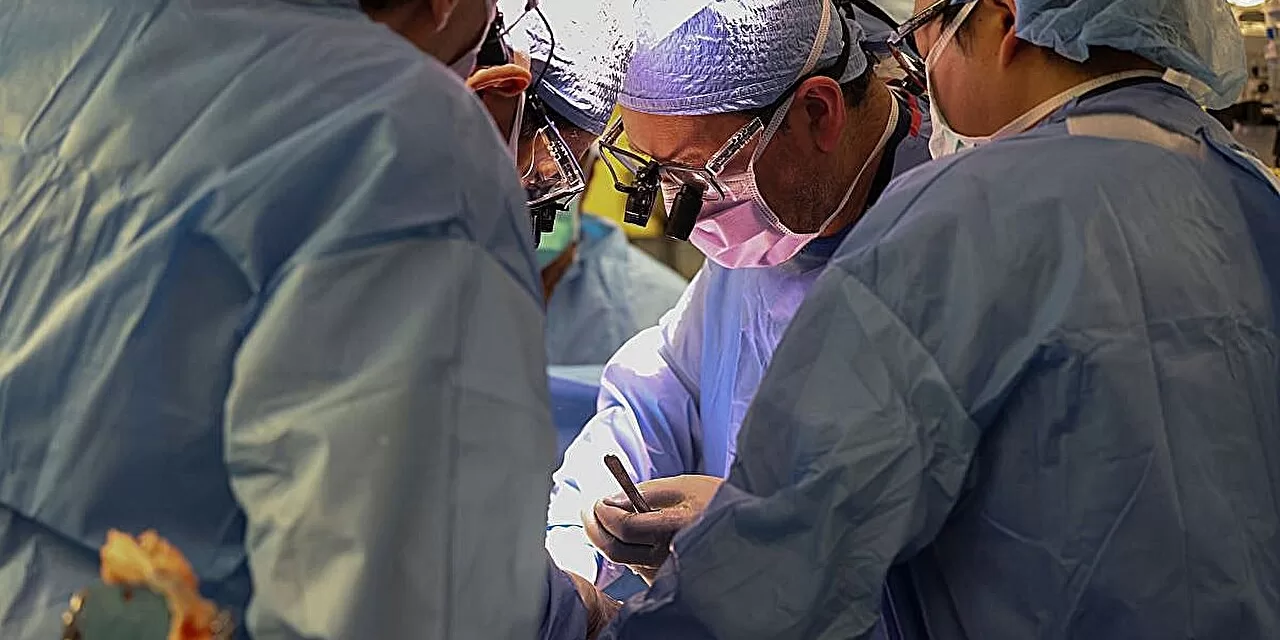
AGARTALA — In a historic leap for healthcare in Northeast India, the Govind Ballabh Pant (GBP) Medical College and Hospital in Agartala successfully completed two kidney transplant surgeries on consecutive days, March 30 and 31, 2026. This achievement marks the first time the state has performed such complex procedures in rapid succession, signaling a significant expansion in local surgical capacity and offering a “center of hope” for thousands of patients grappling with end-stage renal disease (ESRD).
The back-to-back surgeries build upon a foundation of five successful transplants conducted at the facility since 2024. By localizing advanced super-specialty care, the state is effectively reducing the need for “transplant tourism,” a practice where patients are forced to travel to distant hubs like Delhi, Chennai, or Manipur for life-saving interventions.
Two Days, Four Lives Transformed
The marathon of surgeries began on March 30, involving a 36-year-old man from Baikhora in South Tripura. In a testament to human altruism, the patient received a kidney from his 33-year-old childhood friend. The following day, March 31, the surgical teams returned to the theater for a second case: a 33-year-old man from West Tripura who received a donation from his 59-year-old father.
Both procedures followed months of rigorous medical and legal preparation. Each donor-recipient pair underwent extensive compatibility testing and psychological evaluation. Crucially, both cases received formal approval from the state’s authorization committee, ensuring the transplants met the strict ethical standards mandated by India’s Transplantation of Human Organs Act.
The surgeries were executed by a multidisciplinary team of nephrologists, urologists, and anesthesiologists from GBP Hospital. This local team was supported by specialists from the Shija Hospitals and Research Institute in Manipur, reflecting a successful model of interstate medical collaboration.
Expert Perspectives: “Setting a New Benchmark”
Hospital Superintendent Dr. Bidhan Goswami hailed the achievement as a turning point for the state’s medical infrastructure.
“While our earlier transplants were successful individual milestones, this back-to-back success demonstrates our growing technical expertise and systemic readiness,” Dr. Goswami stated. “It sets a new benchmark for what we can provide to the people of Tripura right here at home.”
Dr. Sankar Chakraborty, a key figure in the state’s transplant program, emphasized the emotional and physical relief this provides to the community. He noted that the hospital is increasingly viewed as a primary resource for kidney failure patients rather than a mere transit point for referrals.
Dr. Gulliver Potsangbam, a nephrologist from Shija Hospitals who has been instrumental in mentoring the Agartala team, noted that the success of these operations—adding to over 114 transplants conducted by his institute—proves the efficacy of regional partnerships in scaling up healthcare in underserved areas.
The Broader Context: Kidney Disease in India
The success in Tripura arrives against a backdrop of a growing national health crisis. Chronic Kidney Disease (CKD) affects an estimated 9.4% of India’s population. Every year, over 200,000 people progress to end-stage renal disease, requiring either lifelong dialysis or a transplant to survive.
Despite the high demand, India currently performs only between 13,000 and 20,000 kidney transplants annually across 600 specialized centers. As of early 2026, the national organ waitlist exceeded 89,000 individuals, with kidneys accounting for approximately 60,000 of those requests.
In Tripura, health data from the National Programme for Prevention and Control of Cancer, Diabetes, Cardiovascular Diseases and Stroke (NPCDCS) identified 182 confirmed CKD cases, though experts suggest this number is likely higher due to underreporting in rural sectors. The primary drivers of kidney failure in the region mirror national trends:
-
Diabetes: Nearly 6,000 diagnosed cases in recent state data.
-
Hypertension: Over 12,000 diagnosed cases.
-
Lifestyle Factors: Rising rates of obesity and alcohol-related complications.
Public Health Implications and “Democratizing” Care
The ability to perform these surgeries in Agartala has profound economic implications. For many of Tripura’s 4 million residents, the cost of traveling to major metros for treatment is prohibitive. By performing these surgeries free of charge under government-funded schemes, the state is democratizing access to high-end medicine.
The infrastructure for this milestone was catalyzed by a Rs 180 crore investment in a new super-specialty block, championed by Chief Minister Manik Saha. This facility provides the sterile environments and advanced monitoring equipment necessary for transplant medicine.
Furthermore, these cases highlight the success of “living donor” transplants. In India, roughly 90% of transplants come from living donors—usually family or friends. This model typically yields better outcomes, with national success rates hovering between 95% and 98% in the first year following the procedure.
Challenges and the Path Ahead
Despite the celebration, significant hurdles remain. Seven transplants in two years is a commendable start, but it pales in comparison to the total volume of patients on dialysis.
-
Deceased Donation: India’s deceased (cadaveric) donor program remains nascent, accounting for only 10% of total transplants. Increasing “organ donation after death” awareness is critical to clearing the waitlist.
-
Long-term Maintenance: A transplant is not a “cure” but a transition to a different type of care. Patients must adhere to a lifelong regimen of immunosuppressant drugs to prevent the body from rejecting the new organ.
-
Data Gaps: There is a lack of large-scale, state-specific longitudinal studies on CKD prevalence in Tripura, making it difficult for policymakers to allocate resources with precision.
Practical Advice: Protecting Your “Filters”
Think of your kidneys as the body’s sophisticated filtration system. When blood pressure is too high or blood sugar is uncontrolled, it is like forcing debris through a delicate mesh—eventually, the filter clogs or tears.
For those at risk, medical experts recommend:
-
Regular Screening: If you have diabetes or hypertension, request an eGFR (estimated Glomerular Filtration Rate) blood test and a urine albumin test annually.
-
Pressure Control: Aim to keep blood pressure below 130/80 mmHg.
-
Dietary Shifts: Reducing salt intake and staying hydrated helps reduce the workload on the kidneys.
-
Early Consultation: If kidney function begins to decline, discussing transplant eligibility early can lead to better outcomes than waiting until emergency dialysis is required.
As Tripura continues to expand its surgical capabilities, the message from Agartala is clear: while medical technology can work wonders, prevention and early detection remain the most powerful tools in the fight against kidney disease.
Medical Disclaimer: This article is for informational purposes only and should not be considered medical advice. Always consult with qualified healthcare professionals before making any health-related decisions or changes to your treatment plan. The information presented here is based on current research and expert opinions, which may evolve as new evidence emerges.
References
-
India Today NE. “Tripura gears up for back-to-back kidney transplants at GB Hospital.” March 26, 2026.