 0
0
 0
0
CHICAGO — For millions of individuals managing type 2 diabetes and obesity, GLP-1 receptor agonists like tirzepatide (Mounjaro/Zepbound) and semaglutide (Ozempic/Wegovy) have been life-changing. However, a looming “rebound effect” has shadowed these successes: research consistently shows that once these medications are discontinued, patients often regain a significant portion of their lost weight within a year.
Now, interim results from a landmark clinical trial suggest a breakthrough. An outpatient endoscopic procedure known as Duodenal Mucosal Resurfacing (DMR) may serve as a “metabolic reset,” helping patients maintain their weight loss even after they stop taking GLP-1 medications. The findings, presented by lead investigator Dr. Shelby Sullivan of the Dartmouth Geisel School of Medicine at the Digestive Disease Week meeting, offer a potential “off-ramp” for patients who cannot or do not wish to remain on expensive injections indefinitely.
The Weight Regain Dilemma
The rise of GLP-1 drugs has transformed metabolic medicine, with patients frequently losing 15% to 20% of their body weight. Yet, real-world data indicates that up to 70% of users eventually discontinue the therapy due to high costs—often exceeding $1,000 per month—persistent gastrointestinal side effects, or personal preference.
When the medication stops, the biological signals that suppress hunger and slow digestion vanish, often leading to a 60% to 75% weight regain.
“GLP-1s are transformative, but lifelong use isn’t feasible for many,” says Dr. Shelby Sullivan. “DMR fills an unmet need, offering drug-free maintenance of metabolic gains.”
What is Duodenal Mucosal Resurfacing?
The procedure targets the duodenum, the first section of the small intestine immediately following the stomach. In individuals who consume diets high in fats and sugars, the mucosal lining of the duodenum can thicken and become dysfunctional. This “clogged” signaling environment disrupts the hormones that regulate insulin sensitivity and appetite.
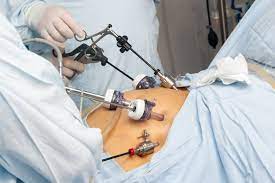
DMR involves a minimally invasive endoscopic approach where a catheter is inserted through the mouth. Using controlled hydrothermal energy (heat), the procedure ablates—or thins—the interior lining of the duodenum.
“Diet-induced changes there drive insulin resistance; resurfacing rejuvenates it,” Dr. Sullivan explains. “It is like rebooting gut metabolism to a healthier state.” Following the procedure, the body regenerates a new, healthier mucosal layer that may restore proper metabolic signaling.
The REMAIN-1 Trial: Key Findings
The REMAIN-1 trial is a sham-controlled study that enrolled over 300 participants who had already achieved at least a 15% reduction in body weight using tirzepatide. Upon stopping the medication, participants were randomized to receive either the DMR procedure (using the Revita system by Fractyl Health) or a “sham” procedure for comparison.
Interim data from the first 45 participants reveal a stark difference in outcomes at the six-month mark:
Comparison of 6-Month Outcomes post-GLP-1 Discontinuation
| Metric | DMR Procedure Group | Sham Control Group |
| Weight Regain | ~7 lbs (for most treated) | ~14 lbs |
| Overall Regain Reduction | 40% less than control | N/A |
| Weight Maintenance | >80% of original loss kept | Significant loss of gains |
| Safety Profile | No serious adverse events | N/A |
Patients who received the most comprehensive resurfacing of the tissue saw the greatest benefit, maintaining nearly all of their weight loss. Importantly, the gap between the two groups appeared to widen over time, suggesting that the metabolic benefits of DMR may be durable.
Safety and Recovery
The procedure is performed on an outpatient basis. According to the study, recovery mirrors that of a routine endoscopy; most patients were able to resume their normal daily routines within 24 hours. While some participants experienced mild, transient gastrointestinal symptoms, there were no serious procedure-related adverse events reported. Because the study was “blinded,” participants could not distinguish whether they had received the active treatment or the sham, which strengthens the validity of the results.
Expert Commentary and Context
While the results are promising, metabolic specialists emphasize that DMR is currently intended as a maintenance tool rather than a primary weight-loss method. On its own, the procedure typically induces modest weight loss (approximately 2–4 kg). Its true value appears to be its ability to “lock in” the massive weight loss achieved through pharmaceutical or lifestyle interventions.
“If REMAIN-1 confirms this for weight maintenance, it could shift paradigms,” noted a briefing from Medscape.
However, some experts urge caution. Dr. Christopher Malaisrie, a physician at Northwestern Medicine (not involved in the study), noted that while safety patterns are encouraging, the medical community is awaiting the full data set from all 300+ participants.
Public Health and Global Impact
The implications for global health are substantial. With type 2 diabetes affecting over 500 million people worldwide—including 77 million in India alone—the demand for scalable, one-time interventions is high.
If approved by regulatory bodies, DMR could:
-
Reduce Healthcare Costs: Providing a one-time procedure to replace years of expensive monthly prescriptions.
-
Improve Access: Offering a solution for patients in regions where GLP-1 drugs are in short supply or cost-prohibitive.
-
Lower Comorbidities: By preventing weight regain, the procedure could indirectly reduce the risk of cardiovascular disease and non-alcoholic fatty liver disease (NAFLD).
Limitations to Consider
Despite the enthusiasm, there are several caveats:
-
Interim Status: These results are based on a small subset of the total trial population. Full results are not expected until late 2026.
-
Sponsorship: The trial is sponsored by Fractyl Health, the manufacturer of the Revita system. While the double-blind nature of the study mitigates bias, independent long-term studies will be beneficial.
-
Durability: While earlier “REVITA” trials showed benefits lasting up to 48 weeks, it remains to be seen if the “reset” lasts for several years or if the tissue eventually reverts to a dysfunctional state.
Practical Advice for Patients
For those currently using GLP-1 medications and concerned about the future, experts recommend the following:
-
Consult Specialists: Do not discontinue medications without a clinical plan. Discuss maintenance options with an endocrinologist.
-
Focus on Lifestyle: Regardless of procedures, high-protein and fiber-rich diets, along with 150 minutes of moderate exercise per week, remain the cornerstone of metabolic health.
-
Stay Informed: DMR is currently investigational in the United States. Patients interested in the procedure may look for upcoming clinical trials as Fractyl Health prepares for U.S. regulatory submission.
Medical Disclaimer: This article is for informational purposes only and should not be considered medical advice. Always consult with qualified healthcare professionals before making any health-related decisions or changes to your treatment plan. The information presented here is based on current research and expert opinions, which may evolve as new evidence emerges.
References
- https://health.economictimes.indiatimes.com/news/industry/procedure-to-treat-type-2-diabetes-helps-keep-off-weight-after-patients-stop-glp-1-drugs/130493515?utm_source=top_story&utm_medium=homepage