 0
0
 0
0
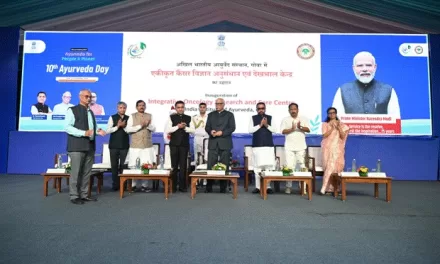
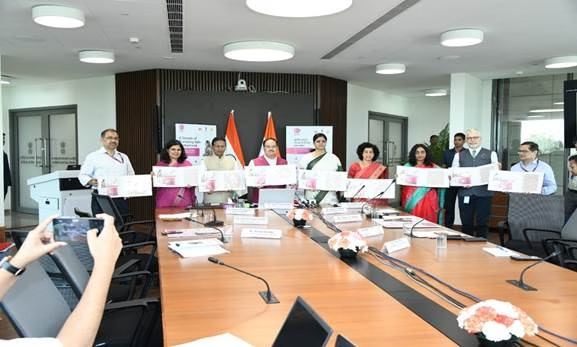
NEW DELHI — In a major milestone for public health, India is celebrating the 10th anniversary of its flagship maternal health program, the Pradhan Mantri Surakshit Matritva Abhiyaan (PMSMA). Union Minister of Health and Family Welfare, Shri J.P. Nadda, officially launched nationwide celebrations under the theme “10 Years of PMSMA – A Decade of Care,” unveiling a ₹75 commemorative coin and a ₹5 postal stamp to mark the initiative’s profound impact on public health.
Since its inception on June 9, 2016, by Prime Minister Narendra Modi, the PMSMA has aimed to provide free, comprehensive, and high-quality antenatal care (ANC) to pregnant individuals on the 9th day of every month. Ten years later, federal data indicates that the program has fundamentally altered the landscape of maternal and child healthcare across the country.
Historic Drops in Maternal and Infant Mortality
Addressing health officials, international delegates, and frontline workers, Health Minister Nadda highlighted India’s dramatic progress in safeguarding the lives of mothers and newborns.
According to the latest United Nations Maternal Mortality Estimation Inter-Agency Group (UN-MMEIG) Report, India has achieved an 86% reduction in maternal mortality since 1990. This decline significantly outpaces the global average reduction of 48%.
The localized impact is equally stark. Data from India’s Sample Registration System (SRS) reveals that the country’s Maternal Mortality Ratio (MMR) dropped from 130 per lakh (100,000) live births during the 2014–2016 period to 87 per lakh live births during 2022–2024.
Maternal Mortality Ratio (MMR) Trend in India
(Deaths per 100,000 live births)

2014-2016: ███████████████ 130
2022-2024: ██████████ 87  (-43 points)
Child survival rates have mirrored this upward trajectory:
-
Under-Five Mortality Rate: Dropped by 79% since 1990, compared to a 61% global decline.
-
Neonatal Mortality Rate: Reveled a 70% decline between 1990 and 2024, according to the UN Inter-Agency Group for Child Mortality Estimation (UN-IGME), far exceeding the global average reduction of 54%.
-
Current Neonatal Data: National data shows a drop from 24 to 18 deaths per 1,000 live births over the last decade.
“These numbers are not merely statistics,” Shri Nadda emphasized. “They represent the lives of mothers and newborns saved through timely care, early intervention, and the collective efforts of our healthcare workforce.”
The Scale of the Intervention
At the heart of the PMSMA’s success is a unique public-private partnership. Shortly after the program launched, the government appealed to private-sector obstetricians and specialists to volunteer their time. Today, more than 9,000 private healthcare providers are registered to offer free specialist care on the 9th of each month, specifically targeting underserved, remote, and aspirational districts.
Union Health Secretary Smt. Punya Salila Srivastava provided context on the sheer scale of the initiative over the last decade:
-
Over 7.5 crore (75 million) antenatal check-ups have been performed under the scheme.
-
Nearly 1.2 crore (12 million) high-risk pregnancies have been identified and managed.
Furthermore, the latest National Family Health Survey (NFHS-6) highlights systemic improvements in healthcare utilization. Institutional deliveries—births occurring in safe, medical facilities rather than at home—have climbed to 90.6%. Overall antenatal care coverage has reached 95.9%, with first-trimester registrations rising to 76.2%.
Proactive Management via Extended PMSMA
A major evolution in the strategy occurred in January 2022 with the introduction of the Extended PMSMA (E-PMSMA). While the traditional program focuses on routine monthly checks, E-PMSMA targets individuals with identified high-risk pregnancies (such as those with severe anemia, gestational diabetes, or hypertension).
Under E-PMSMA, these patients are line-listed, individually tracked, and monitored for up to 45 days post-delivery. Automated SMS alerts and enhanced financial incentives for Accredited Social Health Activists (ASHAs) ensure that these critical cases do not slip through the cracks of the public healthcare system.
Expert Perspectives and Remaining Challenges
Public health experts not involved in the government administration view the milestone as a textbook example of utilizing structured, predictable care to change community habits.
“The genius of the PMSMA was designating a fixed day—the 9th of every month,” says Dr. Anita Sen, a Delhi-based maternal health consultant and independent researcher. “In rural communities, predictability drives compliance. When families know a specialist doctor will be at the clinic every month on that specific day, it removes the guesswork and hesitation.”
However, independent health analysts point out that while the broad statistics are positive, regional disparities persist.
Although India’s average institutional delivery rate stands at 90.6%, certain rural pockets and tribal belts still report lower utilization due to geographical barriers and localized shortages of female OB-GYNs.
Furthermore, while 95.9% of pregnant individuals receive at least one antenatal checkup, NFHS-6 data shows that only 65.2% receive the globally recommended minimum of four antenatal visits. This leaves a critical gap in sustained, continuous care that public health networks must bridge in the coming decade.
Moving Forward
To celebrate the decade milestone and keep momentum building, the Ministry of Health has organized a week of intensive community outreach and awareness campaigns across all States and Union Territories. The drive aims to educate families on the importance of early trimester registration and the availability of assured free diagnostics and treatments.
The event saw attendance from prominent figures including Smt. Anupriya Patel, Union Minister of State for Health; Dr. Yvan J. F. Hutin, WHO Representative to India; and Chief Medical Officers representing various states, reinforcing a unified global and domestic commitment to maternal welfare.
References
-
Press Information Bureau (PIB) Delhi: Union Health Minister Shri J.P. Nadda Launches Nationwide Celebrations to Mark “10 Years of PMSMA – A Decade of Care”, published June 9, 2026.
Medical Disclaimer: This article is for informational purposes only and should not be considered medical advice. Always consult with qualified healthcare professionals before making any health-related decisions or changes to your treatment plan. The information presented here is based on current research and expert opinions, which may evolve as new evidence emerges.