 0
0
 0
0
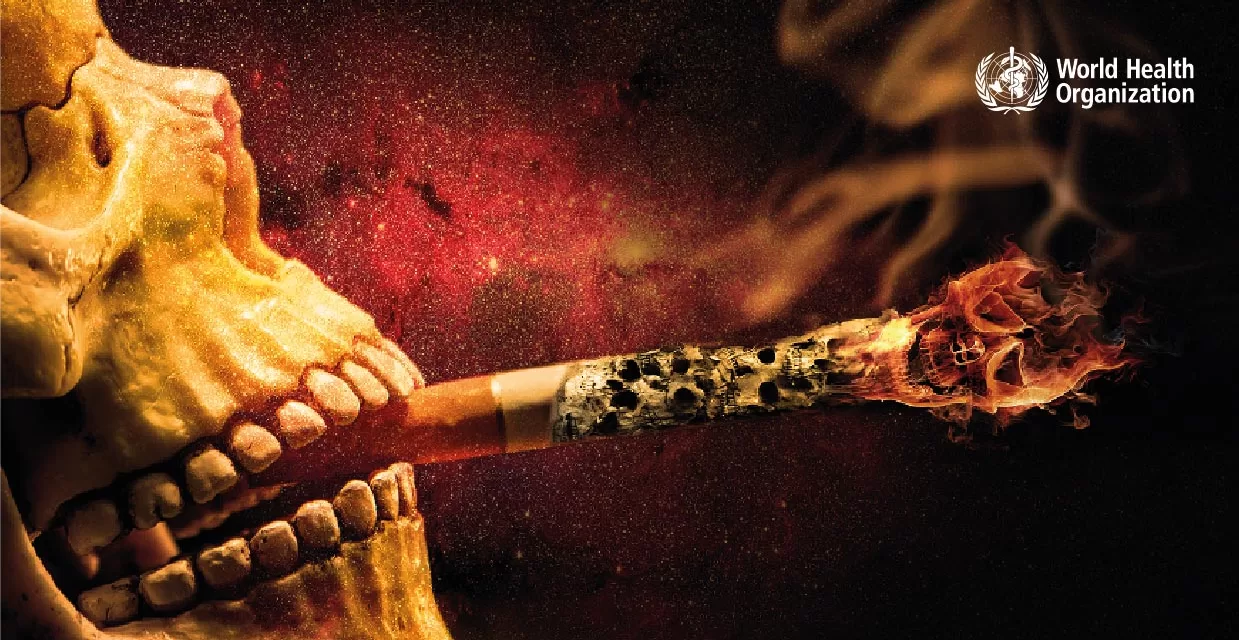
MONTREAL — For decades, public health campaigns have rightly emphasized the transformative benefits of kicking the tobacco habit. Within weeks of quitting, circulation improves and coughs subside; within years, heart disease risk plummets. However, a landmark study published July 22, 2026, in the journal Translational Research offers a sobering biological truth: while quitting smoking halts ongoing damage, it does not completely erase the cellular footprint left behind by years of exposure.
Led by a team of molecular researchers at McGill University, the study found that specific types of lung cells retain genetic and structural changes long after a person has smoked their final cigarette. This persistence helps explain why former smokers remain at a higher risk for chronic respiratory diseases and lung cancer compared to individuals who have never smoked.
The findings do not diminish the immense health value of quitting. Rather, they unlock a critical piece of the puzzle regarding how tobacco smoke permanently alters human tissue, paving the way for targeted therapies and better long-term monitoring for ex-smokers.
The Biological Footprint of Tobacco Smoke
To understand why lung risk lingers, the McGill research team analyzed public single-cell RNA sequencing data from more than 100,000 individual lung cells taken from 21 participants. The cohort included nine individuals who had never smoked, five active smokers, and seven former smokers.
By zooming in on over 40 distinct lung cell types, researchers observed a nuanced, mixed recovery pattern across the respiratory tract:
-
Partial Recovery: Certain lung surface cells demonstrated an impressive ability to rebound, restoring normal function once tobacco toxins disappeared.
-
Persistent Alterations: Other cell populations—particularly those involved in tissue structural integrity, immune signaling, and vascular (blood vessel) health—retained distinct molecular signatures tied to previous smoke exposure.
-
A Unique “Ex-Smoker” Signature: Intriguingly, former smokers displayed some cellular profiles that were entirely distinct from both active smokers and never-smokers. This suggests that the body’s attempt to heal and adapt after cessation leaves a permanent, unique biological footprint.
“Our findings show that while some damage appears reversible, other changes persist long after people stop smoking,” said senior author Carolyn Baglole, Ph.D., a professor in the Department of Pharmacology and Therapeutics at McGill University. She noted that while active smokers face the highest overall risk for malignancies and chronic inflammation, former smokers must remain aware of their elevated baseline risk.
First author Nicole Heimbach, a doctoral researcher at McGill, emphasized the scientific value of identifying these durable changes. “Distinguishing between damage that can heal and damage that persists helps us map out the precise biological pathways that drive chronic lung conditions,” Heimbach explained. “These persistent pathways could become primary targets for future preventive medicines.”
Linking Cellular Damage to Population-Wide Lung Decline
The new cellular findings provide a biological mechanism for what epidemiologists have observed in large population cohorts for years: lung function decline does not always return to a normal rate after quitting.
In a landmark multi-center study published in The Lancet Respiratory Medicine, researchers tracked 25,352 adults who underwent 70,228 spirometry (lung function) exams over a median period of seven years. The study monitored participants’ FEV1 (forced expiratory volume in one second)—the standard clinical measure of how much air a person can forcefully exhale in a single second.
That study revealed two critical insights:
-
Accelerated Decline in Former Smokers: Former smokers experienced an extra loss of lung function equivalent to an additional 1.82 mL per year of FEV1 loss compared to never-smokers. This excess decline persisted for decades after cessation, even among ex-smokers with low cumulative tobacco exposure or those without any formal diagnosis of lung disease.
-
No Safe Threshold: Light active smokers (those smoking fewer than five cigarettes per day) suffered a rate of lung function decline far closer to heavy smokers than to never-smokers, reinforcing the medical consensus that no safe level of smoking exists.
When viewed together, the large-scale population data and McGill’s new single-cell data tell a consistent story: tobacco smoke inflicts both immediate inflammatory harm and subtle, long-term molecular remodelling that the body cannot fully reset.
Public Health Implications: A Case for Continued Vigilance
Globally, Chronic Obstructive Pulmonary Disease (COPD) ranks as one of the leading causes of illness and mortality. According to the World Health Organization (WHO), tobacco smoke is responsible for more than 70% of COPD cases in high-income countries.
While quitting smoking remains the single most effective intervention to slow down lung disease progression and reduce overall mortality, experts stress that cessation should mark the beginning of ongoing health monitoring, not the end of medical oversight.
       Risk Progression Timeline Across Smoking Statuses

       [ Never-Smokers ]  -->  Baseline annual lung function decline

       [ Active Smokers ] -->  Rapid lung function loss & active cellular inflammation
                                ║
                                ║ Quitting Tobacco
                                ▼
       [ Ex-Smokers ]     -->  Inflammation drops; partial cellular recovery occurs,
                                BUT persistent molecular shifts maintain elevated risk
For primary care physicians and pulmonologists, these findings reinforce the need for proactive clinical follow-up. Former smokers—especially those with a history of heavy smoking (measured in “pack-years”)—should be routinely evaluated for subtle respiratory symptoms like chronic cough, mild shortness of breath, or reduced physical stamina.
Study Limitations and Scientific Context
While the McGill study offers breakthrough resolution at the single-cell level, medical experts emphasize the importance of interpreting the results within their proper scientific context:
-
Sample Size: The genomic mapping examined 100,000 individual cells, but these were drawn from a small human cohort of 21 individuals. Larger genomic studies will be required to confirm how these molecular signatures vary across diverse populations, genders, and age groups.
-
Observational Design: The large-scale population data from The Lancet Respiratory Medicine demonstrates strong statistical correlations over time, but observational studies cannot definitively establish direct cause-and-effect relationships for every individual patient.
-
Predictive Scope: Cellular mapping reveals which genes remain turned on or off, but it cannot predict exactly which individual ex-smoker will go on to develop clinical conditions like COPD or pulmonary fibrosis.
Practical Takeaways for Former Smokers
For the millions of adults who have successfully quit smoking, these findings are a call for informed health awareness rather than alarm. Medical experts advise former smokers to take the following practical steps:
-
Communicate Your Smoking History: Always inform your healthcare provider of your past tobacco use, including how long you smoked and approximately how many cigarettes a day, even if you quit decades ago.
-
Report Symptoms Early: Do not dismiss persistent coughing, wheezing, or feeling unusually winded during routine daily activities as mere signs of aging. Early clinical evaluation can detect early-stage airflow obstruction.
-
Discuss Screening Options: Depending on your age and smoking history, ask your doctor if you qualify for annual low-dose CT screening for lung cancer or routine spirometry testing.
-
Maintain Preventive Habits: Protect your remaining lung capacity by staying up to date on respiratory vaccinations (such as influenza, COVID-19, and pneumococcal vaccines) and avoiding secondhand smoke or occupational airborne hazards.
Medical Disclaimer
Medical Disclaimer: This article is for informational purposes only and should not be considered medical advice. Always consult with qualified healthcare professionals before making any health-related decisions or changes to your treatment plan. The information presented here is based on current research and expert opinions, which may evolve as new evidence emerges.
References
- https://www.deccanherald.com/health/healthcare/study-explains-why-ex-smokers-remain-at-elevated-risks-of-lung-diseases-4088146