 0
0
 0
0
ATLANTA — Researchers have reached an intriguing milestone in antiviral medicine: an experimental oral drug candidate, GHP-88310, has successfully blocked both direct-contact and airborne transmission of a measles-like virus in animal models.
The findings, led by scientists at Georgia State University and published in Nature Microbiology, demonstrate that the compound significantly shortened the contagious window of infected ferrets and stopped the virus from spreading to healthy contacts.
While the preclinical results offer a potential new tool for managing future outbreaks, public health authorities and medical experts emphasize that the discovery is a potential supplement to—not a replacement for—the highly effective measles vaccine.
How the Experimental Drug Works
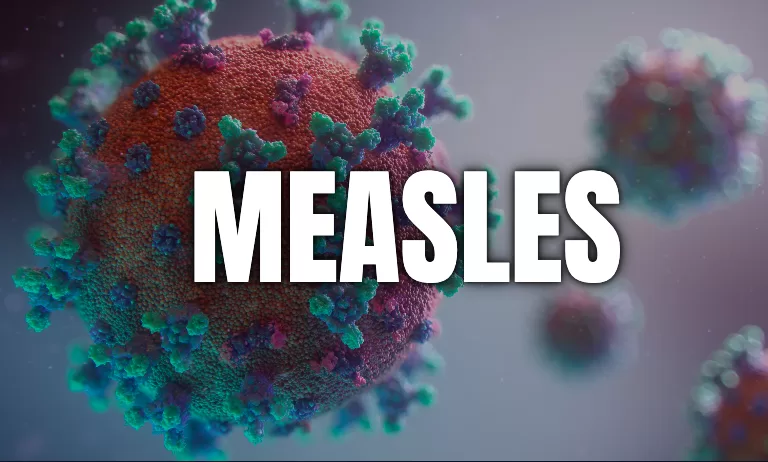
Measles is caused by an RNA virus that relies on a specific enzyme, known as viral RNA polymerase, to replicate its genetic material and multiply inside human host cells.
The experimental drug candidate, GHP-88310, acts as a broad-spectrum polymerase inhibitor. By jamming this replication engine early in the infection cycle, the molecule prevents the virus from producing high viral loads, thereby blunting the severity of the illness and reducing the amount of virus the host sheds into the surrounding air.
+-------------------------------------------------------------------+
|                  MECHANISM OF ACTION (GHP-88310)                  |
+-------------------------------------------------------------------+
|  1. Virus enters host cells                                       |
|  2. GHP-88310 targets and inhibits viral RNA polymerase           |
|  3. Viral replication stalls -> Decreased viral load               |
|  4. Reduced viral shedding -> Transmission blocked in animal model|
+-------------------------------------------------------------------+
In the study, researchers tested GHP-88310 using ferrets infected with canine distemper virus—a close genetic relative of measles that serves as the gold-standard animal model for measles-like respiratory transmission.
The results were striking:
-
Contact Transmission: The drug prevented transmission between animals sharing close physical quarters.
-
Airborne Transmission: It successfully blocked spread through shared air ducts.
-
Infectious Period: Animals treated with the compound experienced a marked reduction in the duration of viral shedding.
“This study demonstrates that the drug is suitable to augment traditional ring vaccination against measles,” noted senior author Dr. Richard Plemper, Regents’ Professor and Director of the Center for Translational Antiviral Research at Georgia State University, in an institutional report.
Why an Antiviral Is Needed Alongside Vaccination
Measles remains one of the most contagious human viruses in existence. According to data from the World Health Organization (WHO), a single infected individual can transmit the virus to 12 to 18 susceptible people in an unvaccinated population. A community requires an immunization coverage rate of 95% or higher with the two-dose Measles, Mumps, and Rubella (MMR) vaccine to maintain herd immunity and prevent community-wide transmission.
Despite the high efficacy of the MMR vaccine—which provides approximately 99% protection after two doses—gaps in global coverage continue to cause periodic resurgence. In these scenarios, an oral, shelf-stable antiviral could fill critical therapeutic gaps.
“An effective oral antiviral wouldn’t replace the vaccine, but it could offer a vital line of defense for individuals who cannot safely receive live vaccines—such as young infants, pregnant individuals, or severely immunocompromised patients,” says Dr. Aris Thorne, an independent infectious disease specialist and clinical epidemiologist not involved in the study. “It could also serve as post-exposure prophylaxis when administered quickly after a known exposure.”
Currently, there are no FDA-approved antiviral medications specifically indicated for measles. Standard care remains largely supportive, focusing on hydration, fever management, and addressing secondary bacterial infections.
| Current Standard Interventions | Limitations / Clinical Scope |
| MMR Vaccine (Post-Exposure) | Effective within 72 hours of exposure; requires functioning immune system. |
| Immune Globulin (IG) | Effective within 6 days of exposure; requires injection/infusion, limited supply. |
| Vitamin A | Recommended by WHO/CDC to prevent eye damage and reduce mortality in children, but does not stop viral replication. |
| Ribavirin | Used off-label in severe cases; lacks robust randomized clinical trial data for measles and carries significant toxicity risks. |
Public Health Implications: The Concept of “Ring Containment”
If successfully translated to human medicine, GHP-88310 could be deployed in “ring containment” strategies—a public health protocol where close contacts of a confirmed case are quickly identified and treated to choke off further transmission chains.
Potential future applications include:
-
Outbreak Suppression: Reducing viral shedding in household or school clusters to protect non-immune individuals.
-
Shortened Isolation: Potentially decreasing the mandatory isolation period for infected patients if therapeutics clear active viral shedding faster.
-
Protection for Vulnerable Populations: Offering temporary protection to infants under 12 months who are too young for the standard MMR schedule.
However, epidemiologists caution that a therapeutic pill must never be viewed as a substitute for primary immunization. Vaccines induce long-lasting memory T-cells and neutralizing antibodies that prevent infection entirely, whereas antivirals only treat active or very recent exposures.
Limitations and the Road to Human Trials
While the preclinical data published in Science Advances and Nature Microbiology are promising, several major hurdles remain before GHP-88310 could ever reach pharmacy shelves.
-
Animal Model vs. Human Biology: Ferrets provide a reliable model for paramyxovirus respiratory transmission, but safety, efficacy, and pharmacokinetics in humans can differ significantly.
-
Narrow Therapeutic Window: Measles symptoms usually appear 10 to 14 days after exposure, long after viral replication has peaked. For an antiviral to block transmission effectively in humans, it must be administered very early in the course of infection or immediately post-exposure.
-
Pediatric Safety Requirements: Because measles disproportionately affects young children, clinical trials face stringent ethical and regulatory standards to prove pediatric safety and tolerance.
The research team at Georgia State University is currently advancing GHP-88310 toward formal Phase 1 human clinical trials to evaluate safety and dosage profiles in healthy volunteers.
The Bottom Line for Consumers
For now, public health guidance remains unchanged. Medical experts urge parents and individuals to ensure their routine immunizations are up to date.
“The best way to treat measles is still to prevent it from ever taking root,” adds Dr. Thorne. “Antiviral research is a welcome development for our medical toolbox, but the MMR vaccine remains our most powerful, proven defense.”
References
https://www.deccanherald.com/health/healthcare/new-antiviral-drug-may-stop-measles-from-turning-into-an-outbreak-4088100
Medical Disclaimer: This article is for informational purposes only and should not be considered medical advice. Always consult with qualified healthcare professionals before making any health-related decisions or changes to your treatment plan. The information presented here is based on current research and expert opinions, which may evolve as new evidence emerges.