 0
0
 0
0
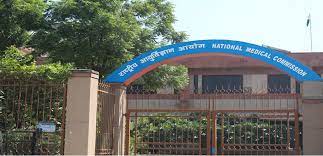
NEW DELHI — In a major regulatory action strengthening participant safety in medical research, India’s apex drug regulator, the Central Drugs Standard Control Organisation (CDSCO), has canceled the registration of seven Ethics Committees across five major Indian cities.
The regulatory order, issued on July 24, 2026, and reported on July 26, affects institutional and independent ethics boards operating in Delhi, Kolkata, Navi Mumbai, Ahmedabad, and Pune. The cancellations follow risk-based compliance inspections that revealed critical non-compliance with the New Drugs and Clinical Trials (NDCT) Rules, 2019, and Good Clinical Practice (GCP) guidelines.
The action underscores an intensifying regulatory effort to clean up trial oversight in one of the world’s fastest-growing destinations for clinical research.
What Regulators Found: Structural Breaches and Oversight Lapses
Ethics Committees serve as the primary moral and regulatory watchdog for medical studies. By law, no clinical trial can enroll human subjects or test new pharmaceuticals without active approval and continuous monitoring from a registered Ethics Committee.
According to CDSCO findings, the seven penalizing orders were issued following a structured enforcement protocol. The regulator conducted on-site inspections, evaluated site inspection reports, and issued formal show-cause notices. Regulators canceled the committee registrations only after reviewing the bodies’ Corrective and Preventive Action (CAPA) submissions and determining that the systemic deficiencies directly compromised participant safety and protocol integrity.
The seven impacted bodies include:
-
Rational Independent Ethics Committee (New Delhi)
-
Hurip Independent Bioethics Committee (Kolkata)
-
Dr. T. K. Pal Memorial Bio Ethics Committee (Kolkata)
-
Ethiwell Ethics Committee (Navi Mumbai)
-
Ethos Ethics Committee (Navi Mumbai)
-
Institutional Ethics Committee, Aatman (Ahmedabad)
-
(Additional institutional ethics panel in Pune)
Among the deficiencies cited in recent risk-based sweeps were delays in reporting Serious Adverse Events (SAEs)—such as patient hospitalization, irreversible injury, or death—failing to establish a legally valid meeting quorum, inadequate documentation of meeting minutes, and unaddressed conflicts of interest.
Anatomy of Clinical Trial Oversight
To understand why these cancellations are significant, it helps to examine how trial governance works under India’s NDCT Rules, 2019.
       [ CDSCO Central Licensing Authority ]
                        │
                        ▼ (Inspects & Registers)
             [ Ethics Committee (EC) ]
                        │
        ┌───────────────┴───────────────┐
        ▼                               ▼
[ Reviews Trial Protocols ]   [ Safety & SAE Oversight ]
  - Must have 7+ members        - Analyzes Adverse Events
  - Mandates layperson,         - Mandates reporting to CLA
    legal expert, woman,          within strict timelines
    and non-affiliated members  - Ensures free medical care
Under Indian law, an Ethics Committee must consist of a minimum of seven members from diverse disciplines. To maintain impartiality, the rules require:
-
Composition Diversity: A balance of medical scientists, healthcare providers, a legal expert, a social scientist/philosopher, and at least one layperson from the community.
-
Gender Representation: At least one female member must sit on the board.
-
Independence: At least 50% of the committee members must be unaffiliated with the institution conducting the study.
-
Conflict Management: Any member with a financial, professional, or personal interest in a protocol must recuse themselves from voting.
When these structures break down—for example, if a principal investigator sits on the very ethics panel evaluating their own study—the safety net designed to protect trial volunteers collapses.
The Public Health Stakes: Why Oversight Matters
Clinical trials are indispensable for medical innovation, testing whether new therapies are safe and effective. However, human research inherently balances potential therapeutic benefit against unknown medical risk.
When Ethics Committees fail to monitor trial sites or delay reporting severe side effects, patients bear the brunt. Under standard Good Clinical Practice (GCP) guidelines, if a patient suffers a serious unexpected reaction, the Ethics Committee must evaluate whether the experimental drug caused the harm, ensure the patient receives free medical care, and recommend financial compensation if appropriate. Delays in this chain can leave vulnerable patients without necessary care or prevent regulators from halting unsafe trial protocols nationwide.
“Ethics review is not a rubber-stamp administrative requirement; it is a vital patient-safety firewall,” explains an independent bioethics consultant who advises global research protocols. “When an ethics board overlooks unrecorded protocol deviations or fails to report adverse events on time, it places trial participants directly in harm’s way.”
Context: A Broader Regulatory Crackdown
The July 2026 cancellations are part of a broader regulatory enforcement push by CDSCO under Drugs Controller General of India (DCGI) leadership.
In June 2026, the regulator suspended the registration of the Central Ethics Committee at HCG Bangalore Institute of Oncology for 24 months. In that instance, joint inspections uncovered unrecorded patient deaths, delayed adverse event reporting, and instances where principal investigators held voting seats on the ethics panels overseeing their own trials.
| CDSCO Enforcement Action | Scope / Penalty | Primary Regulatory Violation Cited |
| HCG Central Ethics Committee (June 2026) | 24-Month Registration Suspension | Failure to report SAEs/deaths, severe conflict-of-interest breaches |
| 7 Ethics Committees (July 2026) | Registration Cancellation | Systematic non-compliance with NDCT Rules 2019 & GCP standards |
Limitations and Nuance
While these regulatory actions highlight serious administrative and procedural breaches, health experts emphasize the importance of context:
-
Process vs. Product: An Ethics Committee cancellation reflects procedural non-compliance, failure of oversight, or administrative delinquency. It does not automatically mean every medical trial under that committee resulted in physical harm to patients.
-
Targeted Scope: Penalties apply directly to the specified Ethics Committee and its operational authority. A regulatory action against an ethics board does not mean an entire hospital network or medical center is unsafe for routine healthcare.
-
Active Monitoring Continues: Under CDSCO directives, when an Ethics Committee is suspended or canceled, trial sponsors and institutions are required to transfer oversight or maintain strict, mandatory safety reporting to ensure current patients are not abandoned midway through a protocol.
What Patients and Healthcare Professionals Need to Know
For Patients and Trial Participants
If you or a family member are considering participating in a clinical trial, this regulatory action demonstrates that oversight bodies are actively monitoring study environments. You have specific rights under Indian law:
-
Ask for Proof of Approval: Request confirmation that the trial protocol has been approved by a valid, CDSCO-registered Ethics Committee.
-
Know Your Point of Contact: Ensure your Informed Consent Form (ICF) includes contact details for the Ethics Committee Chairperson or Secretary—not just the doctor running the study.
-
Report Side Effects Immediately: You are entitled to free medical management for any injury or adverse reaction resulting from a clinical trial.
For Researchers and Institutional Leaders
For principal investigators, clinical research organizations (CROs), and medical institutions, the recent enforcement actions signal a clear zero-tolerance policy for compliance failures.
Institutions should immediately audit their Ethics Committee operations, ensuring meeting quorums are strictly maintained, conflict-of-interest disclosures are updated annually, and Serious Adverse Event reporting timelines are rigorously met.
References
- https://www.deccanherald.com/health/healthcare/cdsco-cancels-7-ethics-committees-for-non-compliance-with-clinical-trial-rules-4087880
Medical Disclaimer: This article is for informational purposes only and should not be considered medical advice. Always consult with qualified healthcare professionals before making any health-related decisions or changes to your treatment plan. The information presented here is based on current research and expert opinions, which may evolve as new evidence emerges.