 0
0
 0
0
GENEVA — The World Health Organization (WHO) on Friday upgraded its national risk assessment for the Democratic Republic of Congo (DRC) to “very high” as a rapidly expanding outbreak of a rare Ebola variant threatens to overwhelm local containment efforts. The announcement, delivered by WHO Director-General Dr. Tedros Adhanom Ghebreyesus, comes less than a week after the United Nations health agency designated the crisis a Public Health Emergency of International Concern (PHEIC). Triggered by the elusive Bundibugyo virus, the outbreak began in April but went undetected for weeks, allowing it to take root across multiple provinces and breach international borders into neighboring Uganda. Health authorities are racing against time to track hundreds of suspected contacts in a volatile region complicated by active conflict, mass displacement, and a critical vulnerability: unlike more common strains of the disease, the Bundibugyo virus has no approved vaccines or targeted antiviral treatments.
Rapid Spread and Growing Numbers
According to the latest epidemiological data released by the WHO and the Africa Centres for Disease Control and Prevention (Africa CDC), the scale of the outbreak has escalated dramatically. As of May 22, 2026, health officials have documented 82 laboratory-confirmed cases within the DRC, resulting in seven confirmed deaths. However, the true magnitude of the crisis is reflected in the staggering volume of syndromic reporting, which now includes nearly 750 suspected cases and 177 suspected deaths.
The geographical expansion of the virus has stoked intense anxiety among international epidemiologists. Originally confined to the remote mining hub of Mongbwalu in the eastern Ituri province, confirmed or highly suspected cases have now been reported in major urban centers. A laboratory-confirmed case was identified in Goma, a populous eastern city of over two million people that is currently experiencing a severe humanitarian crisis due to clashes between the Congolese military and the M23 rebel group. Additionally, suspected cases have surfaced in North Kivu province, while a traveler returning from Ituri to the capital city of Kinshasa—located 1,000 kilometers away—initially triggered a national panic before testing negative on confirmatory evaluations.
The virus has also established a foothold across the border. Uganda has confirmed two cases involving individuals who traveled from the DRC into the capital city of Kampala, one of whom has since died. Both Ugandan patients required admission to intensive care units, prompting immediate ring-fencing and contact-tracing protocols in the country.
A Delayed Response and the “Bundibugyo” Challenge
A primary driver behind the WHO’s decision to elevate the risk level is the substantial head start the virus achieved. Dr. Jean Kaseya, Director-General of the Africa CDC, revealed that the outbreak began quietly around April 24, when a 59-year-old man developed severe symptoms and died in an Ituri hospital. Because early symptoms of Ebola—such as fever, intense muscle pain, and headache—overlap significantly with endemic diseases like malaria and typhoid, the cluster went unnoticed.
By the time health authorities were alerted via social media reports on May 5, fifty community deaths had already been recorded. “We still do not know the index case,” Dr. Kaseya stated, noting that a high number of active cases remain unidentified within the community, severely complicating contact tracing.
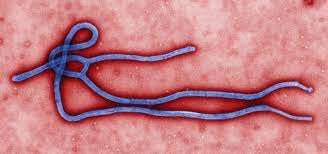
Compounding the containment challenge is the specific pathogen responsible: the Bundibugyo ebolavirus (BVD). This marks only the third time in history that this rare strain has been detected since its discovery in Uganda in 2007. While the highly publicized 2014–2016 West African epidemic and subsequent Congolese outbreaks were caused by the Zaire ebolavirus—for which scientists successfully developed the highly effective Ervebo vaccine and monoclonal antibody treatments—those medical countermeasures are entirely ineffective against the Bundibugyo variant.
Global Countermeasures and Experimental Preventions
The global health emergency declaration is designed to bypass bureaucratic red tape, opening the floodgates for international funding, technical expertise, and emergency medical logistics. In response, a specialized joint task force comprising 35 experts from the WHO and the Congolese Ministry of Health has landed in Bunia, the capital of Ituri province, alongside seven tons of specialized personal protective equipment (PPE) and isolation supplies. The DRC government has also announced plans to immediately construct three dedicated Ebola treatment centers in Ituri to isolate active cases.
In the absence of a proven vaccine, health authorities are exploring innovative, unapproved pharmaceutical interventions. Dr. Sylvie Briand, the WHO’s Chief Scientist, noted that international teams are considering the deployment of Obeldesivir, an experimental oral antiviral medication originally developed by Gilead Sciences to treat COVID-19. Emerging laboratory data suggests that Obeldesivir may possess broad-spectrum antiviral properties capable of inhibiting Ebola replication. If deployed, the drug would be administered to high-risk contacts of confirmed patients in an attempt to prevent them from developing full-blown hemorrhagic disease.
Expert Analysis and Public Health Implications
Independent public health experts stress that while the situation demands urgent international intervention, it does not currently mirror the existential threat of the COVID-19 pandemic. The WHO explicitly advised against closing international borders or restricting trade, noting that such measures often drive infected individuals underground, crippling surveillance.
“Ebola is not an airborne pathogen like influenza or SARS-CoV-2,” explains Dr. Amara Vance, an infectious disease epidemiologist at the pan-African Health Security Initiative, who is not involved in the current deployment. “Transmission requires direct contact with the bodily fluids—such as blood, vomit, or saliva—of a symptomatic individual, or contact with contaminated surfaces. While it is highly lethal, its spread can be abruptly halted through rigorous infection prevention, immediate isolation, and safe burial practices.”
However, Dr. Vance warns that the intersection of disease and conflict presents a worst-case scenario. “The eastern DRC is a combat zone. Mass displacement due to rebel offensives means hundreds of thousands of people are living in crowded, informal settlements with poor sanitation. When you layer an unvaccinable viral pathogen on top of a humanitarian crisis, traditional contact tracing becomes a monumental hurdle.”
The threat to healthcare workers is another severe concern. The WHO reported that at least four medical professionals have died after exhibiting symptoms consistent with viral hemorrhagic fever. This points to dangerous gaps in basic infection prevention and control (IPC) protocols within informal clinics, where many residents initially seek care.
What This Means for the Public
For the international public and residents of Western nations, organizations like the U.S. Centers for Disease Control and Prevention (CDC) emphasize that the immediate health risk remains very low. Nonetheless, the CDC has issued travel advisories for Americans visiting the DRC and Uganda, urging them to strictly avoid anyone exhibiting signs of illness, such as unexplained fever, severe fatigue, or rashes. Enhanced screening protocols are also being prepared at major international ports of entry to identify arriving passengers displaying potential symptoms.
For health-conscious global citizens, the crisis underscores a fundamental truth of modern biosecurity: an outbreak anywhere is a threat everywhere. Public health advocates emphasize that sustained funding for universal viral surveillance and the development of multi-strain vaccines are vital to preventing localized emergencies from evolving into global crises.
Medical Disclaimer
This article is for informational purposes only and should not be considered medical advice. Always consult with qualified healthcare professionals before making any health-related decisions or changes to your treatment plan. The information presented here is based on current research and expert opinions, which may evolve as new evidence emerges.
References
-
World Health Organization (WHO): Official Statement, “Epidemic of Ebola Disease caused by Bundibugyo virus in the Democratic Republic of the Congo and Uganda determined a public health emergency of international concern,” published May 17, 2026. [Ref: WHO/IHR-2026.1].
-
Associated Press (AP): “WHO declares global health emergency over Ebola outbreaks in Congo and Uganda,” reported by Chinedu Asadu and Saleh Mwanamilongo, updated May 17, 2026.