 0
0
 0
0
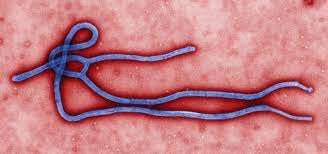
GENEVA — The World Health Organization (WHO) declared a new Ebola outbreak in the Democratic Republic of the Congo (DRC) and Uganda a Public Health Emergency of International Concern (PHEIC). Driven by the rare Bundibugyo strain of the virus, the crisis has rapidly scaled to approximately 600 suspected cases and 139 suspected deaths.
Global health officials warn that these numbers are expected to climb significantly, as the virus likely circulated silently within local communities for weeks before being formally identified.
Silent Transmission Defies Early Detection
The current outbreak is believed to have originated roughly two months ago in northeastern DRC. This delay in detection explains why the number of suspected community deaths vastly outnumbers laboratory-confirmed cases. So far, 51 cases have been laboratory-confirmed across the DRC’s Ituri and North Kivu provinces. Meanwhile, Uganda has confirmed two cases in its capital city of Kampala, including one fatality.
WHO Director-General Dr. Tedros Adhanom Ghebreyesus announced that while the Emergency Committee determined the outbreak is severe enough to trigger the highest tier of international health alerts, it does not currently meet the operational criteria for a pandemic emergency.
Because early symptoms of Ebola—such as fever, severe headache, fatigue, and muscle pain—closely mimic endemic regional diseases like malaria, typhoid, and severe influenza, the virus routinely spreads unnoticed in its initial stages.
“Investigations are ongoing to ascertain when and where exactly this outbreak started,” stated Anais Legand, a WHO technical officer based in Geneva. Legand noted that the current scale points toward community transmission that “probably began a couple of months ago.”
This timeline represents a substantial epidemiological challenge. When Ebola patients are not promptly identified, isolated, and their recent contacts traced, the velocity of regional transmission increases exponentially.
Understanding the “Bundibugyo Strain” Vaccine Gap
Ebola is a severe, frequently fatal viral illness. It is transmitted to humans through direct contact with the blood, bodily fluids, or secretions of infected individuals, as well as via contaminated materials like bedding, or during traditional burial rituals.
However, public health teams face an unprecedented obstacle with this specific crisis. While past epidemics—such as the devastating 2014–2016 West Africa outbreak—were brought under control partly through the deployment of highly effective vaccines, those countermeasures are useless here.
| Ebola Virus Strain | Available Preventive Vaccines | Approved Therapeutic Treatments | Estimated Case Fatality Rate |
| Zaire Strain (Common) | Ervebo (rVSV-ZEBOV), Zabdeno/Mvabea | Inmazeb, Ebanga (Monoclonal Antibodies) | 60% – 90% |
| Bundibugyo Strain (Rare) | None Approved | None Approved | 25% – 50% |
The approved Ervebo vaccine is strictly specific to the Zaire strain of the virus and offers no cross-protection against the Bundibugyo strain. Consequently, there are currently zero approved vaccines or targeted antiviral therapeutics available to counter this outbreak.
While the Bundibugyo strain is historically associated with a lower case fatality rate than the Zaire strain, the complete absence of a medical safety net elevates the regional risk significantly. Doctors must rely entirely on supportive clinical care—aggressive fluid resuscitation, maintaining blood pressure, managing secondary infections, and alleviating pain—to help patients survive.
Classical Countermeasures Mobilized Across Borders
Without pharmaceutical interventions, containment depends on classic, resource-intensive public health measures. Field teams are working to establish rapid diagnostic centers, strict isolation wards, contact tracing networks, and protocols for safe, dignified burials.
The emergency declaration by the WHO is specifically designed to accelerate these interventions by unlocking international funding, streamlining cross-border coordination, and deploying expert rapid-response teams into affected zones.
[Suspected Case Detected]
          │
          ▼
[Immediate Isolation] ───► [Supportive Care Provided]
          │
          ▼
[Rapid Diagnostic Test] ───► (If Positive) ───► [Strict Contact Tracing (21 Days)]
The primary public health threat stems from high population mobility and trade linkages across Central Africa. The confirmed cases in Kampala, Uganda, involved individuals who had recently traveled from the DRC, proving that the virus is actively moving along commercial transit corridors.
Independent experts emphasize that the declaration should serve as an administrative catalyst rather than a source of public panic. Dr. Diksha Goyal, a consultant of internal medicine not involved in the WHO response, explained the unique operational difficulties:
“The virus is a rare species called Ebola Bundibugyo, which standard field tests often miss. The health ministry reports that it spread widely before it was identified. This is a reminder that infectious diseases remain a global challenge in a highly connected world, but the focus must remain on hospital infection control and community engagement.”
Data Uncertainties and Public Guidance
Epidemiologists caution against overinterpreting initial case counts. In any active viral outbreak, early data is subject to flux. Total numbers may drop if subsequent laboratory analyses reclassify suspected cases as other regional illnesses. Conversely, counts may surge as surveillance networks expand into remote areas and unrecorded community deaths are uncovered.
For health-conscious individuals and the broader public, the practical guidance remains rooted in standard infection prevention:
-
Avoid direct contact with the bodily fluids of anyone exhibiting unexplained febrile illness.
-
Refrain from handling items that have been in contact with a sick individual, such as clothing or bedding.
-
Adhere strictly to local public health guidelines regarding travel and community gatherings in impacted areas.
Crucially, the WHO has explicitly advised nations against closing international borders or placing restrictions on trade. Past outbreaks demonstrate that border closures induce economic panic and drive travelers to use unmonitored, informal border crossings, which severely undermines tracking efforts and accelerates the spread of disease.
Reference Section
-
Reuters. WHO says 139 suspected Ebola deaths in Congo outbreak, numbers expected to rise. Published May 19, 2026.
Medical Disclaimer
Medical Disclaimer: This article is for informational purposes only and should not be considered medical advice. Always consult with qualified healthcare professionals before making any health-related decisions or changes to your treatment plan. The information presented here is based on current research and expert opinions, which may evolve as new evidence emerges.