 0
0
 0
0
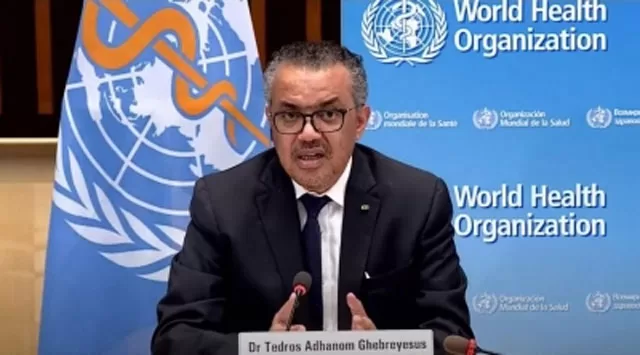
BUNIA, DEMOCRATIC REPUBLIC OF CONGO — On Saturday, May 30, 2026, World Health Organization (WHO) Director-General Dr. Tedros Adhanom Ghebreyesus arrived in eastern Democratic Republic of Congo’s (DRC) Ituri province, the epicenter of a rapidly expanding Ebola outbreak. His high-profile visit marks a critical inflection point in the region’s health crisis. Dr. Tedros issued an urgent plea for local community ownership and international solidarity as the virus spreads faster than health responders can contain it, threatening to spill over further into neighboring nations.
The crisis represents the 17th Ebola outbreak recorded in the DRC since the virus was first identified in 1976. Health officials are now engaged in a high-stakes race to halt transmission across multiple provinces and secure porous borders before the virus takes a firmer hold in neighboring Uganda.
Alarming Case Numbers and the Challenge of a Rare Strain
The scale of the current outbreak has alarmed international health agencies. According to data released by the Africa Centres for Disease Control and Prevention (Africa CDC), health authorities have registered at least 1,077 suspected Ebola cases, including 246 deaths, since the outbreak was officially declared on May 15, 2026. The virus has active transmission chains across three eastern DRC provinces: Ituri, North Kivu, and South Kivu. Furthermore, cross-border transmission has already been confirmed in Uganda, where health officials have documented nine confirmed cases and one fatality.
Compounding the severity of the situation is the specific pathogen responsible. Laboratory analysis confirmed the outbreak involves the Bundibugyo virus, a rare strain of the Ebola virus species. Unlike the more common Zaire strain—for which Merck’s Ervebo vaccine is regulatory-approved and widely deployed—the Bundibugyo strain has no licensed vaccine or targeted antiviral therapies. This scientific gap significantly complicates containment efforts.
“The case fatality rates in the past two Bundibugyo virus disease outbreaks have ranged from 30% to 50%,” noted Dr. Anais Legand of the WHO’s High Threat Pathogens Team during a press briefing. “It’s significant. It suggests that as many as five out of 10 individuals could succumb to the illness.”
Dr. Legand emphasized, however, that immediate supportive medical care can substantially improve survival outcomes.
Community Ownership Deemed Critical to Containment
Standing in Bunia, the provincial capital of Ituri, Dr. Tedros emphasized that external medical interventions and international funding are insufficient without active, grassroots community participation. Decades of regional conflict and past health crises have left a legacy of deep mistrust toward authorities, often exacerbated by modern misinformation.
“My presence here is a demonstration to the community that they are not isolated,” Dr. Tedros told reporters. “It is simple to issue directives from my comfortable office in Geneva, but I am urging my colleagues to collaborate with the community, and I am asking the communities to take measures for their own protection.”
The WHO chief underscored that local residents are not passive recipients of aid, but the primary drivers of epidemic control. “The communities understand the problems better and they know the solution as well,” Dr. Tedros added. “At the same time, community ownership is important. That’s why we are here to discuss with the community to see how the response is running and, if there are challenges, to help.”
The Race for Vaccines and Therapeutics
Because there are no approved medical countermeasures for the Bundibugyo strain, the WHO convened an urgent panel of independent scientific advisors to evaluate experimental interventions for clinical trial deployment.
| Candidate Type | Therapeutic / Vaccine Name | Developer | Current Status / Recommendations |
| Therapeutic | MBP134 | Mapp Biopharmaceutical | Recommended for prioritized clinical trial testing |
| Therapeutic | Maftivimab | Regeneron Pharmaceuticals | Recommended for prioritized clinical trial testing |
| Therapeutic | Remdesivir | Gilead Sciences | Recommended for prioritized clinical trial testing |
| Vaccine | rVSV Bundibugyo | International AIDS Vaccine Initiative (IAVI) | Identified as most promising; trials pending in 7–9 months |
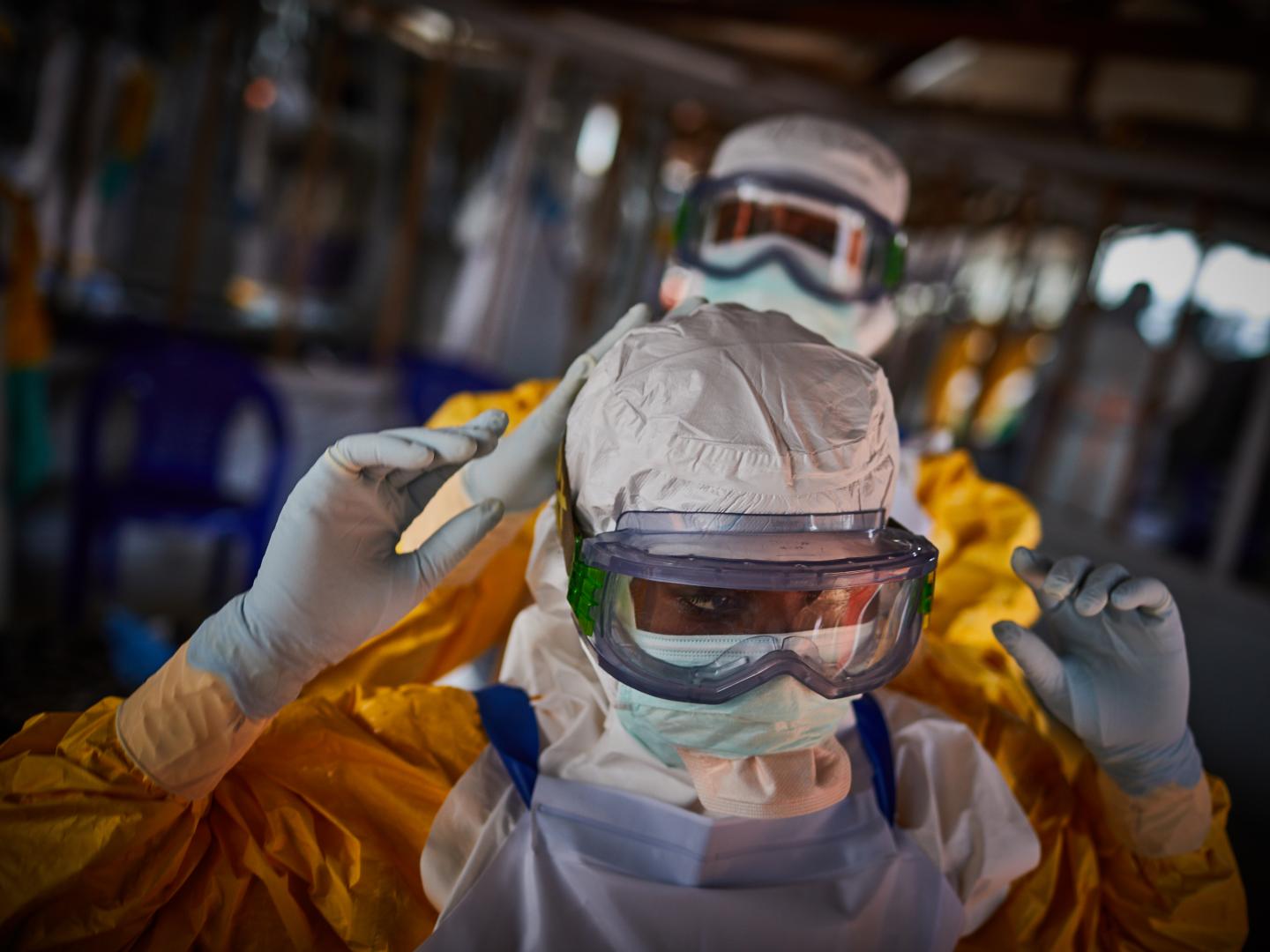
While these clinical trials are organized, health authorities stress that standard supportive care—including aggressive intravenous hydration, electrolyte stabilization, and symptom management—remains the primary, lifesaving line of defense for infected individuals.
Safe Burials and the Realities of Conflict
Public health mitigation efforts are currently focused on two primary operational hurdles: transmission during traditional burials and regional insecurity.
According to established WHO safe burial protocols, at least 20% of new Ebola infections occur during the funerals of deceased patients. The bodies of those who succumb to Ebola remain highly contagious, carrying a peak viral load. Traditional mourning practices that involve washing, touching, or kissing the deceased create immediate vectors for transmission.
To address this, health teams are deploying culturally sensitive, safe, and dignified burial protocols. These measures allow local clergy and families to participate in funeral planning—utilizing safe alternatives such as dry ablution and specific shrouding practices—without directly contacting the body.
[Ebola Patient Succumbs]
       │
       ▼
[Highly Contagious Body] ───► Traditional Contact Rites (Causes ~20% of New Infections)
       │
       ▼ (WHO Safe & Dignified Burial Protocol)
[Dry Ablution / Protective Shrouding] ───► Transmission Chain Broken
This logistical challenge is further exacerbated by geopolitical instability. Eastern DRC has been plagued by armed conflict for decades. The presence of various militia groups makes it incredibly dangerous for rapid-response health teams to track contacts or isolate suspected cases safely.
“We cannot foster community trust or isolate the ill while bombs are falling,” Dr. Tedros remarked, calling for an immediate cessation of hostilities to allow humanitarian access. The medical humanitarian organization Médecins Sans Frontières (MSF) echoed these concerns, warning that the virus is spreading at an “unprecedented rate” that threatens to overwhelm local health facilities despite recent arrivals of international aid.
Global Policy: Keeping Borders Open
Despite the declaration of the outbreak as a Public Health Emergency of International Concern (PHEIC) under the International Health Regulations, the WHO explicitly advises against international travel bans or economic restrictions on the DRC or Uganda.
Dr. Tedros argued that sealing borders is counterproductive to outbreak management. “I would also ask countries that have imposed travel bans or border closures to reconsider,” he stated, noting that such punitive measures often backfire by discouraging nations from transparently reporting new cases out of fear of economic isolation.
Congolese health officials, including Dr. Samuel-Roger Kamba, pointed out that the DRC’s extensive history with managing 16 prior Ebola outbreaks provides local teams with unparalleled field experience. Dr. Kamba urged neighboring countries to keep trade and transit corridors open while focusing resources instead on reinforced screening checkpoints at official border crossings.
Looking Ahead: Cautious Optimism Amid Structural Deficits
The international response has seen a recent influx of resources, including an additional $80 million allocation from the United States (bringing its total support above $112 million) and emergency medical shipments from the European Union. However, severe funding gaps remain. Dr. Tedros disclosed that the WHO has received only about one-third of the total budget required to sustain a comprehensive containment operation.
Despite the severe funding shortfalls, experimental gaps, and conflict-zone logistics, international and domestic health leaders maintain a posture of cautious optimism.
“There is experience in this country and under the government’s leadership, and especially with community ownership, we can stop it,” Dr. Tedros affirmed. “These are the ingredients which are important, of course, with the support from the international community as well. So the issue is in our hands. If we do our best, it can be stopped.”
Medical Disclaimer
This article is for informational purposes only and should not be considered medical advice. Always consult with qualified healthcare professionals before making any health-related decisions or changes to your treatment plan. The information presented here is based on current research and expert opinions, which may evolve as new evidence emerges.
References
-
Dr. Tedros Adhanom Ghebreyesus, Director-General, World Health Organization. Field statements and press conferences in Bunia, Ituri Province, DRC, May 30, 2026.