 0
0
 0
0
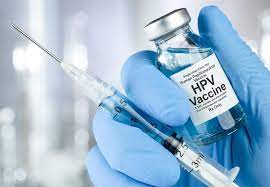
KOLKATA — In a major public health milestone, West Bengal will launch a state-run Human Papillomavirus (HPV) vaccination campaign on May 30, 2026. The initiative provides the single-dose Gardasil-4 vaccine free of charge to 14-year-old girls through government healthcare facilities. This regional drive follows India’s nationwide campaign launch on February 28, 2026, and represents a critical step forward in the country’s multi-decade strategy to eliminate cervical cancer.
State health officials have confirmed that initial vaccine supplies have already been distributed to districts. The phased campaign aims to immunize an estimated 700,000 to 1,000,000 eligible girls across the state during an intensive rollout period.
Programmatic Readiness and Vaccine Supply
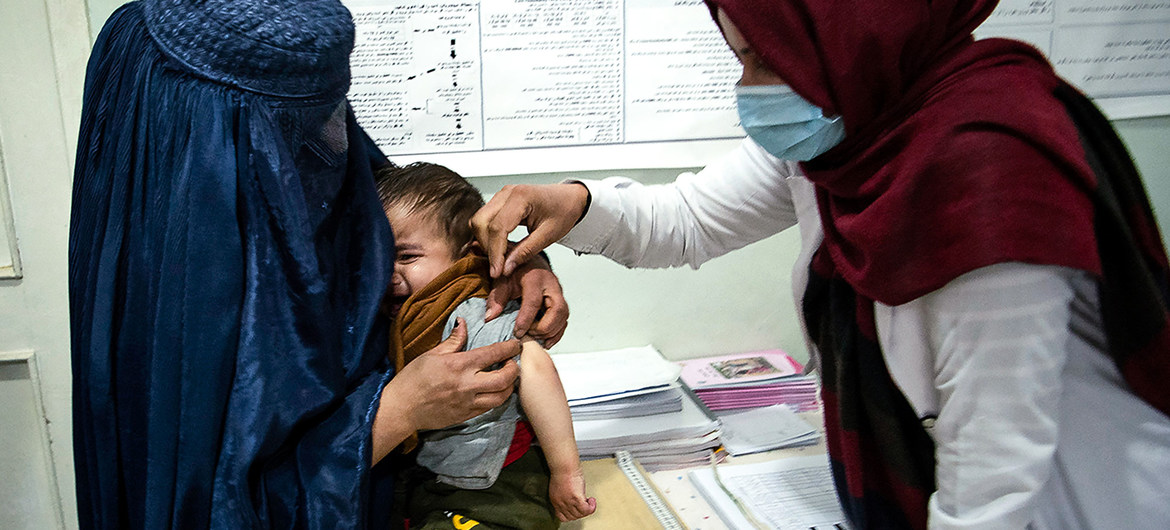
The announcement of the formal May 30 start date follows months of preparatory work by the West Bengal Department of Health and Family Welfare. Local authorities have completed extensive training for frontline healthcare workers and verified cold-chain infrastructure readiness down to the block level to ensure vaccine potency.
       WEST BENGAL HPV CAMPAIGN TARGETS (PHASE 1)
┌───────────────────────────────┬──────────────────────────────┐
│ Target Demographic            │ 14-year-old girls            │
├───────────────────────────────┼──────────────────────────────┤
│ Estimated Coverage            │ 700,000 – 1,000,000 girls    │
├───────────────────────────────┼──────────────────────────────┤
│ Vaccine Administered          │ Gardasil-4 (Quadrivalent)    │
├───────────────────────────────┼──────────────────────────────┤
│ Dosing Schedule               │ Single-dose intensive drive  │
└───────────────────────────────┴──────────────────────────────┘
The state is utilizing Gardasil-4, a quadrivalent vaccine that protects against four distinct types of HPV:
-
Types 16 and 18: High-risk strains responsible for approximately 70% of all cervical cancer cases globally.
-
Types 6 and 11: Low-risk strains that cause roughly 90% of genital warts.
India’s national program employs a single-dose schedule during this intensive campaign period. Public health authorities emphasize that while individual purchases of this vaccine in the private sector have historically been financially restrictive for many families, this government-backed drive ensures equitable access by removing all cost barriers.
Why It Matters: The Scientific Evidence
Persistent infection with high-risk strains of HPV is recognized as the primary cause of nearly all cervical cancer cases. Because the vaccine is most effective when administered before an individual is exposed to the virus—typically before sexual debut—targeting pre-adolescents is a standard epidemiological strategy.
Large-scale clinical trials and subsequent long-term population studies globally have demonstrated that HPV vaccines provide robust protection against cervical precancers and invasive malignancies. A comprehensive meta-analysis published in The Lancet by Paavonen et al. confirmed the high efficacy and reassuring safety profile of the vaccine in primary prevention.
Furthermore, recent guidance from the World Health Organization (WHO) supports the use of a single-dose schedule, noting it offers comparable efficacy to multi-dose regimens for this age group while significantly easing programmatic logistics.
Expert Perspectives on Delivery and Safety
Independent medical professionals highlight that the campaign’s structural integration into existing government networks is vital for safety and public trust.
“Delivering these vaccines through established government facilities and linking every session directly to Adverse Events Following Immunization (AEFI) management centers is standard best practice,” notes Dr. Arisudan De, a Kolkata-based pediatric consultant who is not directly involved in the state rollout. “It ensures that in the rare event of an immediate reaction, trained personnel are equipped to respond instantly. Clear communication about mild side effects is essential to build parental confidence.”
Public health officials emphasize that the intensive drive will run for a concentrated period, after which the HPV vaccine will be integrated into the state’s routine immunization services to guarantee long-term, sustained access for future cohorts.
Context and Background: The National Picture
West Bengal’s campaign is part of a larger nationwide strategy. On February 28, 2026, the central government launched a free national HPV vaccination campaign targeting an estimated 11.5 to 12 million girls aged 14 across all states and union territories. Several states initiated local rollouts earlier in the year, providing a blueprint for West Bengal’s structured launch.
While some developed nations have expanded their HPV vaccination guidelines to include boys—aiming to curb overall transmission rates and protect against other HPV-related conditions like oropharyngeal and anal cancers—India’s current public health priority remains tightly focused on 14-year-old girls. This targeted focus addresses the high disease burden of cervical cancer, which remains one of the leading causes of cancer-related mortality among women in India.
Operational Logistics: Guidelines for Families and Clinicians
For families with eligible children, navigating the vaccination process involves several straightforward steps. The state has outlined clear behavioral expectations for the day of vaccination:
For local health workers and clinicians, the rollout demands rigorous administrative diligence. Success hinges on precise record-keeping, active community outreach to reduce absenteeism, and constant readiness to document and report any health complaints through the centralized AEFI registry system.
Challenges, Limitations, and Future Outlook
Despite robust scientific backing, public health experts point out that the real-world impact of the campaign depends heavily on achieving high and equitable geographic coverage. Logistical bottlenecks in remote rural regions, localized vaccine hesitancy, and gaps in rural communication networks could potentially undermine uptake.
Additionally, while current global data indicates that a single dose provides strong short- to mid-term protection, long-term surveillance through cancer registries will be required over the next few decades to confirm the exact durability of this single-dose strategy or determine if booster doses are necessary later in life.
Public health advocates also emphasize that vaccination is not a standalone solution. Because the vaccine targets specific high-risk HPV strains, it does not eliminate all cervical cancer risks. Clinical guidelines dictate that regular cervical screening (such as Pap smears or HPV DNA testing) remains vital for women later in life, regardless of their childhood vaccination status.
Reference Section
-
Aajkaal. HPV vaccination drive to begin in West Bengal from 30th May. State distribution and consignment updates. Published May 20, 2026.
Medical Disclaimer
Medical Disclaimer: This article is for informational purposes only and should not be considered medical advice. Always consult with qualified healthcare professionals before making any health-related decisions or changes to your treatment plan. The information presented here is based on current research and expert opinions, which may evolve as new evidence emerges.