 0
0
 0
0
KINSHASA, Democratic Republic of the Congo — A newly declared Ebola outbreak in the Democratic Republic of the Congo (DRC) has recorded the highest number of confirmed cases in the first month of any Ebola outbreak in African history, the World Health Organization (WHO) reported. Declared on May 15, 2026, in the eastern Ituri province, the outbreak has rapidly breached urban centers after likely circulating undetected for months. As of June 23, 2026, the DRC has reported 1,048 confirmed cases and 267 deaths. The virus has also crossed international borders into neighboring Uganda, prompting the WHO to declare the crisis a Public Health Emergency of International Concern (PHEIC) and sparking an aggressive international containment response.
The Data: A Trajectory of Unprecedented Velocity
Public health officials emphasize that the most alarming aspect of this outbreak is its unprecedented velocity rather than its raw size alone. According to senior WHO officials, no previous Ebola outbreak on the continent has expanded this rapidly within its initial 4 weeks.
Epidemiological data released by the WHO and the European Centre for Disease Prevention and Control (ECDC) illustrates a steep upward trajectory:
-
May 15, 2026: Outbreak officially declared in Ituri province, DRC.
-
June 10, 2026: The DRC reports 676 confirmed cases and 136 deaths.
-
June 22, 2026: The tally in the DRC climbs sharply to 1,048 confirmed cases and 267 deaths.
-
June 23, 2026: Uganda confirms 20 cases and two deaths, with transmission traced to individuals traveling from the DRC, leading to localized clusters in the high-density urban areas of Kampala and Wakiso.
This rapid doubling of cases within a two-week window highlights the severe compounding effect of the virus entering densely populated metropolitan areas, where contact tracing becomes exponentially more difficult.
Why This Outbreak Demands Global Attention
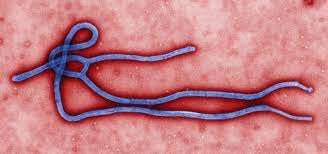
Ebola is a severe, often fatal viral illness characterized by symptoms such as fever, intense weakness, muscle pain, vomiting, diarrhea, and in some cases, internal and external bleeding. It is not an airborne pathogen; rather, it spreads through direct contact with the bodily fluids of an infected person, contaminated surfaces, or unsafe burial practices.
While rural outbreaks can occasionally be contained by isolating remote villages, urban environments present a logistical nightmare for contact tracers. Densely populated neighborhoods, crowded public transit, and highly mobile populations allow the virus to multiply chains of transmission faster than health workers can track them.
Compounding the crisis is the specific pathogen responsible: the Bundibugyo strain of the Ebola virus.
“Unlike the more common Zaire strain of Ebola, which was the target of highly effective vaccines and therapeutics developed during past outbreaks, there are currently no approved, Bundibugyo-specific vaccines or antiviral therapies available,” the WHO noted in its regional medical updates.
This biomedical deficit forces public health teams to rely entirely on traditional mitigation protocols: strict isolation, rigorous contact tracing, community engagement, and intensive supportive care.
Expert Perspectives on the Urban Surge
Independent public health experts warn that the window to prevent a wider regional catastrophe is closing quickly.
“The fact that this virus likely circulated silently for months before detection means the invisible network of transmission is already vast,” says Dr. Aruna Nsubuga, an infectious disease epidemiologist not involved in the direct response. “When a hemorrhagic fever enters major transport hubs like Kampala, the traditional ring-vaccination strategies we used in past Zaire-strain outbreaks are off the table. We are fighting a 21st-century urban outbreak with a 20th-century toolkit of basic isolation and hygiene.”
WHO response teams are currently deployed across affected zones and border districts to scale up:
-
Active Surveillance: Identifying hidden clusters of illness.
-
Rigorous Contact Tracing: Monitoring individuals exposed to confirmed cases for the standard 21-day incubation period.
-
Infection Prevention and Control (IPC): Supplying hospitals with Personal Protective Equipment (PPE) to prevent healthcare-associated transmission.
Public Health Implications and Daily Impact
For communities living within the DRC and surrounding East African border regions, the immediate threat is exacerbated by healthcare-associated exposure and the challenges of tracking contacts in volatile or insecure regions. Public health agencies are urging local residents to maintain high vigilance, practice rigorous hand hygiene, avoid contact with anyone exhibiting symptoms, and ensure that traditional burials are modified to be completely safe and managed by trained medical teams.
For health-conscious consumers outside of East Africa, international health authorities emphasize that there is no cause for general travel panic or widespread alarm. Ebola remains a rare disease that requires direct fluid contact to transmit. However, the situation serves as a stark reminder of the fragile state of global health security. The primary risk to the international community stems not from casual contact, but from potential surveillance gaps at international borders.
Limitations of the Current Data
Journalistic integrity requires noting that the figures provided by official agencies are almost certainly underestimates. Because experts believe the virus was spreading quietly for months before the May 15 declaration, many early cases and deaths likely went unrecorded or were misattributed to other endemic diseases like malaria or typhoid.
Furthermore, early epidemiological data from fast-evolving outbreaks is fluid. As surveillance infrastructure improves and remote areas are reached, case counts, mortality rates, and recovery data will inevitably shift. These numbers should be interpreted as the baseline of verified cases rather than the definitive ceiling of the outbreak.
What Readers and Caregivers Should Do
Public health agencies emphasize responsible information sharing and swift, safe action as the primary tools for the general public:
-
Rely on Verified Information: Avoid distributing unverified rumors on social media, which can fuel panic and distrust of medical workers.
-
Recognize Symptoms Early: Anyone in or returning from an affected region who experiences sudden fever, extreme fatigue, vomiting, diarrhea, or unexplained bruising should seek immediate medical isolation and testing.
-
Protect Health Workers: Clinicians and caregivers in high-risk zones must strictly adhere to IPC protocols, treating all potential hemorrhagic symptoms with the highest level of barrier protection.
Medical Disclaimer
This article is for informational purposes only and should not be considered medical advice. Always consult with qualified healthcare professionals before making any health-related decisions or changes to your treatment plan. The information presented here is based on current research and expert opinions, which may evolve as new evidence emerges.
References
- https://www.reuters.com/business/healthcare-pharmaceuticals/ebola-cases-congo-reach-highest-first-month-total-any-outbreak-who-says-2026-06-23/