 0
0
 0
0
DETROIT — Two prominent virologists from a high-security National Institutes of Health (NIH) laboratory face federal charges after allegedly smuggling 113 vials—including dozens containing deactivated mpox virus—into the United States from the Republic of Congo. The scientists are also accused of lying to Customs and Border Protection (CBP) officers to evade biosecurity checks.
The arrests occurred at Detroit Metropolitan Airport on January 25, 2026, following the researchers’ return from a nine-day trip to Africa, where a massive mpox outbreak has been raging. The federal criminal complaint, unsealed in Detroit on June 2, 2026, has sent shockwaves through the scientific community. It raises urgent questions about biosecurity protocols and accountability among elite government researchers who handle the world’s most dangerous pathogens.
The Airport Interception and Key Findings
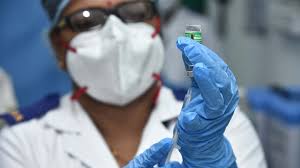
Federal prosecutors allege that Dr. Vincent Munster, 53, chief of the Virus Ecology Section at Rocky Mountain Laboratories in Hamilton, Montana, and Dr. Claude Kwe, 38, a research fellow in Munster’s section, deliberately concealed biological materials in Styrofoam coolers packed inside a black plastic case.
When questioned by CBP officers, Dr. Munster adamantly denied transporting any biological materials, claiming the case contained only “diagnostics and testing equipment.” According to FBI court filings, when pressed about missing import authorizations, Munster allegedly told investigators that the necessary documents were on his laptop, adding:
“But you don’t need them. I do this all the time.”
The FBI later deemed this statement materially false. A subsequent physical search of their luggage revealed the hidden repository of vials.
Inventory of Seized Materials
Of the 113 intercepted vials, the FBI laboratory has systematically tested an initial batch of 20. The breakdown of those initial tests includes:
-
17 vials confirmed to contain deactivated mpox virus.
-
1 vial containing varicella-zoster virus (the virus that causes chickenpox).
-
2 vials containing human DNA.
-
93 vials remaining unverified, with forensic testing ongoing.
Profile of the Accused Researchers
Both scientists are highly respected global figures in emerging infectious diseases, operating out of a Biosafety Level 4 (BSL-4) facility—the absolute highest level of biological containment, designed to safely study deadly pathogens for which there are often no vaccines or treatments.
-
Dr. Vincent Munster: A Dutch citizen who earned his Ph.D. in virology from Erasmus University Rotterdam in 2006. Munster is a premier authority on how viruses cross the species barrier to infect humans. He has been a frontline scientist in global outbreak responses for MERS-CoV, Ebola, COVID-19, and mpox.
-
Dr. Claude Kwe: A Cameroonian citizen and an accomplished research fellow working directly under Munster’s supervision within the National Institute of Allergy and Infectious Diseases (NIAID) framework.
Biosecurity Breaches and Regulatory Realities
The core of the federal government’s case does not hinge on whether the virus was live or dead, but rather on the deliberate bypass of the Centers for Disease Control and Prevention (CDC) Import Permit Program. This program is a critical line of defense designed to prevent the unauthorized entry of infectious agents into the country.
While properly deactivated biological samples may eventually clear regulatory hurdles, federal law mandates that importing entities submit a formal application through the electronic Import Permit Program (eIPP). This zero-fee process ensures that receiving laboratories are independently inspected and validated to handle the specific strain of a pathogen before it crosses U.S. borders. Furthermore, researchers must maintain rigorous, auditable paperwork detailing the exact scientific validation method used to prove a virus is truly non-infectious.
“Any deliberate effort to conceal and smuggle biological materials into the United States without proper authorization is a breach of the public’s trust and could have placed the public at risk,” stated Marcus Sykes of the Office of Inspector General at the Department of Health and Human Services (HHS).
Jennifer Runyan, Special Agent in Charge of the FBI Detroit Field Office, echoed the gravity of the infraction. “No researchers should believe their positions, credentials, or professional status place them above the law,” Runyan emphasized.
Context: The Ravaging African Mpox Outbreak
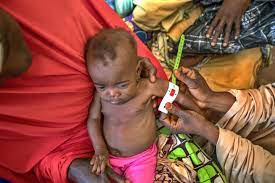
The unapproved transport of these samples occurred against the backdrop of a severe public health crisis. The Republic of Congo and the neighboring Democratic Republic of Congo (DRC) have been fighting a devastating, multi-year mpox epidemic.
Mpox Outbreak Impact (Central Africa, 2024–2026)
|---------------------------------------------------------|
| Suspected Cases:    | More than 161,000                 |
| Confirmed Cases:    | Approximately 37,000              |
| Fatalities:         | At least 2,286 suspected deaths   |
| Geographic Reach:   | Circulating across 10+ provinces   |
|---------------------------------------------------------|
The World Health Organization (WHO) originally designated the situation a Public Health Emergency of International Concern (PHEIC) in August 2024. This declaration followed the rapid emergence of Clade 1b, a mutant strain of the virus exhibiting increased transmissibility, particularly through heterosexual networks and close-contact household environments.
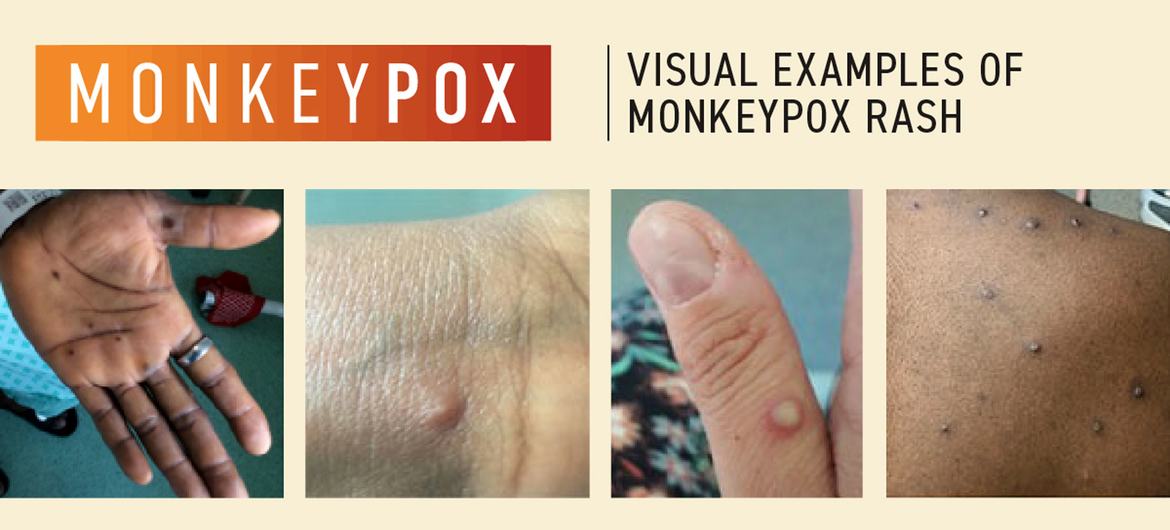
Mpox, first identified in laboratory monkeys in 1958 and found in humans in 1970, causes painful, distinct skin lesions, high fevers, and profound swelling of the lymph nodes. While a global outbreak in 2022 primarily involved the milder Clade 2 variant, Clade 1 viruses native to Central Africa carry significantly higher severe illness and mortality rates.
Unanswered Questions and Public Health Fallout
The federal criminal complaint leaves several critical gaps unfilled. Chiefly, it remains unclear why scientists of Munster and Kwe’s stature chose to bypass legal import channels, given that their home institution, Rocky Mountain Laboratories, regularly secures official permits. Observers in the scientific community speculate the duo may have been attempting to bypass bureaucratic delays to fast-track their research on the evolving Clade 1b strain, though prosecutors have not assigned a definitive motive.
Furthermore, because the FBI has only made public the results of 20 tested vials, the biological contents of the remaining 93 containers remain a blank spot in the investigation.
The NIH issued a brief statement confirming its compliance with the investigation:
“This matter is currently under investigation, and NIH is cooperating fully with law enforcement and appropriate authorities. Because this is an ongoing investigation and personnel matter, we are limited in what additional information we can provide at this time.”
Munster and Kwe both face two distinct federal counts: conspiracy to smuggle biological materials into the United States and making false statements to federal law enforcement. If convicted on both charges, each scientist faces a maximum penalty of up to five years in federal prison. Their legal proceedings are currently moving forward in the federal court system in Missoula, Montana.
For the general public, health officials emphasize that this specific incident poses zero immediate physical threat, as there is no evidence that live pathogens escaped into the community. However, the case serves as a stark reminder of why rigid bio-surveillance laws exist: when elite scientists operate outside the chain of custody, they actively jeopardize the global regulatory systems built to protect us all from catastrophic biological accidental exposures.
Medical Disclaimer
This article is for informational purposes only and should not be considered medical advice. Always consult with qualified healthcare professionals before making any health-related decisions or changes to your treatment plan. The information presented here is based on current research and expert opinions, which may evolve as new evidence emerges.
References
- https://www.ndtv.com/health/2-scientists-charged-with-bringing-deactivated-mpox-virus-into-the-us-and-lying-to-authorities-11583314