 0
0
 0
0
NEW DELHI – In the quiet corridors of the neurosurgery department at the All India Institute of Medical Sciences (AIIMS) Delhi, a troubling pattern has emerged. Patients suffering from Parkinson’s disease are finally seeking advanced surgical intervention, but for many, the clock has already run out.
As India observes the aftermath of World Parkinson’s Day, leading neurosurgeons and neurologists at AIIMS are issuing a stark warning: systemic delays and “last resort” mindsets regarding Deep Brain Stimulation (DBS) are undermining treatment success. While DBS is a transformative “pacemaker for the brain,” experts say that by the time many Indian patients are referred for the procedure, irreversible complications have often set in, rendering the surgery far less effective.
The Window of Opportunity: Understanding DBS
Deep Brain Stimulation is a neurosurgical procedure involving the implantation of electrodes into specific areas of the brain—typically the subthalamic nucleus (STN) or the globus pallidus internus (GPi). These electrodes are connected to a small device implanted in the chest that sends electrical pulses to regulate abnormal impulses.
For those living with Parkinson’s, a progressive disorder caused by the loss of dopamine-producing neurons, the primary treatment is medication like levodopa. However, as the disease progresses, patients often enter a cycle of “on-off” periods.
-
“On” periods: The medication works, and symptoms are controlled.
-
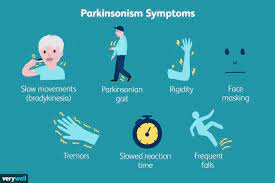
“Off” periods: The medication wears off, and tremors, rigidity, and “freezing” return.
“DBS is not a cure, but it is a powerful tool to smooth out these fluctuations,” says Dr. P. Sarat Chandra, Head of Neurosurgery and Gamma Knife at AIIMS Delhi. “It reduces the need for high-dose polypharmacy, which in turn prevents side effects like hallucinations, nausea, and debilitating involuntary movements known as dyskinesia.”
The critical issue, according to AIIMS experts, is timing. International guidelines suggest referral after four years of disease duration when motor complications first emerge. Yet, in India, only 18% to 35% of eligible patients actually undergo the procedure, often arriving years after the ideal window has closed.
India’s Unique Parkinson’s Burden
The urgency of the AIIMS warning is underscored by a shifting demographic landscape. Parkinson’s affects between 15 and 43 per 100,000 Indians, and projections suggest India will have the world’s second-highest burden of the disease by 2030.
Perhaps most alarming is the age of onset. While Parkinson’s is traditionally viewed as a disease of the elderly, 40% to 45% of cases in India are now classified as early-onset, affecting individuals between the ages of 22 and 49. Experts attribute this trend to a complex mix of genetic factors, environmental pollution, and industrialization.
“In younger patients, the stakes are even higher,” notes Dr. A. Elavarasi, Professor of Neurology at AIIMS. “These are individuals in their prime working years. Timely recognition and referral can mean the difference between continued employment and total disability.”
The “Last Resort” Myth
The primary barrier to successful treatment is a pervasive misunderstanding among both patients and general physicians: the idea that DBS should only be considered when all else has failed.
“By the time a patient reaches us with severe gait freezing or postural instability, the benefits of DBS are limited,” explains Dr. Manjari Tripathi, Head of Neurology at AIIMS. “DBS works best on symptoms that still respond to levodopa. If a patient waits until they can no longer walk even with medication, the surgery cannot ‘reset’ that damage.”
The Cost of Delay
Data suggests that early DBS intervention leads to a 26% higher quality of life and a 61% reduction in levodopa-induced complications compared to standard medical therapy. Conversely, late referrals often lead to:
-
Ineligibility: Patients may develop cognitive decline or secondary conditions that make surgery too risky.
-
Axial Symptoms: Issues like falling and balance problems often do not respond to electrical stimulation.
-
Psychiatric Risks: Long-term use of high-dose medications can lead to neuropsychiatric issues that complicate surgical recovery.
Barriers Beyond the Clinic
While clinical delays are significant, systemic hurdles also play a role. The cost of DBS in India ranges from ₹20 to ₹27 lakhs ($24,000–$32,000 USD). Despite the expansion of government schemes like Ayushman Bharat, current caps often exclude the high cost of DBS hardware, leaving the procedure out of reach for many.
Geographic inequity also persists. Most advanced movement disorder centers are located in urban hubs, leaving rural populations with limited access to specialists who can identify the early “wearing-off” signs of medication.
New Horizons: Focused Ultrasound
For those who are ineligible for DBS due to age or fear of invasive surgery, AIIMS has announced a new alternative. By August 2026, the institute plans to introduce MR-guided Focused Ultrasound (FUS).
This non-invasive technology uses concentrated sound waves to treat tremors and dyskinesia without opening the skull. While it is typically used for one side of the body and is not yet a first-line replacement for DBS, it offers a “middle ground” for frail patients or those with specific tremor-dominant Parkinson’s.
Advice for Patients and Caregivers
The consensus from the medical community is clear: be proactive rather than reactive. If you or a loved one has been diagnosed with Parkinson’s for more than four years and you notice that medications are becoming less predictable—or if you are experiencing involuntary “jerking” movements—it is time to consult a movement disorder specialist.
“Don’t wait for the ‘Hail Mary’ moment,” says Dr. Satish Verma, Additional Professor of Neurosurgery at AIIMS. “The goal of modern medicine is to maintain independence, not just to react to catastrophe. If the ‘brakes’ are failing, you fix them before the car skids.”
Medical Disclaimer
This article is for informational purposes only and should not be considered medical advice. Always consult with qualified healthcare professionals before making any health-related decisions or changes to your treatment plan. The information presented here is based on current research and expert opinions, which may evolve as new evidence emerges.
References