 0
0
 0
0
NEW DELHI — In a move to address India’s escalating metabolic health crisis, Union Minister Dr. Jitendra Singh released a landmark medical textbook on March 29, 2026, warning that “hidden” abdominal fat poses a greater risk to the Indian population than general obesity. The manual, titled Advances in Obesity and Lipid Management in CVD, arrives as medical experts sound the alarm on the “thin-fat” phenotype—individuals who appear lean but carry dangerous levels of internal visceral fat.
Addressing a gathering of the nation’s leading cardiologists, Dr. Singh emphasized that for Indians, the weighing scale often tells only half the story. “Abdominal or central obesity is a greater risk factor compared to overall obesity,” Singh stated. “In the Indian context, even lean and thin-looking individuals often carry significant visceral fat, which predisposes them to a wide spectrum of metabolic disorders.”
The Silent Killer: Understanding Visceral Fat
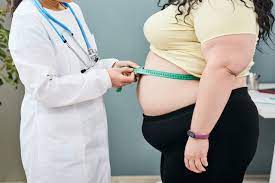
While general obesity is measured by Body Mass Index (BMI), central obesity refers specifically to fat stored around the abdomen. Unlike subcutaneous fat (the pinchable fat under the skin), visceral fat wraps around internal organs like the liver, pancreas, and intestines.
Medical research has long suggested that South Asians possess a unique “Asian Indian Phenotype.” This genetic and lifestyle predisposition means Indians tend to have higher body fat percentages and higher levels of visceral fat at lower BMI levels compared to Western populations.
Key Metabolic Risks
According to the findings highlighted in the new textbook, central obesity acts as an independent determinant for:
-
Type 2 Diabetes: Abdominal fat is metabolically active, releasing inflammatory proteins that trigger insulin resistance.
-
Non-Alcoholic Fatty Liver Disease (NAFLD): Excess fat is stored directly in the liver, leading to inflammation and scarring.
-
Dyslipidemia: Abnormal levels of cholesterol and triglycerides, specifically low HDL (good cholesterol) and high VLDL.
-
Early-Onset Hypertension: Increased pressure on the kidneys and vascular system.
A Shift Toward “Precision Prevention”
The textbook, edited by renowned cardiologist Dr. H.K. Chopra and featuring contributions from over 300 global experts, marks a shift from traditional weight management to “precision prevention.”
The publication details the arrival of cutting-edge pharmacological interventions now entering the Indian clinical space. These include GLP-1 receptor agonists such as Semaglutide and Tirzepatide, which have shown significant efficacy in reducing both body weight and cardiovascular events. Furthermore, the book explores advanced lipid-lowering strategies like PCSK9 inhibitors and Inclisiran (a gene-silencing therapy), which offer hope for patients who are resistant to traditional statins.
“We are moving away from a one-size-fits-all approach,” noted Dr. H.K. Chopra during the launch. “By integrating AI-enabled clinical decision systems and digital health monitoring, we can identify high-risk ‘lean-obese’ individuals before they suffer a primary cardiac event.”
The Public Health Challenge: 2050 Projections
The urgency of this publication is underscored by sobering statistics. Projections cited by the Ministry suggest a sharp rise in obesity prevalence in India by 2050 if current lifestyle trends continue. This “ticking time bomb” is increasingly affecting younger populations, with cardiac events being reported in individuals in their 30s and 40s.
Dr. Singh noted that this initiative aligns with Prime Minister Narendra Modi’s vision for a “Swasthya Bharat” (Healthy India), emphasizing that medical intervention must be paired with public awareness.
“The presence of visceral fat around the abdomen, even without generalized obesity, has significant clinical implications and requires early detection,” Dr. Singh remarked.
Balancing the Narrative: The Risks of “Quick Fixes”
While the Minister advocated for aggressive management of central obesity, he also issued a stern warning against “unscientific” approaches to fitness. In an era of viral social media fitness trends, many young Indians are turning to extreme diets or overexertion in the gym without medical supervision.
“Excessive or unscientific approaches to fitness, including overexertion without adequate preparation or rest, may also pose health risks,” Singh cautioned. He instead urged for “sustained lifestyle discipline,” prioritizing adequate sleep and scientifically guided preventive care over “crash” transformations.
Limitations and Considerations
Critics and some lifestyle medicine experts argue that while new drugs like Semaglutide are revolutionary, they are not a panacea for the Indian middle class due to high costs and the potential for muscle mass loss if not paired with resistance training. Additionally, some researchers suggest that focusing solely on “central obesity” might overlook other factors like chronic stress and environmental pollutants, which also contribute to India’s heart disease burden.
Practical Steps for Readers
For the average consumer, the message is clear: the waistline matters more than the weight. Health experts recommend the following:
-
Monitor Waist-to-Hip Ratio: A waist circumference of more than 90 cm (35 inches) for men and 80 cm (31 inches) for women in India is generally considered a high-risk indicator for metabolic disease.
-
Focus on Fiber and Healthy Fats: Reducing the consumption of refined oils and ultra-processed carbohydrates is essential to reducing visceral fat.
-
Routine Screenings: Even if you look “fit,” regular checks for blood pressure, blood sugar, and lipid profiles are necessary to catch “silent” metabolic shifts.
As India marches toward its 2050 goals, the focus must remain on early screening and the recognition that health is not merely the absence of visible weight, but the metabolic balance within.
References
- https://www.pib.gov.in/PressReleasePage.aspx?PRID=2246658®=3&lang=1
Medical Disclaimer: This article is for informational purposes only and should not be considered medical advice. Always consult with qualified healthcare professionals before making any health-related decisions or changes to your treatment plan. The information presented here is based on current research and expert opinions, which may evolve as new evidence emerges.