 0
0
 0
0
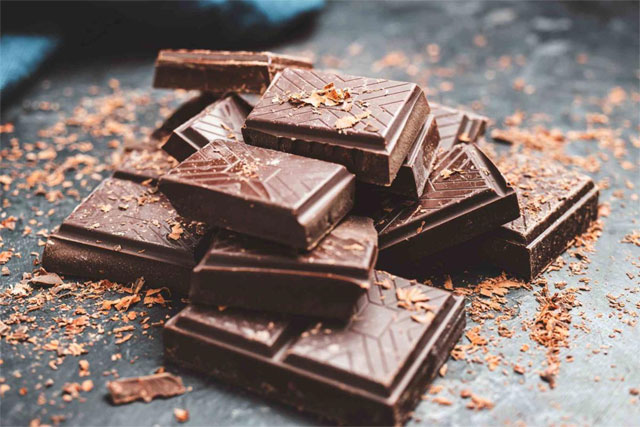
LONDON — New research from King’s College London suggests that your daily square of dark chocolate might be doing more than just satisfying a craving; it could be slowing down your internal biological clock. In a study published December 10, 2025, in the peer-reviewed journal Aging, researchers discovered that higher blood levels of theobromine—a natural alkaloid found in cocoa beans—are significantly associated with slower epigenetic aging and longer telomeres in adults. The findings offer a compelling molecular look at how dietary habits influence the way our bodies age at a cellular level.
Unlocking the Epigenetic Clock
While chronological age is simply the number of candles on a birthday cake, biological age reflects the functional state of a person’s cells and tissues. To measure this, researchers use “epigenetic clocks,” which analyze DNA methylation—chemical tags on our genetic code that change as we age or are exposed to environmental stressors.
The study, led by Dr. Ramy Saad and Professor Jordana Bell of King’s College London, analyzed data from two major European groups: 509 women from the TwinsUK study and 1,160 adults from the German KORA cohort. By measuring serum levels of theobromine alongside DNA methylation profiles, the team found a striking correlation.
Individuals with higher levels of theobromine showed a reduced GrimAge acceleration. GrimAge is a highly respected epigenetic clock known for its ability to predict mortality and the onset of age-related diseases. Furthermore, theobromine levels were linked to longer DNAmTL, an epigenetic estimate of telomere length. Telomeres act as protective caps on the ends of chromosomes; when they become too short, cells can no longer divide, leading to tissue decay and disease.
The Specificity of Theobromine
Theobromine is a member of the methylxanthine family, closely related to caffeine. However, unlike caffeine, which acts as a potent central nervous system stimulant, theobromine provides a milder, longer-lasting energy boost and has distinct effects on the cardiovascular system.
What makes this study particularly noteworthy is that the association remained significant even after researchers adjusted for factors like Body Mass Index (BMI), smoking status, and the presence of other metabolites found in coffee and cocoa. This suggests that theobromine itself, rather than just a healthy lifestyle in general, may be a key driver of these anti-aging markers.
“Our study finds links between a key component of dark chocolate and staying younger for longer,” said senior author Professor Jordana Bell, Professor of Epigenomics at King’s College London. “This helps us understand dietary clues to longevity, though it is important to interpret these findings within the context of a balanced diet.”
Expert Perspectives: Why Cocoa Matters
The scientific community is viewing these results as a vital piece of the “nutrigenomics” puzzle—the study of how food affects our genes.
Dr. Ramy Saad, the lead researcher, described the findings as “very exciting,” noting that the next step is to explore exactly how these dietary metabolites interact with our epigenome. Some experts suggest that theobromine may influence DNA methyltransferases (the enzymes that add those chemical tags to DNA) or reduce systemic inflammation that typically accelerates the biological clock.
Dr. Ana Rodriguez-Mateos, Professor of Human Nutrition at King’s College London, who was not a lead author on this specific paper but specializes in cocoa research, noted the potential for synergy. Cocoa is rich in polyphenols (specifically flavanols), which are already known to improve blood pressure and vascular health. The presence of theobromine may work in tandem with these compounds to provide a “one-two punch” against cellular decline.
Public Health and the Aging Population
The implications of slowing biological aging are vast. With the World Health Organization projecting that 1.5 billion people will be over the age of 65 by 2050, identifying accessible dietary interventions to delay age-related diseases—such as heart disease, type 2 diabetes, and neurodegeneration—is a global health priority.
Epigenetic markers like GrimAge are increasingly used by researchers to identify high-risk individuals before they show clinical symptoms of disease. If a natural compound like theobromine can reliably influence these markers, it could lead to new preventative strategies or even targeted supplements.
The “Bitter” Truth: Limitations and Moderation
Despite the promising data, health experts are quick to warn against a “chocolate free-for-all.”
-
Correlation vs. Causation: This was an observational study. While it shows a strong link, it does not prove that eating more theobromine causes slower aging.
-
Demographics: The study focused primarily on European populations. It remains to be seen if the same effects are observed in more ethnically diverse groups.
-
Sugar and Fat: Much of the chocolate available on supermarket shelves is loaded with sugar and saturated fats, which can cause inflammation and weight gain—effectively undoing any benefit the theobromine might provide.
Practical Advice for Consumers
How can you apply these findings to your daily life? If you are looking to boost your theobromine intake responsibly, consider these tips:
-
Go Dark: Aim for chocolate that is 70% to 85% cocoa. This provides the highest concentration of theobromine (roughly 800 mg per 100g) while keeping sugar levels lower.
-
Portion Control: Experts generally recommend a small square (about 20–30 grams) daily.
-
Cocoa Powder: Unsweetened cocoa powder added to smoothies or oatmeal is a low-calorie way to get the compound without the added fats of a chocolate bar.
-
Know Your Limits: While human toxicity is extremely low, theobromine is a mild stimulant. Those sensitive to caffeine may experience jitteriness or sleep disruption if they consume large amounts late in the day.
Looking Ahead
The research team at King’s College London is now looking toward randomized controlled trials (RCTs). These trials would involve giving participants controlled doses of theobromine and monitoring their epigenetic markers over several years to confirm the anti-aging effects. Until then, theobromine remains a promising candidate in the search for the “fountain of youth” found in our pantries.
Medical Disclaimer: This article is for informational purposes only and should not be considered medical advice. Always consult with qualified healthcare professionals before making any health-related decisions or changes to your treatment plan. The information presented here is based on current research and expert opinions, which may evolve as new evidence emerges.
References
- https://www.earth.com/news/natural-compound-theobromine-in-dark-chocolate-coffee-linked-to-slower-aging/