 0
0
 0
0
NEW DELHI — The National Board of Examinations in Medical Sciences (NBEMS) has officially announced that its 23rd Convocation will take place on May 23, 2026. The ceremony, to be held at the Dr. Ambedkar International Centre in New Delhi, marks a pivotal milestone for hundreds of doctors who have completed rigorous postgraduate training. While the event is an academic celebration, its implications stretch far beyond the auditorium walls, signaling a vital infusion of highly trained specialists into India’s evolving healthcare infrastructure.
A Milestone for Indian Healthcare Delivery
The convocation serves as the formal “finish line” for candidates from notified sessions of the Diplomate of National Board (DNB), Doctorate of National Board (DrNB), Fellow of National Board (FNB), and NBEMS Diploma programs.
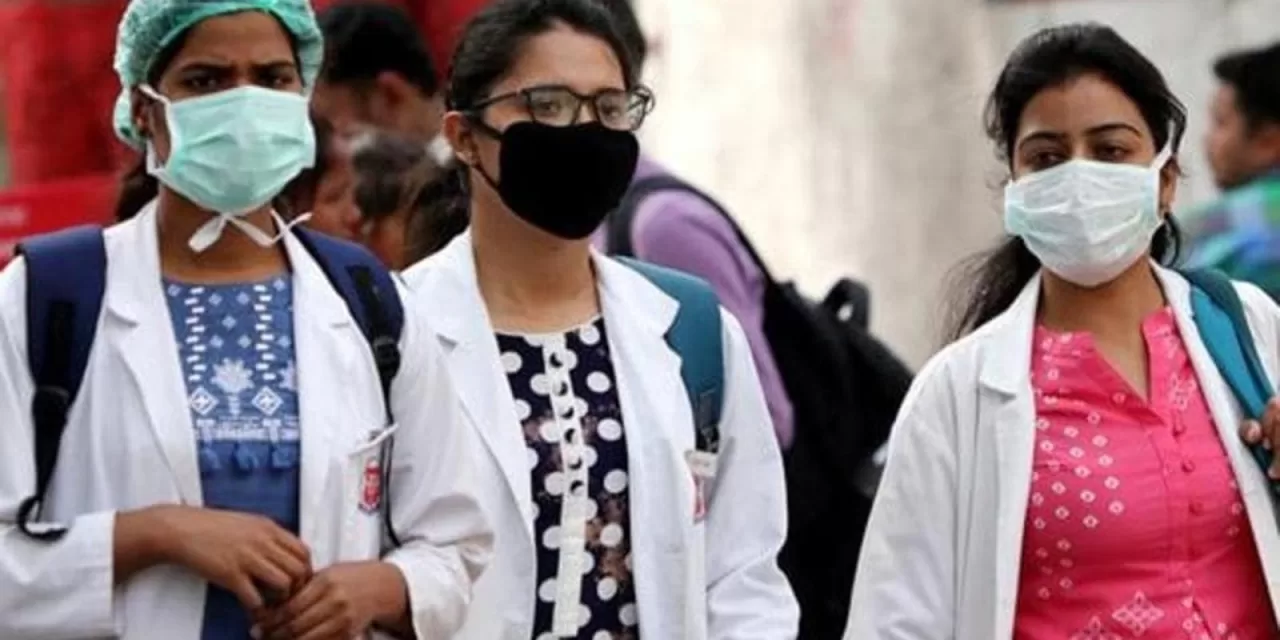
For the average patient, these acronyms represent the backbone of specialty care in India. Whether a patient is seeking a cardiologist, a pediatrician, or a surgical specialist, there is a high statistical likelihood that their physician was trained or certified through the NBEMS pathway.
Key Event Logistics
According to the official schedule published on the NBEMS portal, the day is structured with strict adherence to protocol:
-
Reporting Time: 7:30 am for mandatory registration and verification.
-
Ceremony Hours: 10:00 am to 1:30 pm.
-
Venue: Dr. Ambedkar International Centre, New Delhi.
-
Attendance Policy: Gold medal awardees are invited to receive their honors in person, with a limit of three guests per awardee. Children under the age of 14 are not permitted.
Decoding the Credentials: What “DNB” Means for Patients
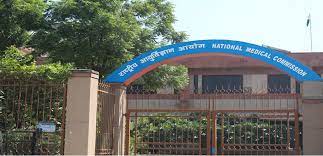
Understanding the significance of this convocation requires understanding the role of the NBEMS. Formerly known as the National Board of Examinations (NBE), this autonomous body under the Ministry of Health and Family Welfare was established to standardize postgraduate medical education across India.
When a doctor carries a DNB or DrNB title, it signifies they have passed a national-level exit examination that is widely considered one of the most challenging in the medical field.
“Convocations are more than just a rite of passage; they represent the formal transition from a supervised trainee to an independent specialist,” says Dr. Aruna Singh, a veteran medical educator not involved in the NBEMS administration. “For the public, this is a marker of quality assurance. It confirms that the specialist has met a unified, national standard of competency.”
The Workforce Impact
India continues to face a disparity in the doctor-to-patient ratio, particularly in high-level specialties. The graduation of these cohorts directly impacts:
-
Specialist Availability: Increasing the number of board-certified surgeons, internists, and diagnostic experts.
-
Rural Healthcare Reach: Many DNB programs are situated in large private and public secondary-care hospitals, often filling gaps in regions where traditional MD/MS college seats are limited.
-
Standardized Care: By maintaining a uniform examination system, the NBEMS ensures that a specialist in a tier-2 city has demonstrated the same knowledge base as one in a major metropolitan hub.
Protocol and Administrative Rigor
The 23rd Convocation follows a framework similar to the 22nd ceremony held in 2024, emphasizing continuity in the board’s administrative model. The NBEMS has issued clear directives to ensure the integrity of the proceedings:
-
Verification: Awardees must present original government-issued photo identification.
-
Registration: Entry is strictly controlled via registration badges issued only after on-site verification.
-
Dress Code: In a nod to tradition and professional decorum, the NBEMS will provide official attire for the ceremony.
-
Postal Dispatch: For those unable to attend the New Delhi event, the board has assured that medals and degrees will be dispatched via post to registered addresses, ensuring no graduate is left without their credentials.
Context and Limitations
While the convocation is a celebratory indicator of a growing medical workforce, health experts urge a balanced perspective. The ceremony itself is an administrative and ceremonial event; it is not a clinical study and does not directly correlate with immediate changes in national disease outcomes.
Furthermore, the “specialist” designation is the beginning of a professional journey, not the end. Patients are encouraged to view board certification as a foundational credential. Clinical experience, institutional reputation, and patient-doctor communication remain essential components when choosing a healthcare provider.
Logistically, the NBEMS notes that these details are subject to change. Prospective attendees are encouraged to monitor the official natboard.edu.in portal for any revisions to security protocols or scheduling.
The Public Health Perspective
As India strives to meet the healthcare demands of its 1.4 billion citizens, the “pipeline” of medical talent is a critical metric of national health security. The 23rd Convocation highlights the scale of this pipeline. By certifying doctors in specialized fellowships (FNB) and diplomas, the NBEMS addresses niche gaps in the medical system—such as critical care, infectious diseases, and reproductive medicine—that are essential for tackling modern public health challenges.
In the words of health communication experts, clear reporting on these milestones helps build public trust in medical institutions. When patients understand the rigorous path their doctors have taken to earn their titles, it fosters a more informed and confident healthcare consumer base.
References
- https://medicaldialogues.in/news/health/nbe/nbe-to-hold-its-23rd-convocation-on-may-23-check-details-168877
Medical Disclaimer: This article is for informational purposes only and should not be considered medical advice. Always consult with qualified healthcare professionals before making any health-related decisions or changes to your treatment plan. The information presented here is based on current research and expert opinions, which may evolve as new evidence emerges.