 0
0
 0
0
GENEVA — Warning that a hidden wave of drug-resistant infections is quietly compromising modern medicine, the World Health Organization (WHO) released a sweeping global blueprint on June 30, 2026, designed to overhaul how nations track, diagnose, and treat fungal diseases.
The strategy arrives as health agencies warn that fungal pathogens now strike more than 300 million people annually, claiming millions of lives worldwide. Despite this massive footprint, these infections remain starkly underrepresented in national healthcare budgets, global disease tracking, and mainstream strategies for combatting antimicrobial resistance (AMR).
With the launch of the new Blueprint for strengthening responses to fungal disease and antifungal resistance, the WHO is urging member states to integrate fungal threats into the heart of public health planning. The framework coordinates action across human medicine, agriculture, and environmental health—a unified strategy known as a One Health approach.
A Rising Threat to Vulnerable Patients
Fungal infections range from manageable, superficial conditions like ringworm and nail infections to invasive, highly lethal bodily invasions. For healthy individuals, heavy environmental exposure to fungal spores rarely triggers severe illness. However, the true danger lies in how these pathogens exploit weakened defenses.
Fungal diseases represent a profound crisis for specific patient populations, including:
-
Individuals living with compromised immune systems, such as people with advanced HIV or severe primary immunodeficiencies.
-
Patients undergoing intensive cancer treatments like chemotherapy.
-
Organ or bone marrow transplant recipients on immunosuppressive regimens.
-
Critically ill individuals in intensive care units (ICUs) fighting off secondary complications.
“Fungal disease is not a rare, niche problem confined to tropical climates or textbooks,” noted technical coordinators involved in drafting the blueprint. “It is a fast-evolving public health crisis that the vast majority of countries are currently ill-equipped to track, let alone safely treat.”
Why Antifungals are Losing Their Power
A central driver behind the WHO’s urgency is the rapid acceleration of antifungal resistance—the biological process where fungi evolve to survive the medications manufactured to destroy them.
Alarmingly, much of this resistance is not originating within hospital walls. Instead, it is being forced by environmental human activity. Industrial farming and global agriculture heavily rely on chemical fungicides to protect crops from blights and molds. These agricultural chemicals are molecular look-alikes—or chemical analogues—to the precious azole medications used as first-line treatments in human medicine.
[Agricultural Fungicides distributed on crops]
                    │
                    ▼
[Fungi in soil/air mutate to survive chemicals]
                    │
                    ▼
[Resistant spores inhaled by vulnerable patients]
                    │
                    ▼
[Standard hospital treatments fail to work]
Because fungi cells are structurally complex and fundamentally similar to human cells, developing safe, new therapeutic drugs is an uphill battle. While bacteria can be targeted with hundreds of different antibiotic options, human medicine has relied on only a handful of primary antifungal classes developed over the last several decades. When a fungus learns to bypass these few lines of defense, medical professionals are often left with zero viable treatment options.
The Path Forward: The WHO Four-Domain Strategy
The newly issued guidance provides a concrete roadmap built through meticulous, multi-stage consultations with more than 150 international experts. The framework organizes necessary national investments into four interconnected operational pillars:
| Strategic Domain | Core Action Objective |
| Public Health & Health Systems | Incorporating fungal care into universal health coverage and national safety nets. |
| New Therapies & Diagnostics | Stimulating commercial and public investment into rapid tests and novel drug classes. |
| Laboratory & Surveillance Capacity | Building resilient diagnostic networks capable of catching outbreaks early. |
| Social & Environmental Drivers | Regulating agricultural fungicide runoff and studying climate-driven fungal migration. |
The blueprint also introduces 12 catalytic entry points—practical, measurable investment markers that allow local governments to assess their baseline diagnostic capabilities and chart progress.
“The updated Global Action Plan on AMR explicitly recognizes that antifungal resistance is an integral, inseparable part of the broader antimicrobial resistance challenge,” said Dr. Jean Pierre Nyemazi, Acting Director of WHO’s Department of Antimicrobial Resistance. “It is a threat we can no longer afford to overlook. This blueprint finally hands countries a concrete path forward.”
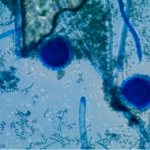
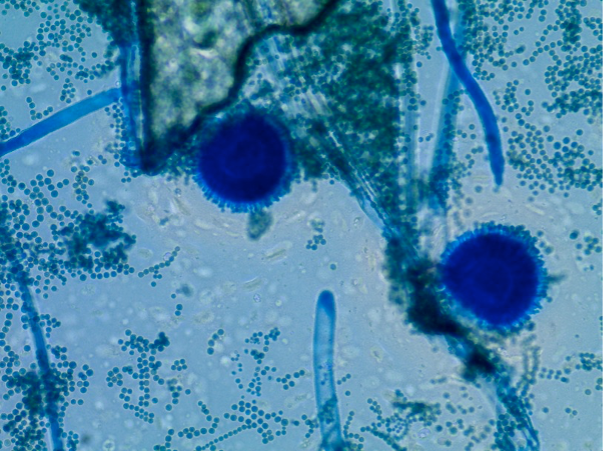
This guidance builds upon the foundation laid by the WHO’s landmark 2022 Fungal Priority Pathogens List, which systematically ranked threats into critical, high, and medium categories to guide research and development. Critical species, such as Candida auris—which can sweep through hospital wards causing lethal bloodstream infections—and Aspergillus fumigatus, continue to underline the need for immediate, coordinated action.
Navigating Major Roadblocks to Global Implementation
Despite the publication of this comprehensive strategy, public health advocates admit that closing the execution gap will be incredibly difficult. In low- and middle-income regions, basic fungal diagnostic tests are virtually non-existent, and medical personnel lack formal training in clinical mycology (the study of fungi).
There is also intense academic debate regarding the exact global mortality toll. Because so many fungal deaths occur in patients already suffering from complex underlying conditions like advanced cancer or severe respiratory viruses, the fungal infection is frequently omitted from official death certificates.
While conservative assessments put the annual toll in the hundreds of thousands, some international health networks estimate that severe fungal infections may contribute to several million deaths annually. This uneven data forces public health officials to budget and plan amid structural uncertainty.
What This Means for Everyday Health Decisions
For health-conscious consumers and patients, the global alert carries a straightforward message: respect antifungal treatments exactly as you would traditional antibiotics.
Key Consumer Takeaways:
Avoid Self-Prescription: Over-the-counter misuse of topical or oral antifungal creams can inadvertently train local fungi to become resistant.
Complete the Full Course: Always take antifungal prescriptions exactly as directed by a physician, even if physical symptoms disappear midway through treatment.
Advocate for Testing: If you or a loved one are managing a weakened immune system, don’t hesitate to ask your medical team about early diagnostic screening for fungal complications during illnesses.
“Fungal resistance is a hidden variable in patient safety,” added Hatim Sati, a WHO technical officer who helped coordinate the blueprint’s assembly. “By standardizing surveillance frameworks, we can catch these pathogens before they blend silently into the background of our healthcare systems.”
References
Core Institutional Reports & Policies
-
World Health Organization. (June 30, 2026). Blueprint for strengthening responses to fungal disease and antifungal resistance. Geneva: World Health Organization.
Medical Disclaimer: This article is for informational purposes only and should not be considered medical advice. Always consult with qualified healthcare professionals before making any health-related decisions or changes to your treatment plan. The information presented here is based on current research and expert opinions, which may evolve as new evidence emerges.