 0
0
 0
0
KINSHASA, DEMOCRATIC REPUBLIC OF THE CONGO — Health authorities in the Democratic Republic of the Congo (DRC) are racing to trace individuals exposed to the Ebola virus across two newly identified provinces. This critical development signals that the current outbreak is expanding beyond its initial epicenter in the eastern region of the country, complicating international containment efforts and raising serious public health concerns.
According to reports from Reuters on June 30, 2026, individuals who had contact with confirmed Ebola cases in the town of Niania recently fled to Haut-Uele province. Concurrently, internal health ministry data indicates that the virus has now compromised an additional province, expanding a crisis that has already infected 1,307 people and claimed 377 lives as of late June.
The broadening geographic footprint of the virus presents a severe test for a region already grappling with deep-seated infrastructural and security challenges.
A Widening Geographic Threat
The latest tracking efforts indicate that the virus is migrating away from its primary clusters. Until recently, confirmed cases of Ebola were heavily concentrated in three eastern provinces: Ituri, North Kivu, and South Kivu. The sudden movement of exposed individuals into Haut-Uele and another newly affected territory marks a dangerous turning point.
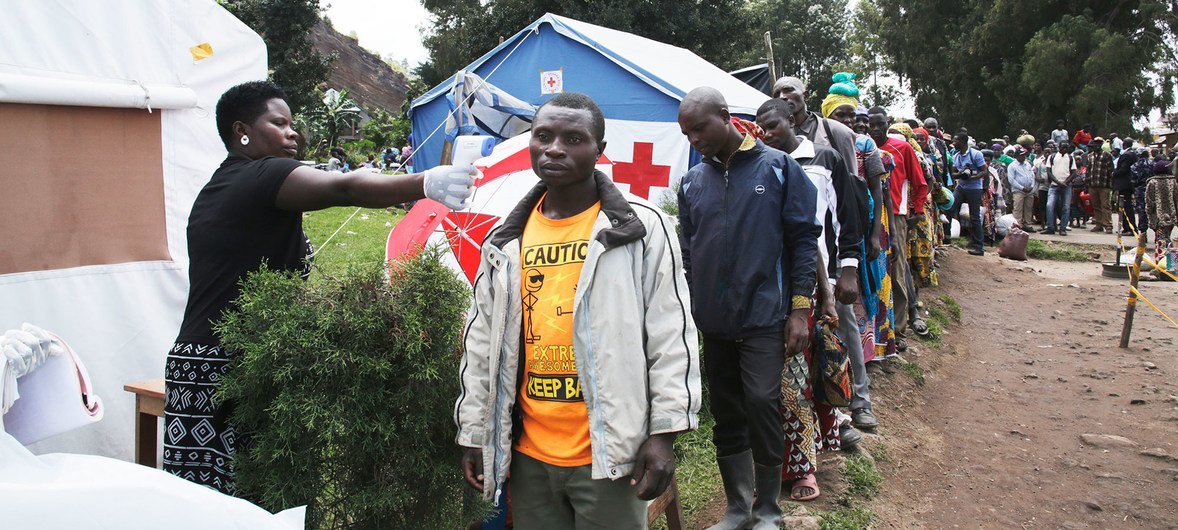
Ebola is highly infectious and transmits through direct contact with the bodily fluids—such as blood, saliva, or sweat—of an infected person, or through contact with contaminated surfaces and materials. Because the virus does not spread through the air, meticulously tracking down every single person who has come into contact with a patient (a process known as contact tracing) is the primary method used to halt transmission. When exposed individuals cross provincial borders, tracking them down becomes exponentially harder.
Total Reported Cases (DRC Ebola Outbreak, May - June 2026)

May 15: Outbreak Declared
June 17: 896 Cases | 232 Deaths
June 25: 1,274 Cases | 360 Deaths
June 29: 1,307 Cases | 377 Deaths
The World Health Organization (WHO) formally designated this crisis a Public Health Emergency of International Concern (PHEIC) shortly after it was first declared on May 15, 2026. Data compiled by the U.S. Centers for Disease Control and Prevention (CDC) underscores the rapid acceleration of the disease, climbing from 896 confirmed cases in mid-June to more than 1,300 in less than two weeks.
The Challenge of the Bundibugyo Strain
Compounding the logistical nightmare of tracking patients across vast distances is the specific type of virus causing the outbreak. Lab tests have confirmed the presence of the Bundibugyo strain of the Ebola virus.
Unlike the more common Zaire strain—which was responsible for the devastating 2014–2016 West Africa outbreak and can be combated with highly effective, established vaccines like Ervebo—the Bundibugyo strain currently has no approved vaccine or specific antiviral treatment. While candidate countermeasures and experimental therapies are actively being evaluated in clinical trial frameworks, medical teams on the ground must rely almost entirely on supportive care. This involves aggressive rehydration, maintaining blood pressure, and treating secondary infections, which significantly improves survival rates if administered early.
“We are dealing with an incredibly complex environment,” notes Dr. Chikwe Ihekweazu, the WHO’s emergencies chief, in a briefing regarding the response. He cautioned that the global health community is “just beginning to understand” the unique transmission patterns and epidemiological nuances of this specific flare-up.
The Reality of Containment on the Ground
Public health operations in eastern DRC do not occur in a vacuum. Field teams are operating in a remote, densely populated setting characterized by high community mobility and persistent security issues, including regional conflict.
International experts emphasize that ending an Ebola outbreak requires far more than just medical supplies; it requires earning the trust of the local population. Outbreaks are successfully contained only when local communities actively participate in surveillance, self-reporting, and honoring safe, dignified burial practices. If community members fear medical teams or flee isolation centers, the virus inevitably finds new pathways to spread.
Key Context: The current transmission figures represent a dynamic situation. Because surveillance systems in remote border regions are naturally incomplete, health authorities caution that the official count may underrepresent the true scope of the infection. Conversely, numbers can shift as suspected cases undergo definitive laboratory PCR testing.
Global Risk Assessment and What Readers Should Know
For the vast majority of the public living outside the immediate sub-Saharan African region, health agencies maintain that the immediate risk of contracting Ebola remains exceptionally low. The CDC confirmed that there are no cases tied to this outbreak within the United States, and the risk to international travelers who do not visit the affected provinces is negligible.
However, because international travel can occasionally facilitate the accidental import of infectious diseases, global health security agencies remain on high alert. For health-conscious consumers, the situation serves as a reminder of the interconnected nature of modern health security. Public health officials recommend the following everyday practices:
-
Follow Official Guidance: Rely strictly on verified information from trusted bodies like the WHO, the CDC, or local ministries of health.
-
Halt the Spread of Rumors: Avoid sharing unverified health alerts on social media platforms, which can foster unnecessary panic or dangerous misinformation.
-
Understand the Symptoms: Ebola typically presents as a sudden onset of fever, intense weakness, muscle pain, headache, and sore throat. This is followed by vomiting, diarrhea, rash, and, in some advanced cases, internal and external bleeding.
-
Travel Smart: If you have a credible history of travel to an active outbreak zone and begin showing symptoms, isolate immediately and seek professional medical evaluation by calling ahead to a healthcare facility.
The expansion of Ebola into new Congolese provinces is a stark reminder that local health crises can quickly scale without sustained international support, rigorous contact tracing, and deep community partnership.
References
-
Reuters News Agency. Congo traces possible Ebola spread to two new provinces, sources say. Reported by Kinshasa Bureau; June 30, 2026.
Medical Disclaimer: This article is for informational purposes only and should not be considered medical advice. Always consult with qualified healthcare professionals before making any health-related decisions or changes to your treatment plan. The information presented here is based on current research and expert opinions, which may evolve as new evidence emerges.