 0
0
 0
0
KOTA, Rajasthan — On May 2, 2026, just twenty-four hours before the National Eligibility cum Entrance Test (NEET), a 20-year-old aspirant from Uttarakhand was found dead by suicide in his hostel room. Local authorities, having reviewed CCTV footage and forensic evidence, confirmed the tragedy was linked to the immense pressure of the upcoming medical entrance exam. This incident is not an isolated one; it is a grim milestone in an escalating mental health crisis within India’s coaching hubs. As over 2.5 million students nationwide contend for a limited number of medical seats, health experts and educators are sounding the alarm: the biological and psychological cost of academic success has reached a breaking point.
The Biology of Burnout: How Stress Rewires the Student Brain
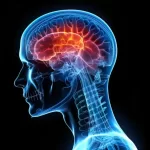
The pressure to succeed in exams like NEET or JEE is often framed as a test of “grit,” but medical research suggests the body treats this high-stakes environment as a chronic physical threat. When a student perceives their entire future as being dependent on a single three-hour window, the brain’s amygdala—the center for emotional processing—triggers a “fight or flight” response.
According to neurobiological studies, this activation floods the system with cortisol and adrenaline. While a brief spike in these hormones can aid alertness, chronic elevation leads to significant cognitive impairment.
“When cortisol levels remain high for months during exam preparation, it begins to ‘off-line’ the prefrontal cortex,” explains Dr. Ananya Rao, a neuropsychiatrist not involved in the recent Kota investigation. “This is the part of the brain responsible for complex problem-solving and working memory. Ironically, the more a student panics about failing, the harder it becomes for their brain to retrieve the very information they spent years memorizing.”
A Competitive Ecosystem: Isolation and Academic Strain
The “Kota Factory” phenomenon—a reference to the city’s status as a coaching mecca—creates a unique set of psychological stressors. Research published in the Academic Journal of Psychological Research (2025) highlights that students in these intensive environments often report:
-
Persistent Sleep Deprivation: Affecting over 70% of surveyed aspirants.
-
Social Withdrawal: The replacement of peer support with peer competition.
-
A “Tense Home Environment”: A term used by researchers to describe the high-pressure atmosphere within student hostels and the heavy weight of parental expectations.
A 2026 study in the Journal of Educational Psychology & Health found that academic stress accounts for a staggering variance in mental health outcomes among teenagers. The study noted that male students and those from lower-income backgrounds—where the exam is seen as the only ticket to financial stability—often experience higher levels of severe anxiety and “emotional burnout.”
Public Health Implications and Institutional Response
The recurring tragedies in coaching hubs have forced a shift in how public health is managed within the education sector. The National Testing Agency (NTA) recently issued a rare public appeal, stating that “no examination outweighs the value of human life.”
Furthermore, the government has integrated the Tele-MANAS helpline, a 24/7 mental health support system, into the NEET admit card instructions. However, many experts argue that reactive measures—like installing anti-suicide devices on ceiling fans—are insufficient.
“We are treating the symptoms, not the disease,” says Dr. Vikram Seth, a public health advocate. “The disease is a systemic lack of resilience training and an over-reliance on a single-point-of-failure exam system. We need structured psychological interventions built into the coaching schedule itself, not just as an emergency hotline.”
Recognizing the Warning Signs
For parents and educators, the challenge lies in distinguishing between “normal” exam nerves and a mental health crisis. Clinical psychologists suggest watching for the “Red Flag Triad”:
-
Biological Disruptions: Changes in appetite and chronic insomnia.
-
Cognitive Distortions: Verbalizing thoughts like “I have no future if I fail” or “I am a burden to my parents.”
-
Behavioral Shifts: Giving away personal belongings or sudden, unexplained calm after a period of intense agitation.
The Path Forward: Sustainable Wellness
As the medical community reviews the aftermath of the May 2nd tragedy, the consensus is shifting toward a “Wellness-First” model of education. This involves:
-
Normalizing Counseling: De-stigmatizing the act of seeking help.
-
Parental Education: Encouraging families to provide “unconditional support” rather than “performance-based affection.”
-
Resilience Training: Teaching students mindfulness and cognitive-behavioral techniques to manage the HPA-axis response during the exam.
While the competitive nature of medical entrance exams is a structural reality in a country with a high population and limited resources, the death of a 20-year-old student reminds us that the cost of entry into the medical profession should not be the life of the aspirant.
Medical Disclaimer: This article is for informational purposes only and should not be considered medical advice. Always consult with qualified healthcare professionals before making any health-related decisions or changes to your treatment plan. The information presented here is based on current research and expert opinions, which may evolve as new evidence emerges.
References
- https://medicaldialogues.in/state-news/rajasthan/kota-tragedy-neet-2026-aspirant-from-uttarakhand-dies-by-suicide-day-before-exam-169902