 0
0
 0
0
NEW DELHI — India’s ongoing struggle over the financial exploitation of junior doctors has taken a frustrating turn for thousands of medical graduates. The National Medical Commission (NMC) confirmed in a Right to Information (RTI) response on July 6, 2026, that it has not yet initiated the formal process to amend the Compulsory Rotating Medical Internship (CRMI) Regulations, 2021. This administrative stagnation guarantees that the stark, highly criticized stipend disparities between government and private medical institutions will persist, keeping a glaring public health and economic vulnerability squarely in the spotlight.
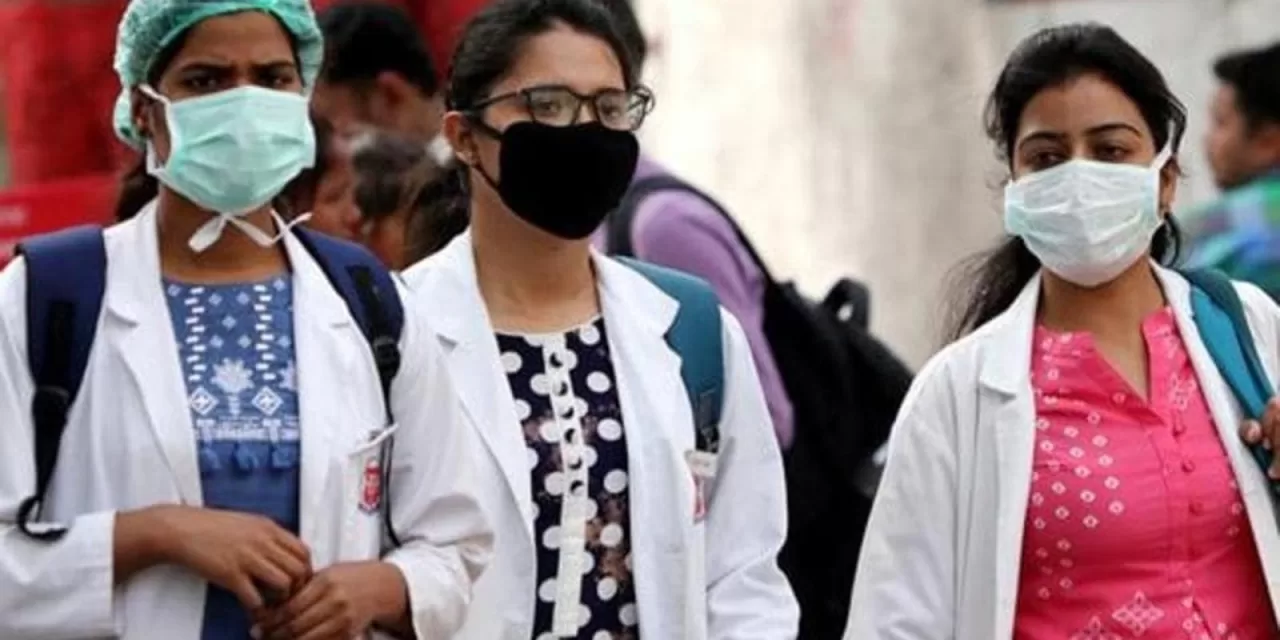
The CRMI is a mandatory, grueling 12-month training period that every MBBS graduate must complete to register as a licensed medical practitioner in India. While these interns serve as the indispensable backbone of teaching hospitals—working long hours under intense pressure—their financial compensation remains entirely dependent on geography and the legal status of their institution.
The Reality on the Ground: A Wide Economic Divide
At the heart of the debate is a gaping financial chasm. According to internal NMC data brought to light during public policy discussions, during a recent evaluation of 555 medical colleges, 60 institutions were found to be paying no stipend whatsoever to their interns. Furthermore, dozens of private medical colleges paid their graduates less than ₹5,000 per month.
In sharp contrast, MBBS interns at central government-run institutions and premier state facilities routinely receive between ₹20,000 and ₹30,000 monthly. This stark divide exists despite the fact that the clinical workload, the hours logged, and the standardized national curriculum are identical for every intern across the country.
| Institution Type | Average Monthly Stipend Range | Compliance Status |
| Central / Government Colleges | ₹20,000 – ₹30,000 | Consistently Paid |
| Private Medical Colleges | Zero to less than ₹5,000 | Widespread Non-Compliance |
This economic disparity creates an intense bottleneck for students from lower-income brackets. Many families exhaust their life savings or take on high-interest loans to fund private medical tuition, only to discover that the final, mandatory year of training offers zero financial return.
Regulatory Ambiguity and Enforcement Failure
The statutory foundation of this crisis rests on the phrasing of the CRMI Regulations, 2021. The rulebook explicitly mandates that all interns must receive a stipend. However, it contains a critical loophole: it dictates that the stipend amount be fixed by the “appropriate authority” applicable to each institution.
Because the “appropriate authority” can translate to a state government, a private university board, or a standalone trust, implementation has been profoundly fragmented.
[CRMI Regulations 2021 Mandate]
             │
             ▼
   "Appropriate Authority"
             │
   ┌─────────┴─────────┐
   ▼                   ▼
[State/Govt]    [Private Boards]
   │                   │
   ▼                   ▼
(Stable Pay)     (Uneven / Zero Pay)
The NMC has previously attempted to address this. In 2025, the commission issued a strict compliance notice reminding private medical colleges that disclosing and paying stipends was a regulatory obligation, warning of severe penalties for non-compliance. Yet, without a centralized minimum floor or a uniform payout mechanism, private entities have largely bypassed these warnings.
Prominent health activist Dr. KV Babu, whose targeted RTI inquiry prompted the NMC’s latest disclosure, has been a vocal critic of this regulatory inertia. Dr. Babu and other medical education observers argue that by delaying the formal amendment process, the apex regulator is failing to protect its most vulnerable stakeholders. The commission’s defense is that altering the CRMI framework requires a lengthy statutory process, including comprehensive consultations with state authorities and institutional management boards—a rationale that offers little comfort to interns currently working 70-hour weeks for no pay.
The Broader Public Health Crisis
This localized struggle over stipends carries profound implications for the broader infrastructure of Indian healthcare.
-
Mental Wellbeing and Burnout: Forcing young physicians into severe debt or absolute family dependence during an elite, high-stress training year severely damages morale. Underpaid interns frequently face severe burnout, which directly compromises patient care.
-
Workforce Inequity: When financial survival dictates medical education paths, the system selectively favors wealthy students. Capable graduates from rural or disadvantaged backgrounds are systematically priced out of the profession.
-
Rural Healthcare Retention: India heavily relies on junior doctors to staff public health frameworks. If the early years of medical practice are defined by financial exploitation, young doctors are far less likely to transition into public service or serve in under-resourced, rural communities.
Structural Counterpoints and Hurdles
While the ethical argument for equal pay for equal work is clear, the economic reality for institutions is highly complex. Private medical college administrations often contend that stipend rates cannot be divorced from institutional finances and state budgets. They argue that sudden, mandated stipend parity could force a sharp hike in undergraduate tuition fees to offset operational costs, shifting the financial burden back onto the students.
Additionally, because public health and medical education are governed by both central and state policies under the Indian Constitution, the central government cannot easily enforce a single financial mandate on state-funded or private provincial institutions without significant legal and bureaucratic friction.
Looking Ahead: A Waiting Game for Junior Doctors
The immediate future for India’s medical interns remains highly uncertain. The NMC has explicitly stated that when the CRMI regulations are eventually updated, stakeholder feedback will be factored into the decision-making process. However, because the commission has not even begun the formal revision process, any structural remedy is likely months, if not years, away.
For current and incoming MBBS students, the immediate takeaway is clear: they must carefully audit the stipend disclosure histories and regional track records of their respective institutions. Until the regulatory framework closes its structural loopholes and establishes absolute enforcement, the stipend gap will remain an unresolved, highly visible inequity at the very foundation of India’s medical training system.
References
-
Medical Dialogues: MBBS intern stipend disparity: NMC yet to begin CRMI amendment process, says stakeholder inputs will be sought during regulation revision. (Published July 6, 2026).
Medical Disclaimer: This article is for informational purposes only and should not be considered medical advice. Always consult with qualified healthcare professionals before making any health-related decisions or changes to your treatment plan. The information presented here is based on current research and expert opinions, which may evolve as new evidence emerges.