 0
0
 0
0
May 8, 2026
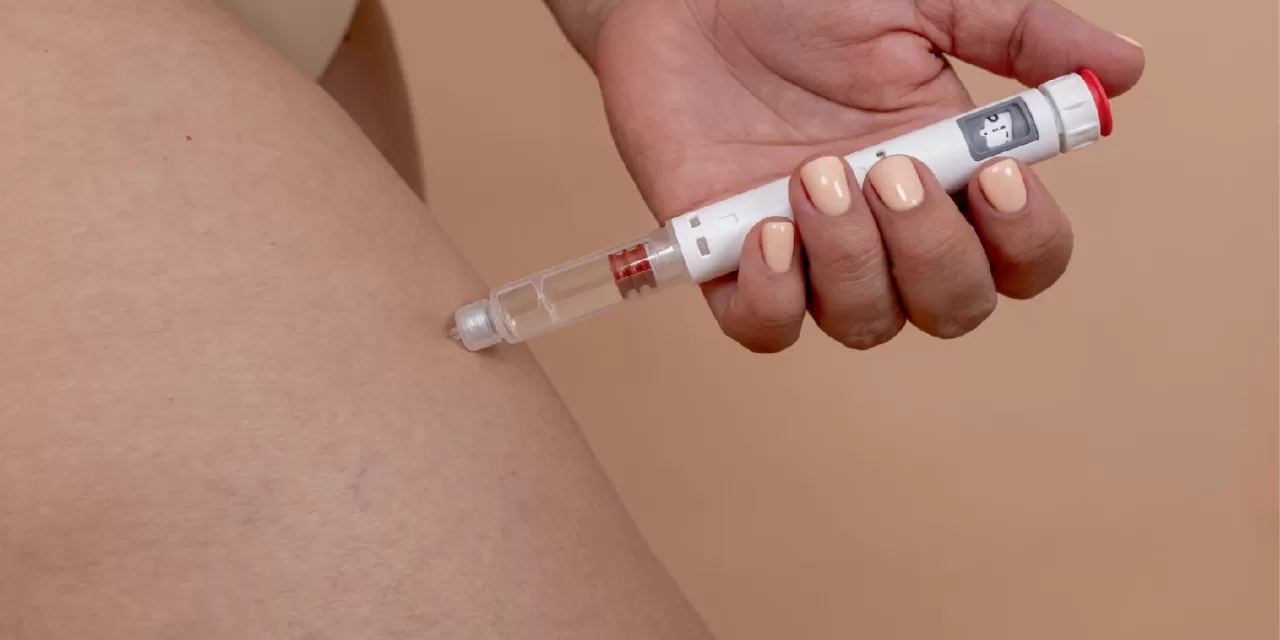
The landscape of metabolic health is undergoing a seismic shift. For the past several years, the “weight-loss revolution” has been defined by refrigerated pens and weekly needles. However, new market signals suggest that the next phase of obesity treatment will be found in the medicine cabinet rather than the fridge.
As of May 2026, pharmaceutical titans Novo Nordisk and Eli Lilly are reporting fresh evidence that oral GLP-1 receptor agonists—pills designed to mimic the effects of blockbuster injections like Wegovy and Zepbound—are poised to significantly broaden the patient pool. This development suggests that the obesity drug market is not just shifting; it is expanding to include a vast demographic of “needle-averse” consumers and those who previously viewed prescription therapy as too invasive for their lifestyle.
Lowering the Barrier to Entry
The primary driver behind the push for oral medication isn’t necessarily superior efficacy, but rather the removal of psychological and practical hurdles. According to reports from Reuters this week, analysts and clinicians are observing a “convenience surge.”
For many patients, the requirement of a self-administered injection serves as a significant barrier. “There is a distinct subset of the population that remains hesitant to start any therapy that involves a needle,” says Dr. Elena Rodriguez, a metabolic specialist not involved in the current pharmaceutical trials. “By offering a daily tablet, we move obesity treatment into the realm of routine primary care, similar to how we manage high blood pressure or cholesterol.”
Market data indicates that oral options are being framed as a “new front” in the GLP-1 race. Rather than replacing injections, which often boast slightly higher weight-loss percentages, pills are expected to capture a different segment of the market: individuals with lower BMIs who are just entering medical treatment, and those who prioritize travel-friendly, shelf-stable options over maximum potency.
What the Clinical Data Tells Us
The race for the “holy grail” of obesity tablets involves two primary contenders: Novo Nordisk’s high-dose oral semaglutide and Eli Lilly’s orforglipron.
-
Oral Semaglutide: Clinical trials have demonstrated that when taken correctly (on an empty stomach with a small sip of water), oral semaglutide can produce weight loss in the “mid-teens”—roughly 13% to 15% of total body weight in selected populations.
-
Orforglipron: Eli Lilly’s non-peptide oral entry has shown substantial weight reduction in late-stage studies. Unlike semaglutide, orforglipron does not have the same strict fasting requirements, potentially offering even greater ease of use.
While these figures are impressive, they generally trail behind the 20% to 22% weight loss seen with the most potent dual-action injections. However, experts argue that the “best” drug is the one a patient is willing to take consistently.
Comparative Look at GLP-1 Formulations
| Feature | Weekly Injections | Daily Oral Pills |
| Average Weight Loss | 15% – 22% | 12% – 15% |
| Administration | Subcutaneous needle | Oral tablet |
| Storage | Often requires refrigeration | Room temperature stable |
| Main Advantage | High potency; once-weekly | Convenience; no needles |
| Main Challenge | Needle phobia; supply chain | Strict dosing windows (some) |
Public Health Implications and WHO Guidance
The shift toward oral medication arrives at a critical juncture for global health. In late 2025, the World Health Organization (WHO) released updated obesity guidelines, acknowledging that GLP-1 medicines may be used for long-term treatment as part of a “comprehensive plan” that includes nutrition and physical activity.
However, the WHO remains cautious. Their recommendation is conditional, citing significant gaps in long-term safety data and the “health-system readiness” of developing nations. The introduction of pills could solve some logistics—such as the “cold chain” requirements for shipping and storing injections—but the WHO warns that cost remains the ultimate gatekeeper of health equity.
Expert Perspectives: Choice Over Competition
Leading medical authorities are increasingly viewing obesity care through the lens of patient preference. The American Diabetes Association (ADA) 2026 guidance continues to favor GLP-1-based medicines for adults with overweight or obesity and type 2 diabetes, noting that the method of delivery should be a shared decision between provider and patient.
Dr. Daniel L. Sheu of Harvard Medical School has argued that these drugs have fundamentally changed the “stigma profile” of obesity. By making treatment as simple as taking a daily vitamin, the medical community is validating obesity as a chronic biological condition rather than a failure of willpower.
“Efficacy is only one part of the equation,” Dr. Sheu noted in a recent Harvard Gazette interview. “Access and acceptability are what determine real-world public health outcomes.”
The Caveats: Side Effects and “Shortcut” Myths
Despite the optimism, the transition to pills is not without its hurdles. Journalists and medical professionals emphasize several key limitations:
-
Gastrointestinal Distress: Like their injectable counterparts, oral GLP-1s can cause nausea, vomiting, and diarrhea. For some, the daily “hit” of a pill may be harder to tolerate than a once-weekly slow-release injection.
-
Absorption Challenges: Oral peptides are notoriously difficult for the body to absorb. Patients must follow strict protocols—such as waiting 30 minutes before eating or drinking—to ensure the drug works.
-
The “Shortcut” Fallacy: Clinicians worry that the ease of a pill might lead patients to neglect the foundational pillars of health: sleep, resistance training to preserve muscle mass, and nutrient-dense diets.
What This Means for You
If you have considered medical weight-loss treatment but were deterred by the thought of injections, the horizon is brightening. The growing competition between Novo Nordisk and Eli Lilly is expected to increase supply and, eventually, offer more pricing tiers.
However, a pill is still a powerful medical intervention. “Readers should understand that this isn’t a ‘lifestyle’ pill,” says Dr. Rodriguez. “It is a metabolic regulator that requires medical supervision, regular blood work, and a long-term commitment to lifestyle changes.”
As we move through 2026, the “menu of options” for obesity care will only grow. Whether delivered via a pen or a pill, the goal remains the same: improving metabolic health and reducing the long-term risks of heart disease, diabetes, and joint pain.
Reference Section
-
Reuters. (2026, May 7). Novo and Lilly gain as signs weight-loss pills could expand market.
- Medical Disclaimer: This article is for informational purposes only and should not be considered medical advice. Always consult with qualified healthcare professionals before making any health-related decisions or changes to your treatment plan. The information presented here is based on current research and expert opinions, which may evolve as new evidence emerges.