 0
0
 0
0
GOMA, Democratic Republic of Congo — In the remote villages of Tshopo province, a whisper began as community gossip before exploding across social media and local radio. The claim was as bizarre as it was terrifying: a mysterious illness was causing men’s genitals to shrink or vanish. While the “illness” was entirely fabricated, the consequences were devastatingly real.
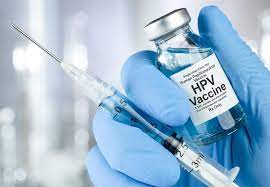
By May 7, 2026, the WHO-backed Africa Infodemic Response Alliance (AIRA) and international reporting confirmed that this wave of misinformation had escalated into targeted violence. Mobs, fueled by panic and distrust, attacked health workers engaged in legitimate vaccination research. The fallout has been grim: at least 17 deaths have been linked to the hysteria, including four health professionals murdered in the line of duty.
This tragedy serves as a stark warning of the “infodemic”—a phenomenon where an overabundance of information, much of it false, undermines public health and leads to real-world casualties.
Anatomy of a Deadly Rumor
The crisis in northeastern Congo did not happen in a vacuum. It followed a classic pattern of “social contagion,” where a sensational claim fills a void of information. According to reports from Reuters, the rumors moved rapidly through churches and marketplaces before being amplified by digital platforms.
In October, the tension reached a breaking point. Four health workers conducting research were intercepted by a mob and killed. Local officials later conducted thorough investigations and confirmed there was no evidence of the rumored physical ailments. However, by the time the facts were established, the damage to the community and the health system was already done.
“In Congo, misinformation really led to death and murder,” said Elodie Ho, director of the Nairobi-based AIRA, in an interview with Reuters. She noted that the rumor’s journey from local hearsay to digital amplification created a feedback loop that made the falsehood appear credible to a frightened public.
The Science of the “Infodemic”
Public health experts define an “infodemic” as a flood of information—including false or misleading content—that occurs during a health crisis. This saturation makes it nearly impossible for individuals to find trustworthy sources and reliable guidance when they need it most.
The danger is backed by sobering data. A 2022 systematic review published in the Journal of Medical Internet Research found that misinformation thrives in “echo chambers” where people only hear views that align with their existing fears. The World Health Organization (WHO) Europe reported that during health crises:
-
Vaccine-related posts contain misinformation up to 51% of the time.
-
General pandemic content can see falsehood rates as high as 60%.
-
COVID-19-related posts carried a 28.8% misinformation rate.
When these statistics move from the screen to the street, they change behavior. People delay seeking care, refuse life-saving vaccines, and, in extreme cases, turn toward violence against the very people trying to help them.
A Surge in Public Anxiety
The scale of the panic in Congo is reflected in the data from the front lines. The WHO-managed health hotline in the region saw a staggering increase in activity:
-
Q1 2025: 3,331 calls
-
Q4 2025: 31,636 calls
This nearly ten-fold increase in call volume highlights a public desperate for clarity but drowning in confusion. Furthermore, a WHO initiative tracking community incidents has recorded approximately 500 reports involving conspiracy theories and false claims since its launch last year.
Why Misinformation Takes Root
Experts suggest that the “genital-shrinking” rumor is a recurring trope in parts of Central and West Africa, often surfacing during periods of high social stress or when new medical initiatives are introduced.
“Misinformation is not just a communications problem; it is a symptom of fragile trust,” explains the AIRA. In regions where access to high-quality healthcare is limited and historical distrust of authorities is high, a dramatic story can act as a catalyst for underlying anxieties. When health literacy is low, the distinction between a scientific study and a viral post becomes dangerously blurred.
Countering the Crisis: The Path Forward
In response to the killings in Tshopo, AIRA has shifted its strategy. The alliance is now focusing on:
-
Community Monitoring: Using local “social listeners” to catch rumors before they go viral.
-
Radio-Based Messaging: Utilizing local languages to reach populations who may not have consistent internet access.
-
Simplifying Science: Translating technical medical jargon into relatable, everyday language.
However, the burden of stopping an infodemic does not rest solely on health organizations. It requires a fundamental shift in how the public consumes and shares information.
What You Can Do: A Practical Guide
To prevent the spread of harmful health rumors, medical professionals suggest a “pause and verify” approach. Treat an unverified health claim the same way you would treat a medicine bottle without a label: do not use it and do not pass it on.
-
Check the Source: Is the information coming from a recognized health authority like the WHO, the CDC, or a reputable hospital?
-
Look for Evidence: Does the claim rely on a single “miracle” story or a dramatic video? Real medical breakthroughs are supported by large-scale, peer-reviewed studies.
-
Verify with Experts: If a claim sounds shocking, cross-reference it with national health ministries or your local physician before sharing it on social media.
The tragedy in Congo proves that in the digital age, a “fake” story can have “fatal” consequences. By practicing digital hygiene, we can protect not only our own health but the safety of those working on the front lines of global medicine.
Reference Section
- https://www.reuters.com/business/media-telecom/fake-rumors-real-killings-inside-congos-deadly-health-misinformation-crisis-2026-05-07/
Medical Disclaimer: This article is for informational purposes only and should not be considered medical advice. Always consult with qualified healthcare professionals before making any health-related decisions or changes to your treatment plan. The information presented here is based on current research and expert opinions, which may evolve as new evidence emerges.