 0
0
 0
0
April 4, 2026
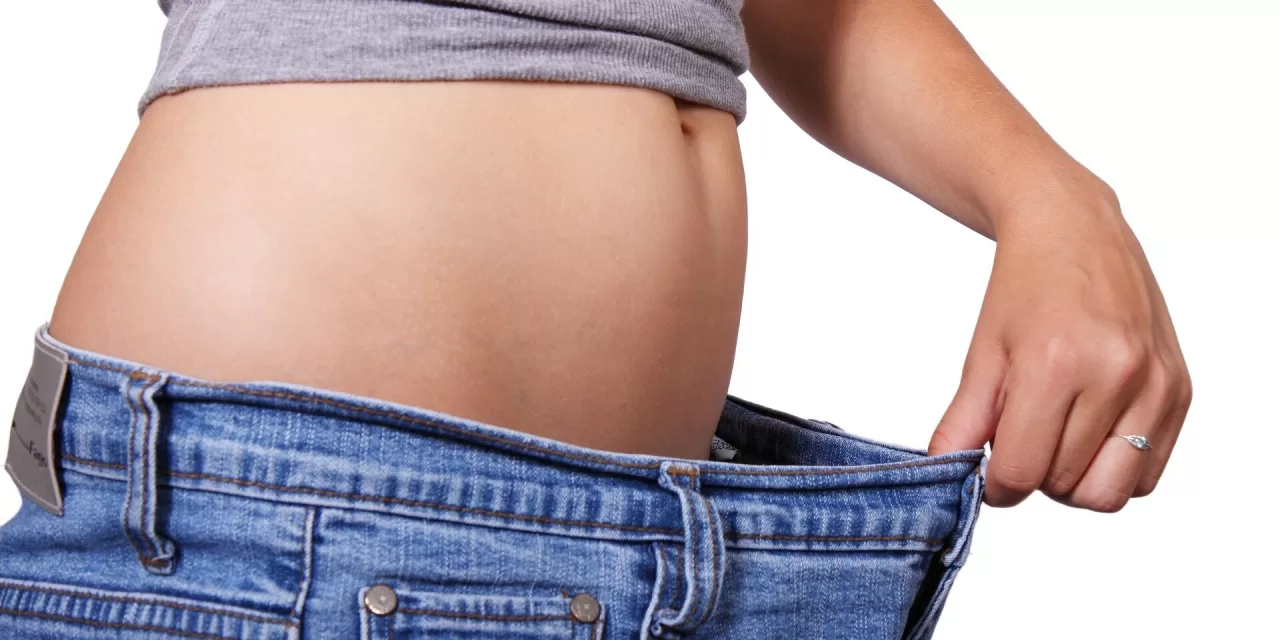
NEW DELHI – As the frantic “wedding season” sweeps across India’s major metropolitan hubs, a new and controversial guest has arrived at the pre-wedding table: tirzepatide. In cities like New Delhi, Mumbai, and Hyderabad, a growing number of brides and grooms are turning to the injectable medication—branded as Mounjaro—to achieve rapid weight loss before their nuptials. While the drug is clinically intended for type 2 diabetes and chronic obesity management, wellness clinics are increasingly bundling these “miracle” injections into “pre-wedding makeover” packages, sparking a heated debate among medical professionals regarding the ethics and safety of cosmetic pharmaceutical use.
The Surge of “Mjaro” Packages
The traditional Indian wedding preparation—once limited to intricate henna, gold shopping, and skincare regimens—has evolved. In affluent urban circles, the pressure to look “picture-perfect” for social media and family expectations has driven a surge in inquiries for Glucagon-like peptide-1 (GLP-1) receptor agonists.
At clinics such as Klarity Skin Clinic in New Delhi, the “Mjaro” package is marketed as a comprehensive solution, combining the drug with guided nutrition and exercise. According to data reported this week, eight doctors in major metros noted a significant spike in inquiries, with over 20% coming from brides-to-be citing tight timelines for their wedding celebrations.
For 26-year-old Aditi, a finance professional in Mumbai, the drug felt like a last resort. After traditional dieting failed to produce results before her February wedding, she turned to tirzepatide. “I needed something that worked fast,” she shared, noting that the boost in confidence outweighed her initial hesitation. Similarly, Akshitha from Hyderabad reported losing 15 kg (33 pounds) to reach a goal weight of 76 kg, credited largely to the injections amidst the chaos of wedding planning.
The Science: How Tirzepatide Works
Mounjaro (tirzepatide), developed by Eli Lilly, represents a breakthrough in metabolic medicine. Approved by India’s Central Drugs Standard Control Organisation (CDSCO) in 2025, it is a dual GIP (glucose-dependent insulinotropic polypeptide) and GLP-1 receptor agonist.
The medication works by mimicking two natural gut hormones:
-
Insulin Secretion: It signals the pancreas to release insulin after eating.
-
Glucagon Regulation: It curbs the liver’s glucose production.
-
Gastric Emptying: It slows the rate at which food leaves the stomach, leading to prolonged satiety.
-
Appetite Suppression: It targets the brain’s hunger centers to reduce cravings.
In clinical trials, tirzepatide has demonstrated a staggering 15-20% reduction in body weight. However, medical authorities emphasize that these results are intended for patients with a Body Mass Index (BMI) of 30 or higher, or 27 with weight-related comorbidities like hypertension.
A Growing Market Amidst Cultural Pressure
The demand for these injections is reflected in the numbers. Sales of Mounjaro in India hit ₹117 crore in February 2026 alone, and the market is projected to reach ₹8,000 crore by 2030.
This pharmaceutical boom intersects with a complex cultural landscape. Data from the Indian Council of Medical Research (ICMR) reveals that one in four married couples in India is now overweight or obese, with those under 30 being hit hardest. In the context of arranged marriages, where physical appearance is often heavily scrutinized, the pressure to conform to thinness ideals can be overwhelming.
“We see many young women coming in because of body-shaming from potential in-laws,” says Priya, a 27-year-old from Bengaluru who switched to Mounjaro after previously trying oral semaglutide. For many, the drug is viewed as a short-term “boost” rather than a lifelong health intervention.
Expert Warnings: A “Quick Fix” with Long-term Risks
Despite the drug’s efficacy, leading endocrinologists are sounding the alarm on “off-label” cosmetic use.
“This should not be treated as a quick solution for a wedding,” warns Dr. Swati Pradhan, founder of Live Light clinic. “We use it sparingly for patients with genuine comorbidities and urge lifestyle changes for sustainability.”
Dr. Goel, a bariatric specialist at Hindivine Healthcare in Delhi, maintains a strict protocol, rejecting requests from individuals who do not meet clinical obesity criteria. “The risks,” adds endocrinologist Dr. Jasmeet Ahluwalia, “far outweigh the benefits for someone who is not medically obese but simply wants to fit into a smaller lehenga.”
Potential Side Effects and Complications
While common side effects include nausea, vomiting, and diarrhea, more severe risks include:
-
Pancreatitis and Gallstones: Inflammation of the pancreas can be life-threatening.
-
Gastroparesis: A condition where the stomach cannot empty itself in a normal way (stomach paralysis).
-
“Mounjaro Face”: Rapid fat loss in the face can lead to sagging skin and a prematurely aged appearance.
-
Rebound Weight Gain: Experts warn that without permanent lifestyle changes, most users regain the weight once the injections stop—a common occurrence post-wedding.
Public Health Implications
The “Mounjaro Bride” trend signals a shift in how Indian society views obesity—treating it increasingly as a cosmetic hurdle rather than a chronic medical condition. While the availability of these drugs could spark necessary conversations about metabolic health, the normalization of off-label use risks straining healthcare resources and promoting “shortcut” culture.
The Indian drug regulator has recently intensified oversight on unauthorized sales and “wellness” clinics that bypass rigorous medical screenings. Public health advocates argue that the focus should remain on balanced diets and sustainable exercise, rather than pharmaceutical interventions for temporary aesthetic goals.
The Bottom Line
For those considering weight-loss injections for a special event, the medical consensus is clear: these are powerful metabolic tools, not lifestyle accessories. While the allure of a “perfect” wedding silhouette is strong, the potential for long-term health complications—and the high likelihood of weight return—suggests that the “Mounjaro Bride” trend may be a risky gamble with one’s health.
References
-
Reuters. (2026, April 3). India’s Mounjaro brides: Weight-loss injections become part of pre-wedding prep.
Medical Disclaimer: This article is for informational purposes only and should not be considered medical advice. Always consult with qualified healthcare professionals before making any health-related decisions or changes to your treatment plan. The information presented here is based on current research and expert opinions, which may evolve as new evidence emerges.