 0
0
 0
0
GENEVA – Emerging medical research is pulling back the curtain on a silent environmental intruder: nanoplastics. Recent studies, including a landmark paper published in July 2025, suggest that these microscopic plastic fragments—each less than 1 micrometer in size—are not merely passing through the human body but are actively accumulating in the liver. Most alarmingly, data indicates these particles may act as a potent “accelerator” for Metabolic Dysfunction-Associated Steatotic Liver Disease (MASLD), a condition formerly known as non-alcoholic fatty liver disease that already affects nearly 40% of the global population.
As plastic production continues to climb, reaching an estimated 400 million tons annually, health authorities and hepatologists are shifting their focus from the environmental impact of plastic waste to its direct biological consequences on human metabolism.
A Catalyst for Metabolic Chaos
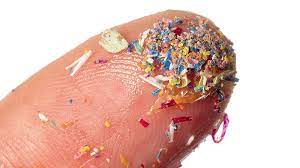
For years, microplastics (particles between 1 micrometer and 5 millimeters) were the primary focus of environmental health. However, nanoplastics—particles so small they are invisible to standard microscopes—pose a unique threat because of their ability to bypass the body’s natural barriers.
A recent study published in PMC (PMC12257899) demonstrated that chronic exposure to polystyrene nanoplastics, common in food packaging and disposable cutlery, significantly worsened liver pathology in subjects already under dietary stress. While subjects on a balanced diet showed minimal immediate damage, those on a high-fat diet—mirroring the “Western diet” prevalent in many modern societies—experienced dramatic escalations in fat buildup, inflammation, and cellular scarring (fibrosis).
The liver, acting as the body’s primary filtration system, becomes a primary “sink” for these particles. Once lodged in liver cells (hepatocytes), nanoplastics appear to trigger a cascade of oxidative stress. Researchers liken the process to “biological rust,” where the particles generate free radicals that damage cell membranes and disrupt lipid metabolism, effectively “greasing the wheels” for liver disease progression.
Mechanisms of Injury: The Cellular “Recycling” Crisis
The damage occurs at a granular, cellular level. According to emerging research, nanoplastics impair a process known as lysosomal exocytosis. This is essentially the cell’s internal waste management and recycling system. When this pathway is blocked by plastic accumulation, the cell cannot clear out toxins effectively.
“The nanoplastics act as a physical and chemical disruptor,” explains Dr. Marcus Chen, a toxicologist at the University of California, Irvine. “They trigger the ‘hedgehog signaling’ pathway—a biological switch that, when stuck in the ‘on’ position, drives the progression of liver scarring or fibrosis.”
Furthermore, the sheer volume of exposure is becoming clearer. Recent data suggests that bottled water can contain up to 240,000 plastic particles per liter. When ingested, these particles translocate from the gut into the bloodstream, where they have a clear path to the hepatic portal vein and, ultimately, the liver.
Expert Perspectives: A Cause for “Prudent Concern”
While the biological plausibility is high, experts urge a balanced interpretation of the current data.
“The liver is designed to filter everything we ingest, so it is no surprise that nanoplastics are targeting it,” says Dr. Elena Ramirez, a hepatologist at Johns Hopkins Medicine. “What is concerning is how these particles amplify metabolic stress. We are seeing a synergy where a poor diet and plastic exposure create a ‘perfect storm’ for the liver.”
However, Dr. Ramirez notes a significant hurdle in the research: “Most of our current evidence comes from animal models or organoids. While these are compelling, we must be cautious about translating high-dose rodent studies directly to human risk without more longitudinal clinical data.”
Public Health and the “Credit Card” Factor
The World Health Organization (WHO) and other environmental agencies have previously estimated that humans may ingest approximately five grams of plastic weekly—roughly the weight of a credit card. While much of this is excreted, the fraction that remains—the nanoplastics—is what keeps researchers awake at night.
In the United States, MASLD rates have climbed to 38%, driven largely by the obesity epidemic. The introduction of a ubiquitous environmental toxin like nanoplastics could explain why some patients develop advanced liver disease despite having fewer traditional risk factors.
| Plastic Type | Common Source | Primary Health Concern |
| Polystyrene | Food containers, foam cups | Inflammation, Lipid disruption |
| Polyethylene | Plastic bags, clear wrap | Oxidative stress, Enzyme elevation |
| Polyvinyl Chloride | Pipes, medical tubing | Linked to hepatic cancers in high doses |
Limitations of Current Research
Journalistic integrity requires acknowledging the gaps in our current understanding. Critics of the recent “plastic-liver” link point to several confounding factors:
-
Dosage: Many laboratory studies use concentrations of nanoplastics higher than what a human typically encounters in a single day.
-
Causation vs. Correlation: It remains unclear if nanoplastics cause liver disease or if a diseased, fatty liver is simply less efficient at clearing particles, leading to higher accumulation.
-
Chemical Additives: It is often difficult to distinguish whether the damage is caused by the plastic “bead” itself or the chemical additives (like phthalates or BPA) that leach from the plastic.
Practical Steps for Consumers
Despite the need for more human-centric research, the “precautionary principle” suggests that reducing exposure is a logical health move. Experts recommend several “low-hanging fruit” changes for health-conscious individuals:
-
Ditch the Plastic Water Bottle: Transition to glass or stainless steel.
-
Heat with Care: Never microwave food in plastic containers, as heat accelerates the leaching of both chemicals and micro-fragments.
-
Filtration: Use high-quality water filtration systems that are certified to remove particles at the sub-micrometer level.
-
Dietary Defense: Maintain a diet high in antioxidants (the Mediterranean diet is often cited) to help the body combat the oxidative stress triggered by environmental pollutants.
As the global medical community continues to investigate, the message is clear: our plastic-saturated environment is no longer just an ecological issue—it is a physiological one. Protecting the liver may now require looking beyond what we eat and drink, to the very containers we use to hold them.
Medical Disclaimer: This article is for informational purposes only and should not be considered medical advice. Always consult with qualified healthcare professionals before making any health-related decisions or changes to your treatment plan. The information presented here is based on current research and expert opinions, which may evolve as new evidence emerges.
References
- https://morungexpress.com/plastic-particles-may-trigger-liver-disease-risk-researchers