 0
0
 0
0
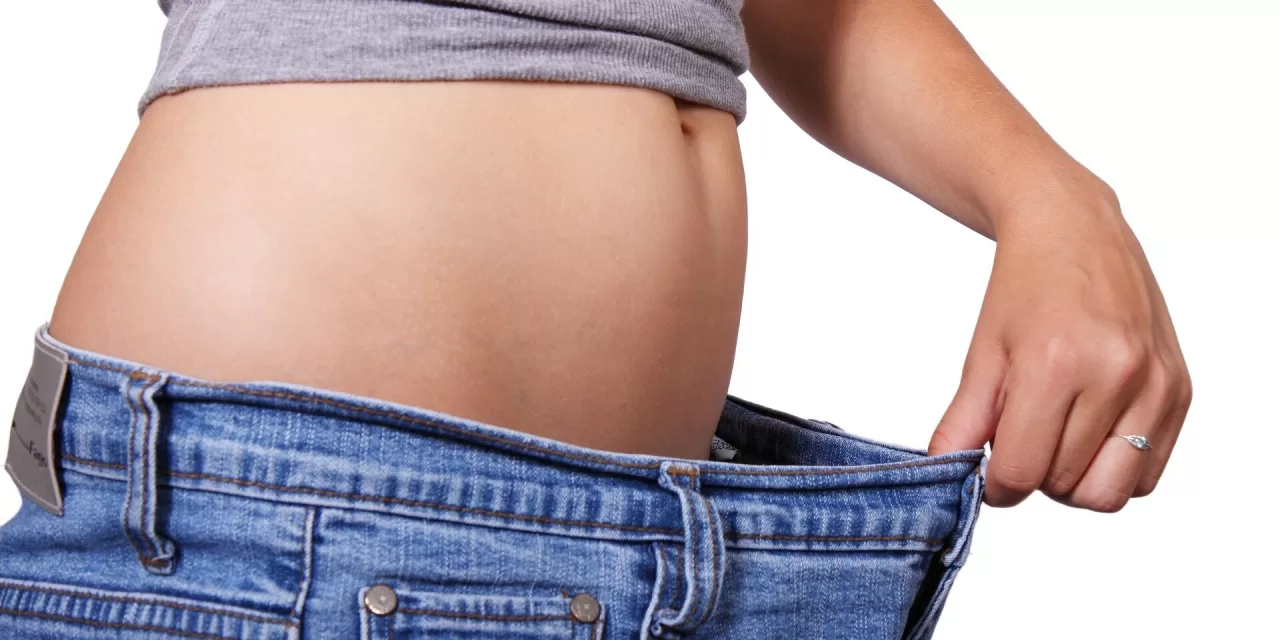
NEW DELHI — As India faces a burgeoning obesity epidemic, a parallel “weight-loss craze” is sweeping the nation. From the surge in GLP-1 receptor agonists (often referred to as “weight-loss jabs”) to aggressive calorie-restricted “crash” diets, millions of Indians are seeing the numbers on the scale drop faster than ever before. However, leading orthopaedic specialists and metabolic researchers are now issuing a critical warning: this rapid weight loss may be costing the body its most vital asset—skeletal muscle. While the goal is to shed fat, improper slimming techniques are leading to “sarcopenic obesity,” a condition where an individual remains over-fat but becomes dangerously under-muscled, increasing the risk of joint injury, metabolic decline, and long-term frailty.
The Hidden Depletion: More Than Just Fat
The allure of rapid transformation has led many to bypass medical supervision. According to a recent report by ETHealthWorld, orthopaedic surgeons in major Indian metros are seeing a rise in patients who, despite being lighter, complain of unprecedented fatigue, joint pain, and physical weakness.
The physiological concern is rooted in how the body prioritizes energy. When calories are severely restricted or when weight-loss medications suppress appetite without a structured protein and exercise plan, the body does not only burn stored adipose tissue (fat). It also breaks down muscle protein to meet its metabolic needs.
“When you lose weight, you want ‘high-quality’ weight loss,” explains Dr. Aris Bikou, a researcher involved in pharmacological studies of weight loss. “That means losing fat while keeping the muscle that moves you, protects your bones, and regulates your blood sugar.”
What the Research Reveals
The concern is backed by global clinical data. A 2024 systematic review published in Expert Opinion on Pharmacotherapy analyzed studies involving over 1,500 adults using semaglutide. The researchers found that while weight loss was primarily from fat, lean mass (muscle) reductions accounted for anywhere from 0% to as much as 40% of the total weight lost in certain trials.
Furthermore, a landmark review in The Lancet Diabetes & Endocrinology (2024) noted that while GLP-1 drugs are revolutionary for metabolic health, the clinical significance of this muscle loss is still being unraveled. The primary worry is that for older adults or those with sedentary lifestyles, losing 20-30% of their weight as muscle could accelerate the onset of sarcopenia—the age-related loss of muscle mass and strength.
Why Muscle is a Public Health Necessity
In the Indian context, the “thin-fat” phenotype (normal BMI but high body fat percentage) is already a prevalent metabolic challenge. Muscle is not merely an aesthetic goal; it is a functional organ system.
-
Joint Protection: Muscles act as shock absorbers. When quadriceps and glutes weaken, the force of every step is transferred directly to the knee and hip joints, accelerating osteoarthritis.
-
Metabolic Engine: Muscle is the primary site for glucose disposal. Losing muscle can actually make it harder to maintain weight loss long-term because the body’s resting metabolic rate drops.
-
Postural Support: Weak core and back muscles lead to poor posture, chronic back pain, and a higher risk of falls in the elderly.
The “Quality” Over “Quantity” Approach
Health experts emphasize that the goal should not be the fastest weight loss, but the most sustainable. A 2017 review in Advances in Nutrition concluded that while calorie restriction inherently risks muscle loss, two “shields” can prevent it: resistance exercise and high protein intake.
“The scale is a blunt instrument,” says the ETHealthWorld report. It cannot distinguish between the fat you want to lose and the muscle you need to keep. Experts suggest that for every kilogram lost, a person should aim to keep the “muscle tax” as low as possible through specific lifestyle interventions.
Practical Steps for “High-Quality” Weight Loss:
-
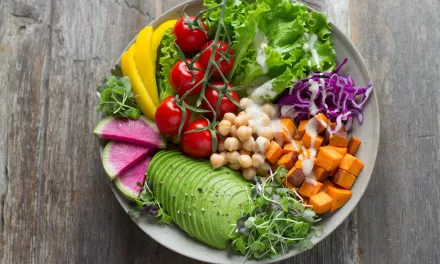
Prioritize Protein: Aim for adequate protein at every meal (e.g., lentils, paneer, lean meats, or sprouts) to provide the building blocks for muscle repair.
-
Lift Weights: Incorporate resistance training—using body weight, resistance bands, or free weights—at least two to three times a week.
-
Slow the Pace: Aim for a steady loss of 0.5 to 1 kg per week rather than drastic drops, which are more likely to cannibalize muscle.
-
Medical Oversight: If using anti-obesity medications, ensure a physician is monitoring your body composition, not just your BMI.
Limitations and Counterarguments
It is important to note that some loss of lean mass is expected and even healthy. As a person becomes smaller, their body requires less muscle to move a lighter frame. Some researchers argue that as long as physical function (strength and mobility) improves, a decrease in total muscle volume may not be clinically harmful.
Furthermore, the benefits of losing visceral fat (the dangerous fat around organs) often far outweigh the risks of modest muscle loss, particularly in preventing Type 2 diabetes and cardiovascular disease. The consensus among the medical community is not to discourage weight loss, but to refine the method of achieving it.
The Path Forward
As India continues to navigate its public health transition, the focus must shift from “getting thin” to “getting fit.” For the millions of Indians embarking on weight-loss journeys this year, the message from the medical community is clear: Don’t just watch the scale—watch your strength.
Reference Section
-
ETHealthWorld. “India’s Weight-Loss Craze May Be Depleting Muscle, Not Fat.” Published April 16, 2026.
Medical Disclaimer: This article is for informational purposes only and should not be considered medical advice. Always consult with qualified healthcare professionals before making any health-related decisions or changes to your treatment plan. The information presented here is based on current research and expert opinions, which may evolve as new evidence emerges.