 0
0
 0
0
April 5, 2026
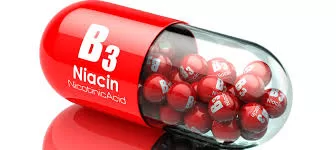
In the multi-billion-dollar world of longevity science, few compounds have enjoyed as much “miracle” status as Vitamin B3 derivatives. Marketed as the ultimate cellular recharge, supplements like NMN and NR promise to slow the clock on aging and revitalize flagging energy levels. However, a sobering new study from Case Western Reserve University suggests that for those battling one of the world’s most aggressive cancers, these “fountains of youth” may actually be providing a lifeline to the enemy.
Research published on March 31, 2026, in the journal Cancer Letters reveals that Vitamin B3 derivatives—specifically NAD+ precursors—can inadvertently shield pancreatic cancer cells from the very chemotherapy designed to destroy them. The findings have sent ripples through the oncology community, prompting urgent calls for patients to reassess their supplement regimens during active treatment.
A Shield for the Enemy
At the heart of this discovery is a molecule called Nicotinamide Adenine Dinucleotide (NAD+). It is a vital coenzyme found in every living cell, responsible for DNA repair, energy production, and maintaining cellular health. As we age, our natural levels of NAD+ decline, which is why millions of healthy consumers turn to precursors like nicotinamide mononucleotide (NMN), nicotinamide riboside (NR), and nicotinamide (NAM) to “top up” their cellular fuel.
But cancer cells, particularly those in the pancreas, are notorious “metabolic scavengers.” They don’t just use fuel; they hijack it.
Researchers led by Jordan Winter, MD, a professor at Case Western Reserve School of Medicine and co-leader at the Case Comprehensive Cancer Center, found that when pancreatic tumors are exposed to extra NAD+ via supplements, they become significantly more resilient. In both laboratory cultures and mouse models, NMN acted as a biological shield, protecting tumors from standard chemotherapy agents such as gemcitabine, oxaliplatin, and 5-fluorouracil.
“Our findings highlight a potentially concerning role for NAD+-boosting supplements in the context of an active cancer,” says Dr. Winter. “This research is a critical reminder that ‘natural’ doesn’t always mean safe, especially in the complex biology of cancer treatment.”
The Mechanism of Resistance
To understand how a vitamin could thwart chemotherapy, one must look at how cancer dies. Many chemotherapy drugs work by creating “oxidative stress”—essentially a chemical storm that breaks down the cancer cell’s DNA until it can no longer function and dies.
The Case Western study found that the extra NAD+ provided by B3 supplements allows cancer cells to:
-
Repair DNA rapidly: The tumor uses the extra energy to fix the “breaches” caused by chemo.
-
Neutralize oxidative stress: The supplements boost the cell’s internal antioxidant defenses.
-
Maintain metabolism: Even under the pressure of toxic drugs, the cancer cells keep their “engines” running.
“Cancer cells are metabolic chameleons,” explains Dr. Chi Van Dang, Director of the Abramson Cancer Center at Penn Medicine, who has studied metabolic therapies. “Feeding them universal fuels like NAD+ precursors risks unintended consequences during cytotoxic therapy.”
Context and Controversy: The “B3 Paradox”
The news is particularly jarring because Vitamin B3 has long been hailed for its cancer-preventative properties in other areas. For example, previous research published in the New England Journal of Medicine demonstrated that nicotinamide could reduce the risk of non-melanoma skin cancers by up to 23% in high-risk patients. Similarly, researchers at the University of Calgary are currently investigating whether high-dose niacin might actually help the immune system fight glioblastoma, a deadly brain cancer.
This creates what experts call a “context-dependent” reality. What helps prevent a cell from turning cancerous in a healthy person may be the very thing that helps an established tumor survive a medical assault.
“Elevating NAD+ in tumors could indeed fuel resistance pathways we’ve seen in preclinical models,” notes Dr. Anirban Maitra, a pancreatic cancer researcher at MD Anderson Cancer Center. “It is a double-edged sword.”
Public Health Stakes
The implications are staggering given the prevalence of pancreatic cancer. According to the American Cancer Society, approximately 64,000 Americans are diagnosed annually. Because it is often caught late, the five-year survival rate remains a sobering 13%. When chemotherapy—one of the few tools doctors have—is rendered less effective by over-the-counter vitamins, those odds could slip even further.
The global supplement market is projected to reach $59 billion by 2027. Many cancer patients take supplements like NMN or NR specifically to combat the crushing fatigue associated with chemotherapy, unaware that they might be compromising their primary treatment.
Limitations of the Research
While the findings are compelling, the scientific community emphasizes caution before declaring Vitamin B3 an absolute “foe” in all cancer cases.
-
Preclinical Status: The Case Western study was conducted in lab settings and animal models. While these models are highly predictive, human metabolism is more complex, and clinical trials are needed to confirm these effects in patients.
-
No Link to Initiation: There is currently no evidence suggesting that B3 supplements cause cancer to start in healthy individuals. The concern is strictly limited to the interference with treatment in those who already have a diagnosis.
Practical Guidance for Patients and Consumers
For the general public, the advice remains relatively unchanged: if you are healthy, moderate use of NAD+ boosters for longevity is supported by current safety data. However, for those navigating a cancer journey, the stakes are different.
For Cancer Patients:
-
Full Disclosure: Provide your oncologist with a complete list of every vitamin, herb, and “natural” supplement you take.
-
The “Chemo Holiday”: Many experts now recommend pausing NAD+ precursors (NMN, NR, NAM) during the active weeks of chemotherapy.
-
Natural Alternatives: Research suggests that lifestyle factors like moderate exercise can boost NAD+ levels naturally without the high-concentration “spike” provided by synthetic supplements.
For Healthcare Providers:
-
Screening: Oncologists should integrate supplement history into every patient care plan, treating them with the same scrutiny as potential drug-to-drug interactions.
As we move toward an era of “precision nutrition,” this study serves as a vital checkpoint. It reminds us that in the delicate balance of human biology, there is no such thing as a “one-size-fits-all” miracle.
Reference Section
- https://scitechdaily.com/popular-vitamin-b3-supplements-may-help-cancer-cells-survive-scientists-warn/
Medical Disclaimer: This article is for informational purposes only and should not be considered medical advice. Always consult with qualified healthcare professionals before making any health-related decisions or changes to your treatment plan. The information presented here is based on current research and expert opinions, which may evolve as new evidence emerges.