 0
0
 0
0
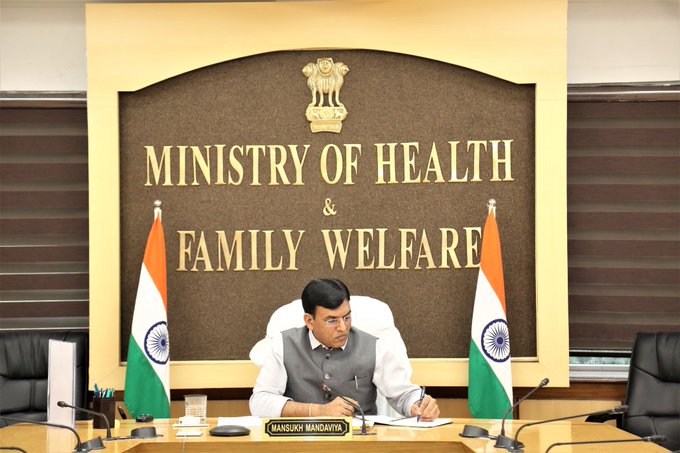
BENGALURU, May 17, 2026 — In a pioneering move to modernise healthcare training, the Karnataka government is preparing to roll out India’s first comprehensive, state-level guidelines for integrating artificial intelligence (AI) into medical education. Drafted by the Department of Medical Education under Additional Chief Secretary Mohammed Mohsin, the upcoming framework establishes a formal protocol and Standard Operating Procedures (SOPs) to standardise how AI tools are adopted across affiliated medical colleges and universities. The initiative aims to harness the power of cutting-edge technology in teaching, assessment, and clinical training while stringently safeguarding academic integrity and patient safety.
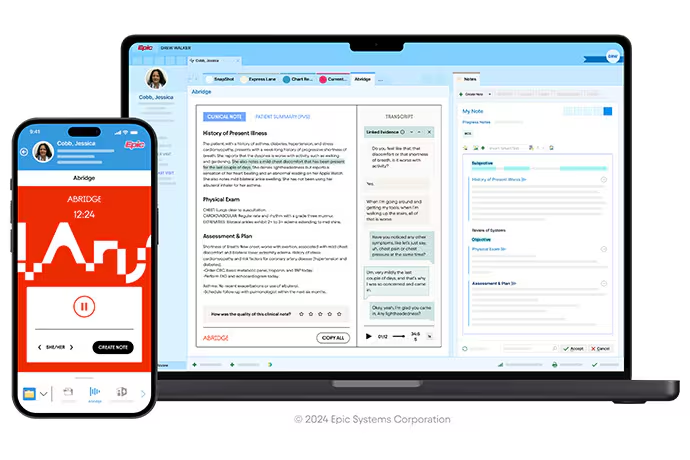
The landmark policy comes at a critical juncture. Large language models (LLMs), AI-driven chatbots, and advanced simulation platforms are already becoming staples among medical students for exam preparation, clinical-case generation, and informal tutoring. However, this rapid, unregulated adoption has sparked growing concerns among educators regarding plagiarism, “automation bias,” and the risk of diagnostic inaccuracies. Karnataka’s new framework seeks to draw a clear line between productive, permissible use-cases—such as adaptive learning modules and virtual patient simulations—and high-risk practices that compromise critical thinking or expose real patient data.
The Three Pillars: Ethical, Pedagogical, and Technical Safeguards
According to early planning reports, Karnataka’s guidelines will rest upon a triad of core principles designed to balance innovation with responsibility:
1. Ethical Use and Critical Thinking
The ethical pillar ensures that AI tools act strictly as supplements, never replacing core clinical reasoning or bedside human empathy. The guidelines mandate absolute transparency, requiring both students and faculty to provide clear attribution whenever AI-generated content is utilized.
2. Pedagogical Integration
Rather than banning AI, the state plans to channel it into verified, high-value educational avenues, including:
-
Personalised Learning Dashboards: Platforms that automatically adapt to a student’s individual performance, flagging weak spots in complex subjects like anatomy, pathology, or pharmacology to serve targeted quizzes.
-
Advanced Clinical Simulations: AI-enhanced virtual patients that mimic rare or highly complex clinical scenarios, allowing students to practice diagnostic skills in low-stakes environments before entering rotations in radiology or surgery.
-
Automated Feedback: Systems that evaluate short-answer or case-based responses, providing immediate, structured critiques to help students refine their written medical communication.
3. Technical Governance and the Mysuru Hub
To ensure these tools are safe and effective before they reach the classroom, the state is establishing a dedicated AI Innovation Centre at the Rajiv Gandhi University of Health Sciences (RGUHS) campus in Bhimanakuppe, Mysuru. Functioning similarly to experimental “AI-in-education” labs in high-income nations, this centre will serve as a centralized hub to test, validate, and scale AI software before statewide deployment.
Why Medicine Demands Rigid Rules
Medical training worldwide is undergoing a quiet but disruptive technological transformation. A 2025 scoping review evaluating AI in medical education confirmed that while AI applications successfully support surgical-skills assessments and interactive learning, robust data on how these tools affect long-term clinical competence remains sparse.
Furthermore, a narrative systematic review published in BMC Medical Education warned that unregulated AI adoption can foster “automation bias”—a psychological phenomenon where human learners blindly defer to algorithmic suggestions. If a student habituates to trusting an AI without cross-checking traditional medical literature, patient safety could be compromised once they transition into real-world practice.
Karnataka’s proactive framework directly echoes global red flags raised by major health bodies. The World Health Organization (WHO) has repeatedly urged international governments to ensure health-related AI is safe, explainable, transparent, and equity-centered. By instituting rigid SOPs, Karnataka is creating a regional blueprint tailored directly to India’s expansive public medical education ecosystem.
Voices from the Frontlines: Opportunities and Equity Concerns
While medical educators largely welcome the standardization, many urge a measured approach.
“AI can be a powerful tutor, but it must never become a substitute for bedside teaching or faculty mentorship,” notes Dr. Sunita Kavle, a professor of medical education at a major government medical college in Karnataka, who is not involved in drafting the guidelines. “We need rules that clearly state: ‘Use AI for practice questions, feedback, and basic knowledge reinforcement, but every clinical decision must be anchored in evidence-based guidelines and supervised faculty discussion.'”
Dr. Kavle also raised vital questions regarding digital equity—a challenge that aligns closely with WHO’s warnings against widening technological gaps in healthcare.
“If top-tier institutions in Bengaluru have advanced AI tutors while rural-campus students struggle with basic internet connectivity, we risk creating a two-tier system within the state,” Dr. Kavle warned.
Other educators highlight that guidelines are desperately needed to clear up academic gray zones. Currently, institutional policies on AI vary wildly. While some professors accept AI-assisted study notes if properly cited, others classify any chatbot use as academic dishonesty. A unified state policy will provide students and faculty with a clear, fair standard for plagiarism and attribution.
Weighing the Risks: Hallucinations and Data Privacy
Despite the clear efficiencies—such as freeing up faculty time by automating multiple-choice grading—experts emphasize that several technical hurdles remain unresolved:
-
Medical “Hallucinations”: Standard commercial LLMs are notorious for confidently fabricating medical facts, misinterpreting rare diseases, or missing subtle, dangerous drug-to-drug interactions. Without rigorous validation via the Mysuru hub, students risk absorbing incorrect clinical information as fact.
-
Skill Erosion: If students rely on automated systems to summarize cases or generate differential diagnoses, their own foundational reasoning skills may atrophy over time.
-
Data Security: It remains unclear how strictly the upcoming guidelines will govern data privacy. If educational tools utilize or mirror anonymized real-patient data for simulations, strict data-handling protocols will be mandatory to comply with India’s evolving digital privacy laws.
The state must also avoid over-bureaucratization. If the rules are excessively rigid, they may stifle institutional innovation, accidentally driving students and faculty toward unmonitored, commercial consumer chatbots outside the official university ecosystem.
What This Means for Students and the Public
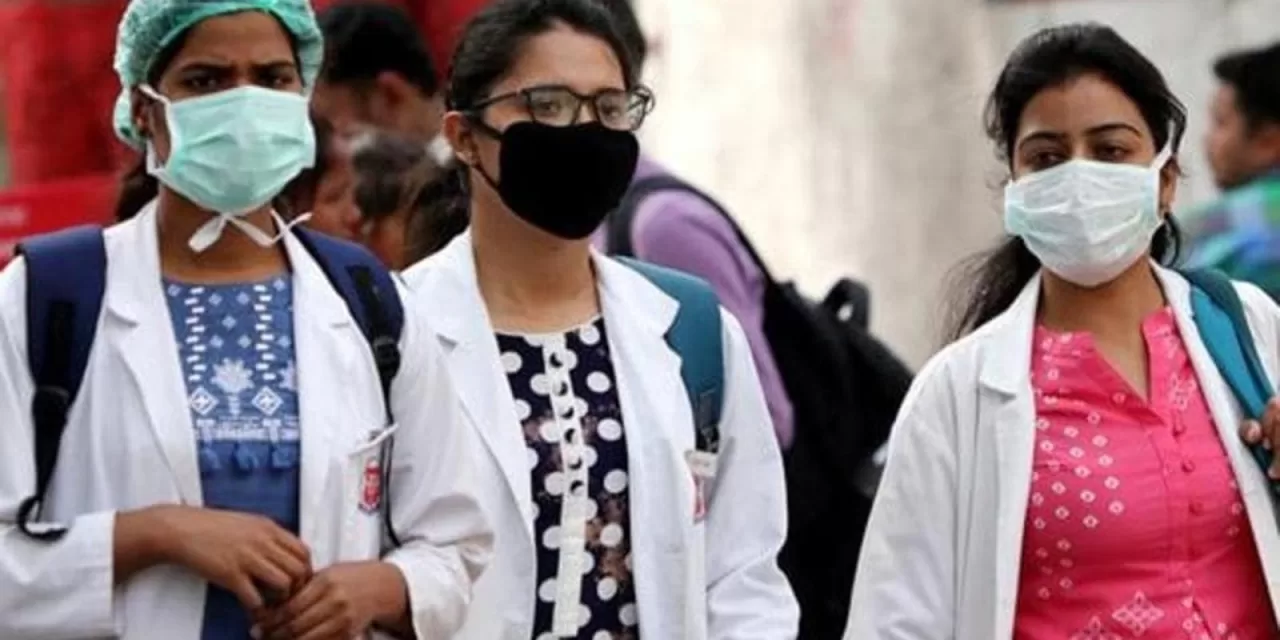
For current and prospective medical students in Karnataka, these guidelines will soon translate into structured, university-approved AI tools, clearer boundaries for exam preparation, and a brand-new emphasis on the critical appraisal of AI outputs. Future doctors will be explicitly trained to verify algorithmic answers against standard medical textbooks and peer-reviewed literature.
For health-conscious consumers and parents, Karnataka’s initiative offers reassurance that the medical system is actively preparing the next generation of physicians for an AI-augmented clinical workplace rather than ignoring technological shifts. Ultimately, however, the policy reinforces a fundamental healthcare truth: while an AI may assist a doctor behind the scenes, it will never replace the essential human oversight, empathy, and judgment required at the patient’s bedside.
References
-
Government & News Reports:
-
The Economic Times / IndiaTimes: “Karnataka to release AI guidelines for medical education” (May 2026).
-
Medical Disclaimer: This article is for informational purposes only and should not be considered medical advice. Always consult with qualified healthcare professionals before making any health-related decisions or changes to your treatment plan. The information presented here is based on current research and expert opinions, which may evolve as new evidence emerges.